
By David Dodge, GreenEnergyFutures.ca
The core tenet of Michael Liebreich’s Pragmatic Climate Reset is to stop saying we want to ban fossil fuels tomorrow and get to 100% renewable energy the same day.
What if by using something called flexible gas we could get 95% of the way to net-zero, save trillions of dollars, and radically reduce emissions?
That’s what can happen when we substitute idealism for pragmatism.

Wärtsilä is a Finnish company with 7 billion in sales that works on decarbonization in the energy and marine sectors. And it just so happens Wärtsilä offers a gas-fired engine power plant that can integrate vast amounts of renewable energy very affordably.
We ran across this idea in our interview with Michael Liebreich about his call for a Pragmatic Climate Reset.
Wärtsilä developed two scenarios for getting to net zero on the grid in a report entitled Crossroads to Net Zero.
“It’s a crossroads to net zero where we are comparing two different alternatives,” says Anders Lindberg who is in charge of Wärtsilä’s global energy business.
“One without pragmatism where you go all in on renewables and battery storage and you do the whole energy transition with that alternative,” he says.
“The second alternative is that you do renewables, battery storage, but you add flexible dispatchable gas to support the renewables introduction,” says Lindberg.
We could get to net-zero by overbuilding renewables and adding a great deal of energy storage. But by introducing what Wärtsilä calls “flexible gas engines,” you can get 90 to 95% of the way to net-zero and save $65 trillion on the energy transition.
“The other thing that we see is that you waste 88% less energy due to curtailments,” says Lindberg. Curtailment happens when you are producing too much electricity from renewables and you have no need for it.
Instead of overbuilding renewables you add flexible gas generation to cover periods when the sun doesn’t shine or the wind doesn’t blow.
How is this different from gas-generating plants?
What we see a lot of today are jurisdictions replacing coal plants with large, combined cycle gas-generating plants that are not flexible and are designed to be run all the time. This locks the grid into gas for the life of the plants and all the emissions associated with it. And large conventional gas plants do not play nice with renewable energy.
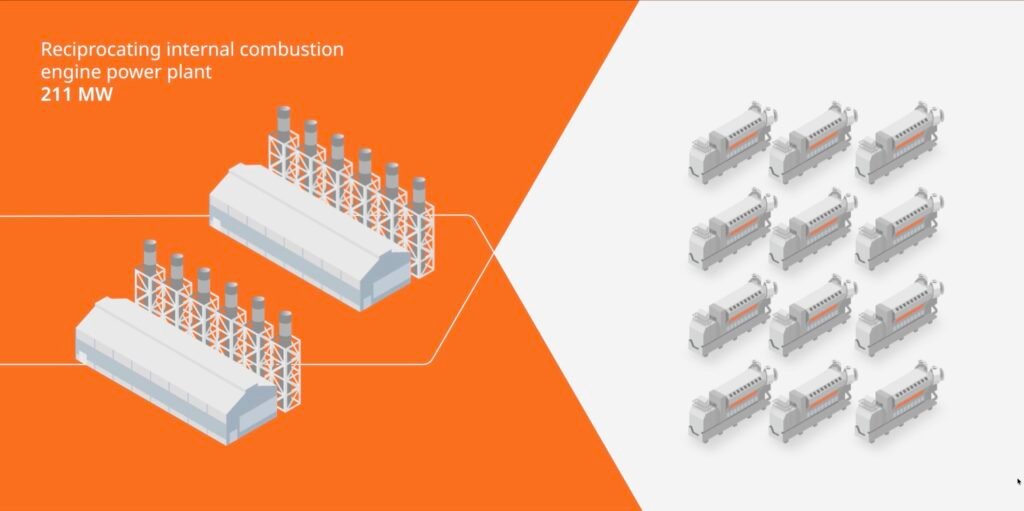
Flexible gas engines such as the ones Wärtsilä makes respond quickly and can be run without generating electricity if all you need is grid services such as inertia and frequency management. Renewables do not provide these services necessary to keep the grid operating smoothly.
The job of flexible gas is to facilitate the largest amount of renewable energy possible, while keeping the grid operating smoothly.
So how can flexible gas help?
“We did a study in Chile, and Chile is a country which has actually been very successful in introducing renewables,” says Lindberg.
“But what still remains besides the renewables are a lot of coal power plants, and they are inflexible, so they actually had a blackout last year,” he says.
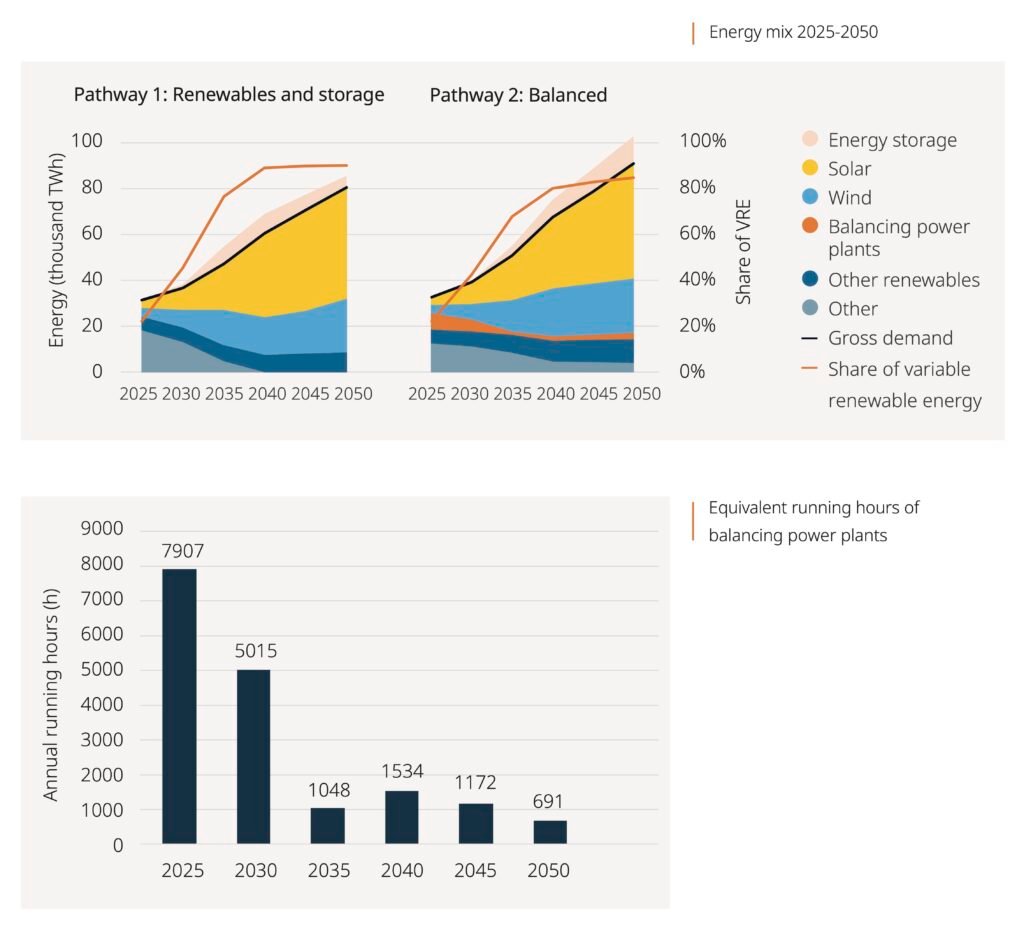
In the study, they replaced coal generation, which was producing 30% of electricity on the grid, with flexible gas. But it turns out you would only need to replace the coal with 12% flexible gas and even more renewables.
Here’s where the flexibility really shines
Even though you might need enough flexible gas capacity to cover 12% of electricity production at times, on average, they only needed to use the flexible gas 4% of the time in this example.
“And we saw that in 2035, you would actually be 96% carbon-free, and only 4% of the energy would come from gas fuel,” says Lindberg.
The moral of the story is you have replaced 30% coal production with just 4% gas production and you have eliminated the vast majority of emissions all while saving a lot of money.
If you want to get to net zero when 2035 rolls around, it’s likely there will be better, cheaper technologies for eliminating the last 5% of emissions. Or you could use renewable fuels for the gas plants.
These numbers will vary by jurisdiction depending on local conditions. You may need more flexible gas in some jurisdictions that experience the so-called Dunkelflaute or winter doldrums where there is less sun and no wind.
And to maximize the efficiency of the system, you would also still use battery energy storage to shift the use of renewable energy around for short periods of time.
A strategy like this could reduce emissions even faster
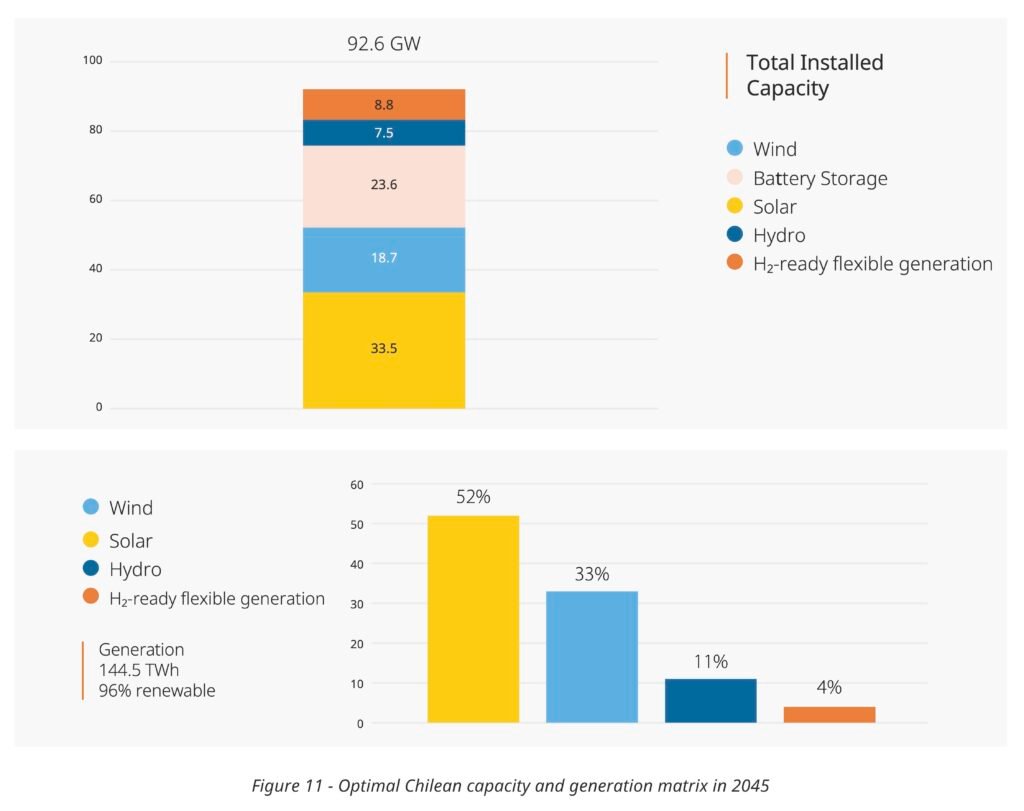
“We could actually see where we’re going to be reduced faster if you add the flexible thermal power, because you could then introduce the renewables faster than you could do otherwise,” says Lindberg.
In a comparison in Texas, Wärtsilä found they could replace two gas turbine power plants with their gas engine power plants, and the owners would make more money thanks to the flexibility.
Being able to ramp up quickly can produce extremely valuable electricity.
All this goes to show that being more pragmatic can achieve better, faster results for the energy transition and save a great deal of money.
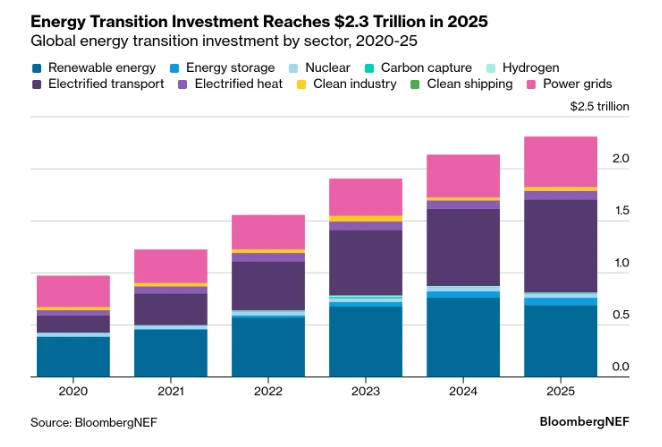
So how is the energy transition doing?
“We see that 32% of all global electricity generation is being generated by renewables, but it’s not fast enough,” says Lindberg.
It’s still too slow, he says, adding we need to triple renewables before 2030, and renewables are the cheapest form of energy production.
There is still much work to do to bring grids up to speed in terms of technical, policy, and regulatory reform to meet the new realities of a rapidly developing decentralized energy system.
And transmission needs to be expanded to accommodate more decentralized energy, but there are faster, more affordable ways to significantly add a lot more cheap renewable energy to the mix if we are pragmatic about it.
