
By David Dodge, GreenEnergyFutures.ca
By the end of November 2025, Alberta had 41,505 small solar installations, after 10,000 systems were added in the last year alone.
Growth in rooftop solar is a quiet revolution that is changing the way homeowners get their electricity, and SolarTech, a US-based solar company, wanted to find out why people are going solar. So they did a survey.
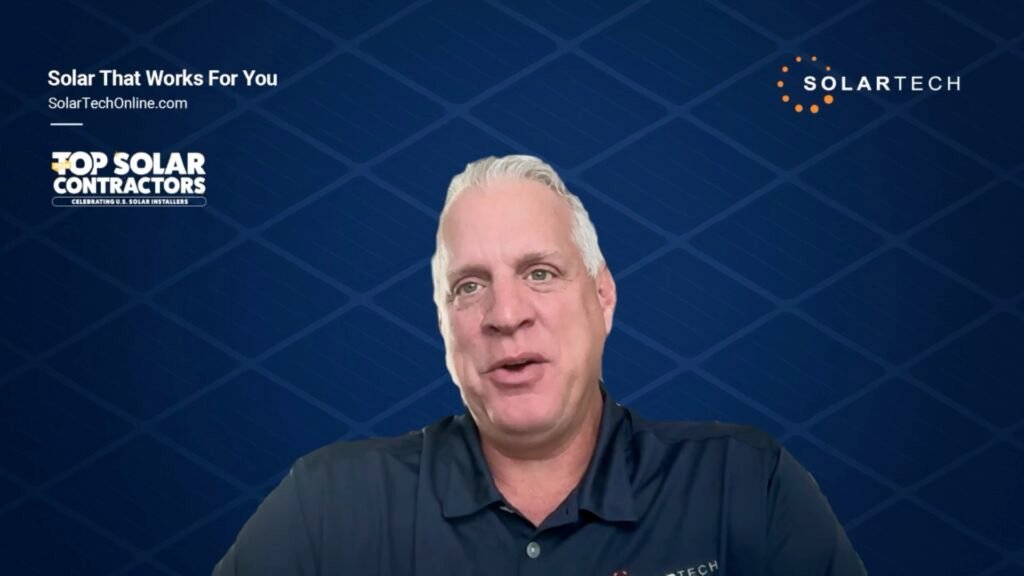
“The results are actually pretty eye-opening, not surprising, but I think that they’re pretty good,” says Nick Hofer, Chief Strategy Officer of SolarTech.
“Seventy percent of the homeowners that we surveyed either already have solar installed on their homes or are actively looking to install solar on their homes,” says Hofer.
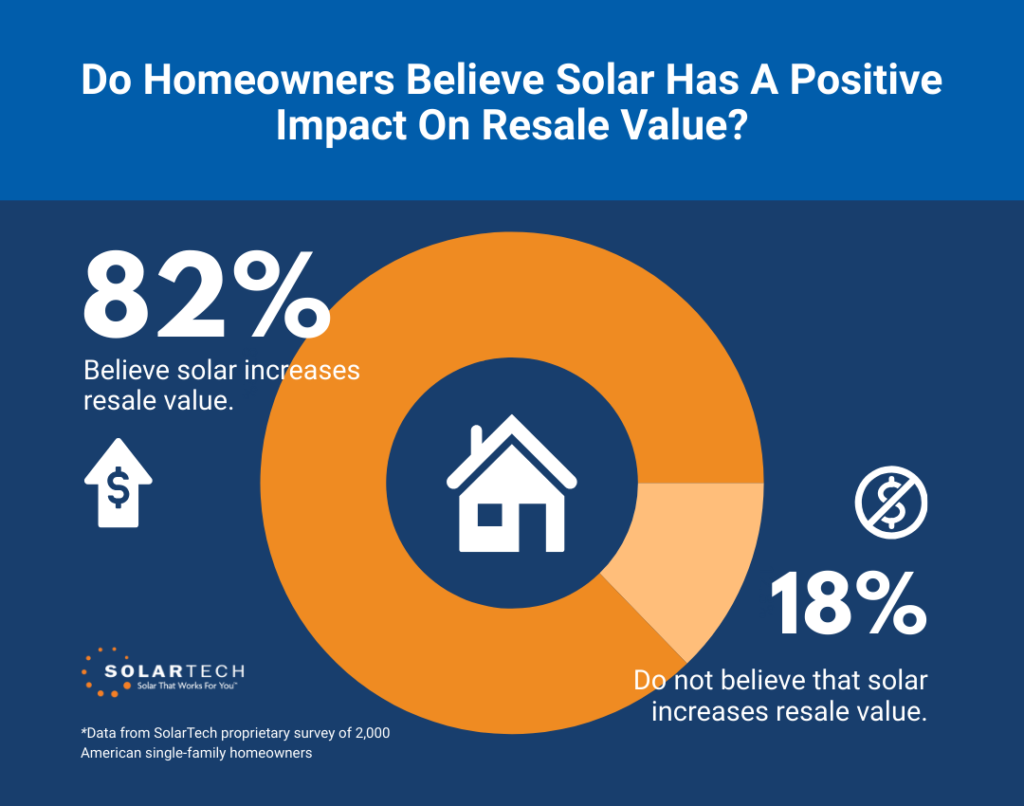
And music to a solar guy’s ears is the fact that out of that 70%, only 18% already have solar.
It seems there is a bright future ahead for rooftop solar.
In the early days (not so long ago), there was more of an environmental motive behind the early adopters’ passion for solar.
“That’s flipped,” says Hofer.
Saving money & energy independence top reasons
“Now people are looking for energy independence,” says Hofer. And “energy independence is a double-edged sword.”
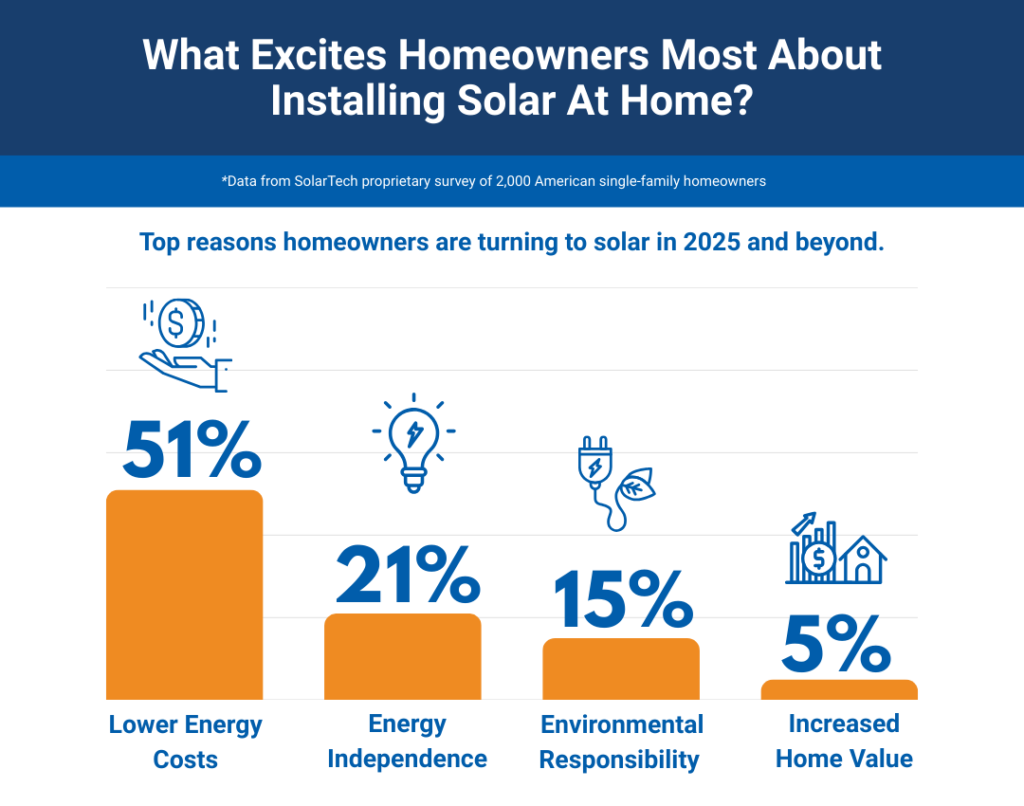
Fully 51% of those surveyed say they are motivated by increasing utility costs, while 21% are seeking energy independence.
If there is one consistent theme over time, it’s our high levels of disdain for utility companies and our utility bills, which motivates us to want to “take it to the man.” But the idea of energy independence is also morphing into a very practical desire to lower costs.
According to the report, “Two-thirds of homeowners (66%) agree that owning solar feels like “taking control back” from utilities, reflecting how energy autonomy has become part of the modern homeowner mindset.”
The environment as a motivator has not disappeared. The survey found that 15% say the reason they want to go solar is to help the environment.
It may not be a primary motivator, but 78% also expressed concerns about “grid reliability.”
“There’s still concern…And as Californians, we continue to hear concerns about rolling blackouts or power outages,” says Hofer.
But this is a somewhat exaggerated concern since even in California, where SolarTech operates, blackouts are rare.
The feel-good nature of solar
There is also a general passion for solar. “Two-thirds of homeowners (66%) agree that owning solar feels like “taking control back” from utilities, reflecting how energy autonomy has become part of the modern homeowner mindset.”
There is an aspect of this passion that is hard to quantify. In 12 years and after more than 400 stories on clean energy, we’ve found at Green Energy Futures that there is a certain romance around the idea of solar. It’s one of our top search terms, and when people tell us about their solar systems, it’s clear they have a passion and pride for their systems that goes beyond practical reasons.
Education is making inroads in the adoption of solar, with 49% saying they “are confident or very confident that solar will fully pay for itself over time.”
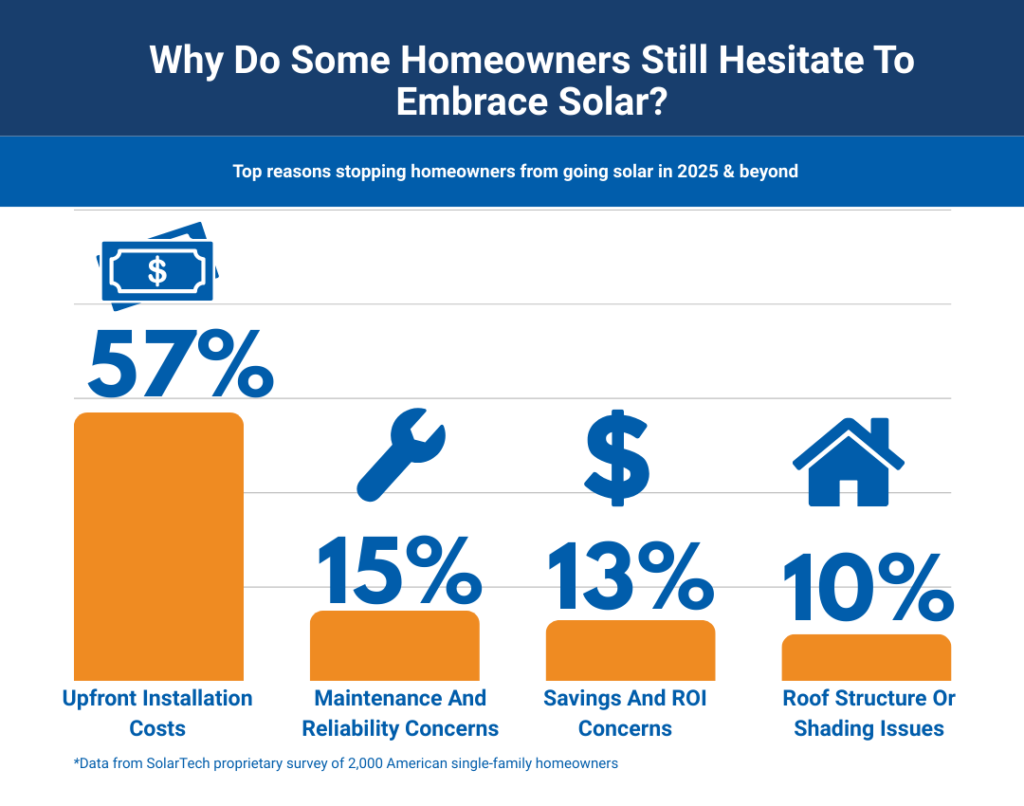
But still, 47% say clearer information about savings would motivate them to go solar.
Despite that a few shady solar companies are promising huge savings, most people are realistic about this: “61% of the people that we surveyed are expecting 10% electrical savings on a month,” says Hofer.
Fifty-five per cent of respondents believe solar increases their property value at least 6%, while 21% estimate an increase of 10% in value.
Most of this is not shocking news to solar companies like SolarTech, but it does provide empirical data to back up their intuitions about where consumers are at when it comes to solar.
Hofer doesn’t expect big changes to his company’s marketing strategies as a result of the data.
Word of mouth the best marketing
And he also confirms the best marketing is done by our neighbours.
“I’m looking out my window right now [in San Diego] and I look over a valley of roofs and I can see probably two homes that have solar,” says Hofer. “Now, if I look at my street, I would say there are probably two homes that don’t have solar.”
There’s no more credible salesperson than your neighbor with his utility bill in his hand. “Word of mouth is incredibly strong,” says Hofer.
Hofer says the survey confirms a lot of what they thought they knew already.
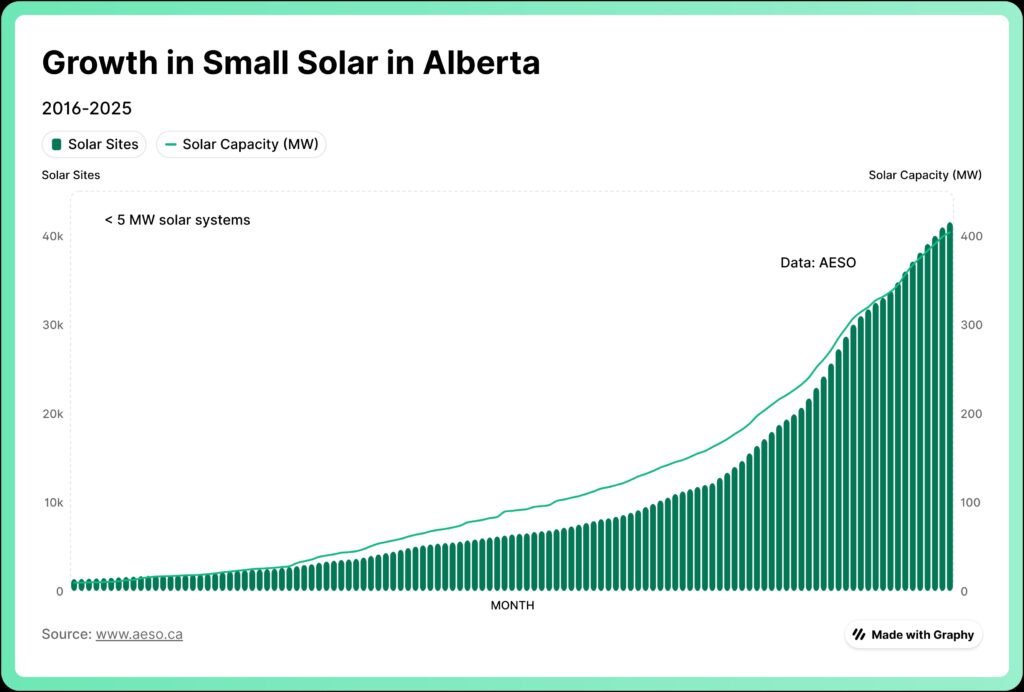
Back in Alberta, we checked the numbers for small solar systems, and astonishingly, they grew more than 100% in 2025, this despite the ending of incentives such as the Greener Homes federal incentive.
The growth of solar slowed down in 2025, but the absolute numbers are way up.
SolarTech’s survey identifies one big factor in this respect.
Financing is key to the future of solar
In the survey, 47% of respondents say that better financing is the key to expanding small solar.
And many experts agree. Since solar makes sense economically and people like solar, there is still the upfront cost. Financing programs such as the City of Edmonton’s Clean Energy Improvement Program (CEIP) or Property Assessed Clean Energy Financing (PACE) as it is called in many jurisdictions provides no or low interest loans to install solar.
Since the savings start in year one, this overcomes one of the biggest barriers.
For rooftop solar and energy transition, all you just need to do is provide good financing programs such as CEIP, PACE, or the former Greener Homes loans once provided by the Canadian federal government.
The beauty of this as a public policy is that it costs the public nothing; you are simply helping people and businesses make investments that make economic sense.
Most incentive programs in Alberta are now over or on hold, but many communities have financing programs. Time will tell if the astronomical growth continues.
