
Listen to this Blog
By David Dodge, GreenEnergyFutures.ca
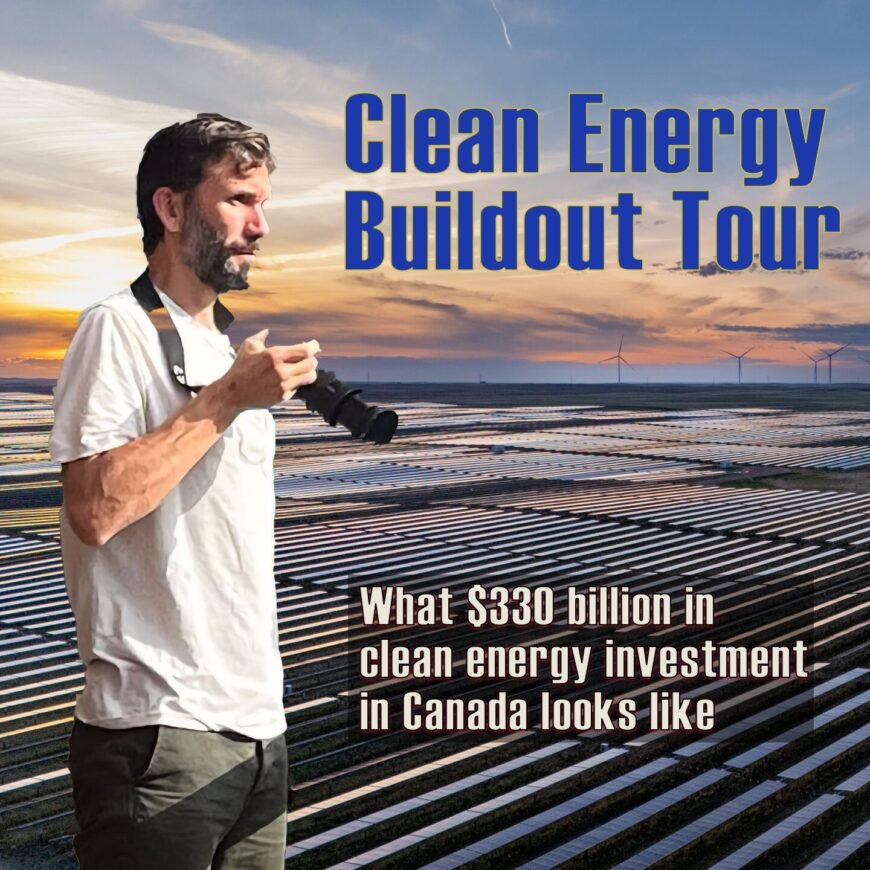
Jeremy Moorhouse is a data geek who normally works quietly behind a desk. That’s why it may be surprising that he’s now in the middle of a cross-Canada tour to see what $330 billion in projects of the energy transition look like on the ground.
I know Jeremy, who has worked for the Pembina Institute, Clean Energy Canada, and the International Energy Agency, crunching data. And I know how compelling it is to see the people and the projects behind the numbers because that’s what we do at Green Energy Futures.
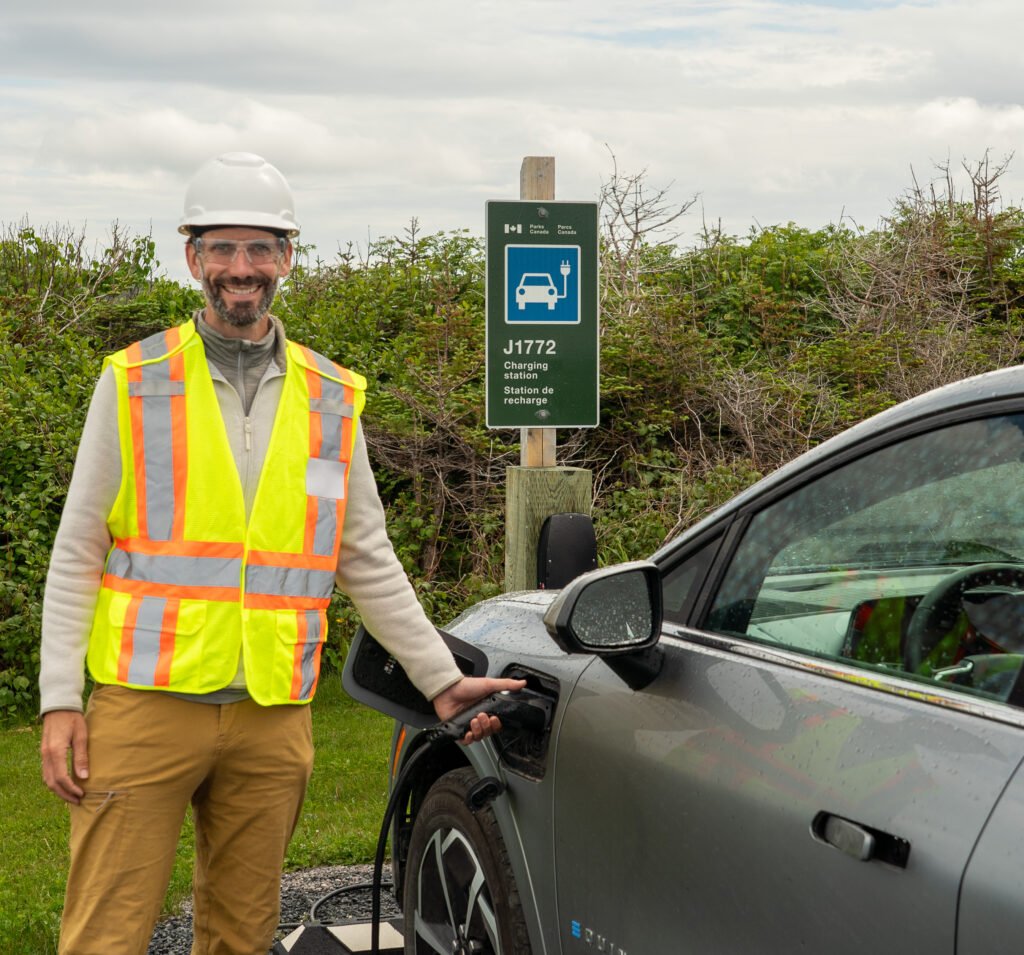
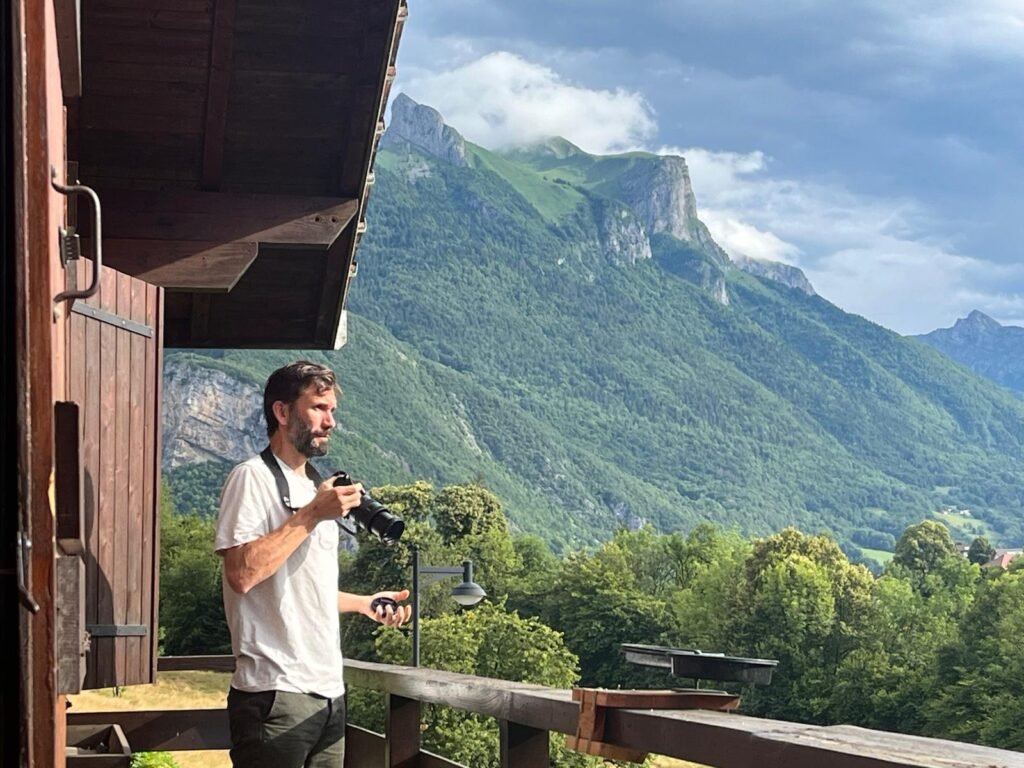
Jeremy wanted to see what $330 billion in clean energy investment over the last decade looks like, so he hopped in his Chevy Equinox EV and began a tour of Canada. His goal: visit 50 solar, wind, biofuel, and net-zero buildings and clean energy projects across Canada.
He calls his project the Clean Energy Buildout, and his goal is to interview the people, photograph the projects and analyze how Canada’s energy transition is doing on the ground.
“In the Clean Energy Buildout Project, I’m trying to take all the investment that’s happened in Canada over the last decade and make it tangible,” says Moorhouse.
“I started in Vancouver on May 6th, and then I’m going all the way to St. John’s, and right now I’m sitting in Halifax. St. John’s is really the halfway point because then I have to make it all the way back,” says Moorhouse.
He’s visiting 50 sites and plans to meet people at 25 of those sites to learn about their work and tell the stories of their work.
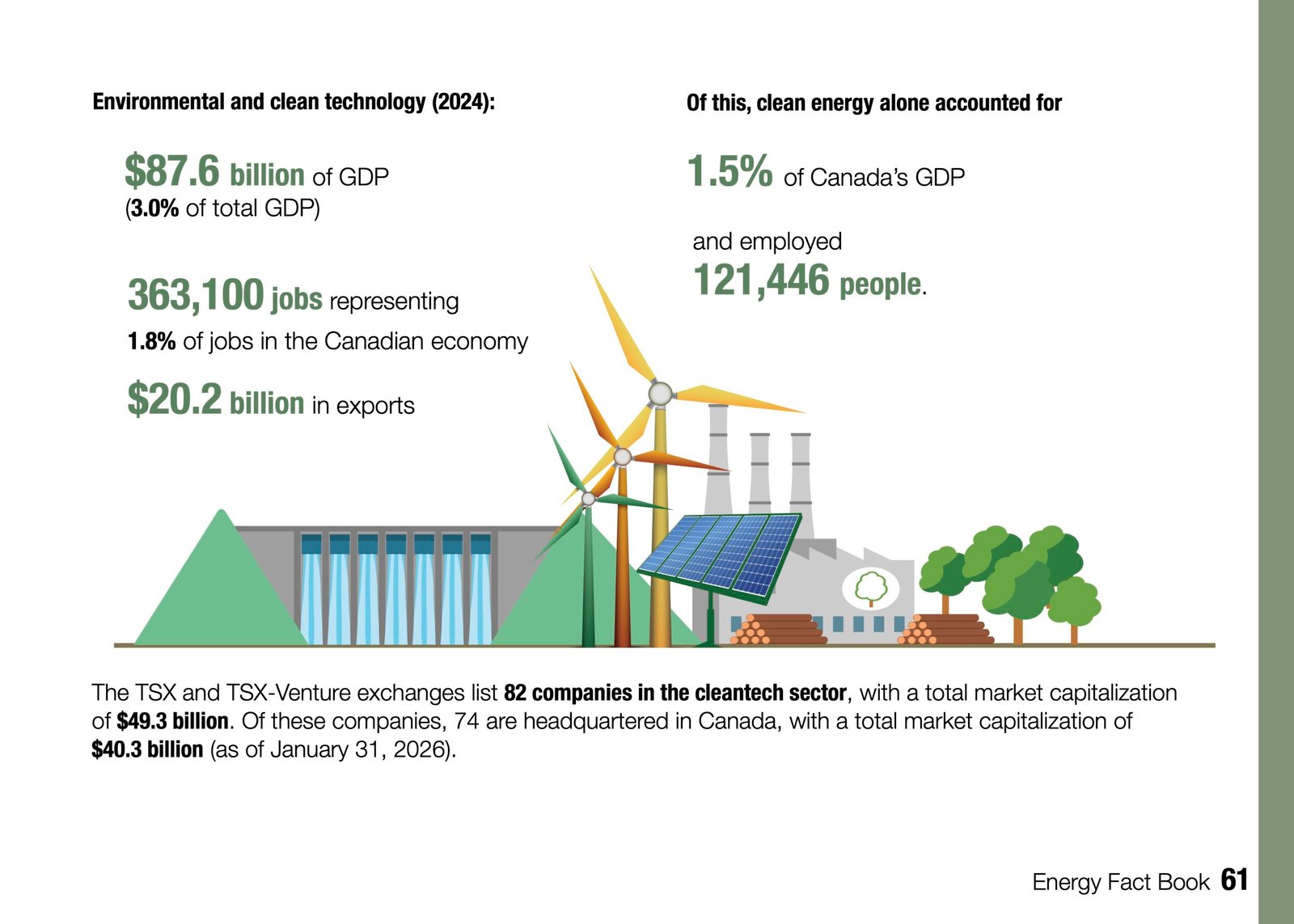
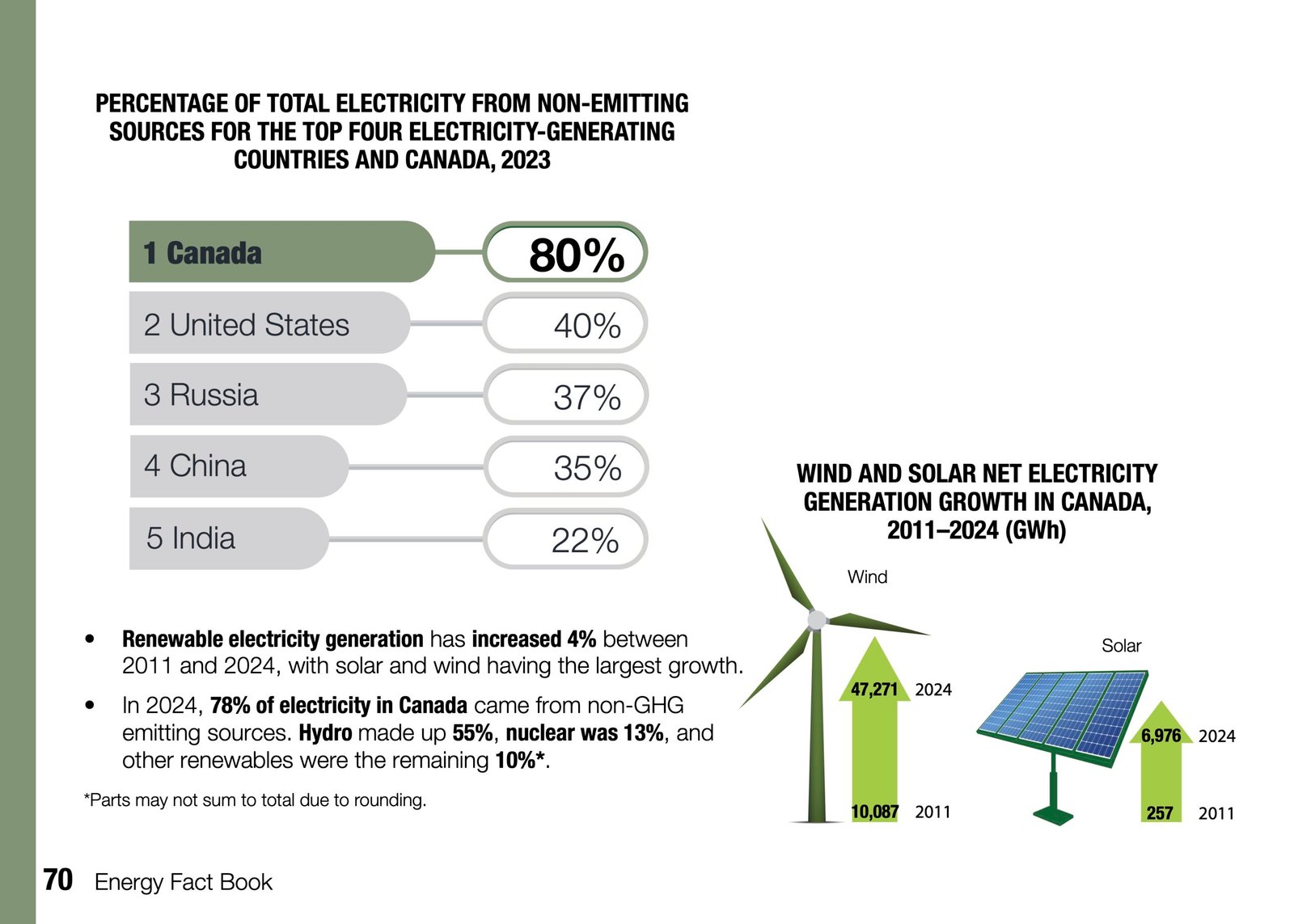
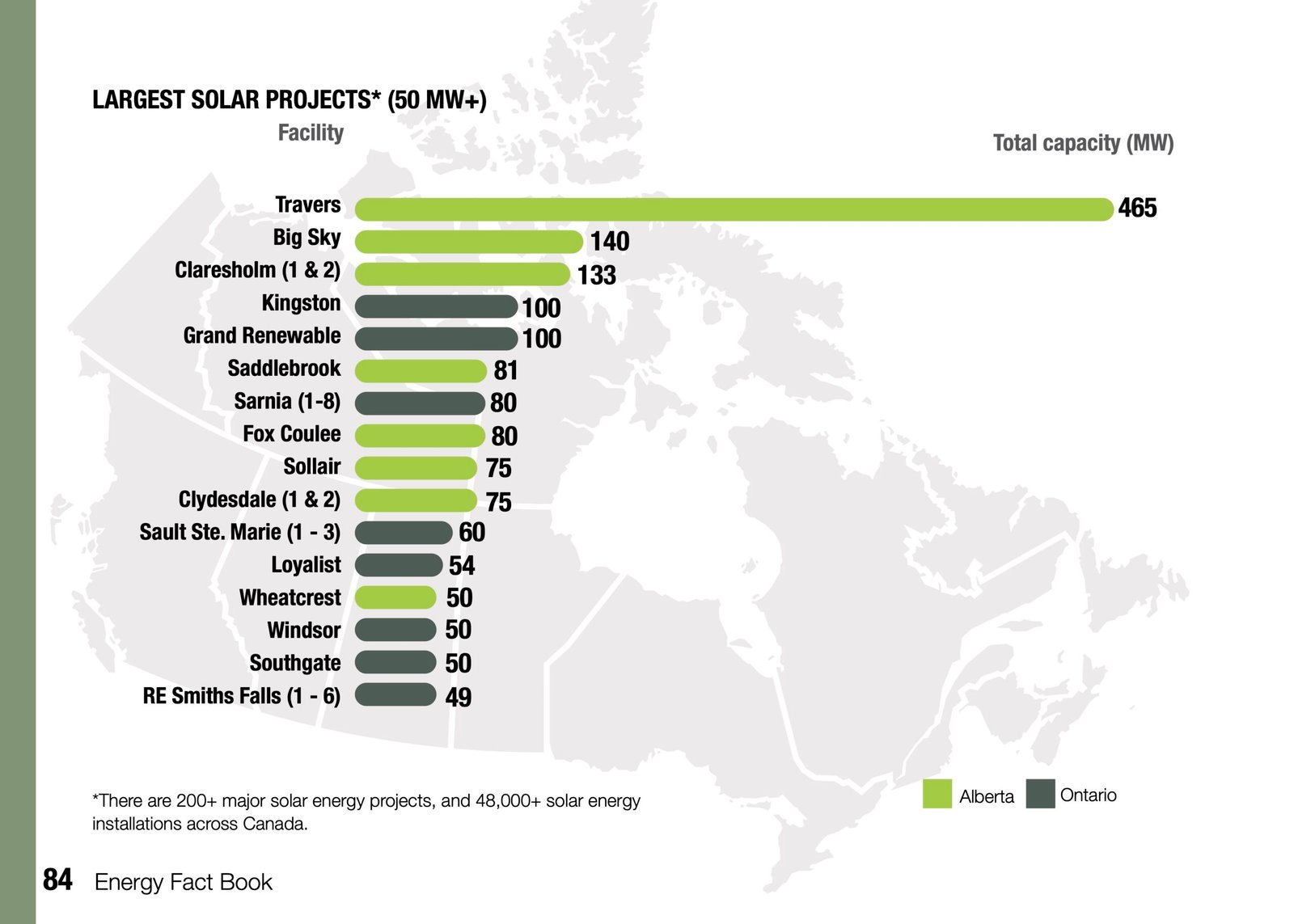
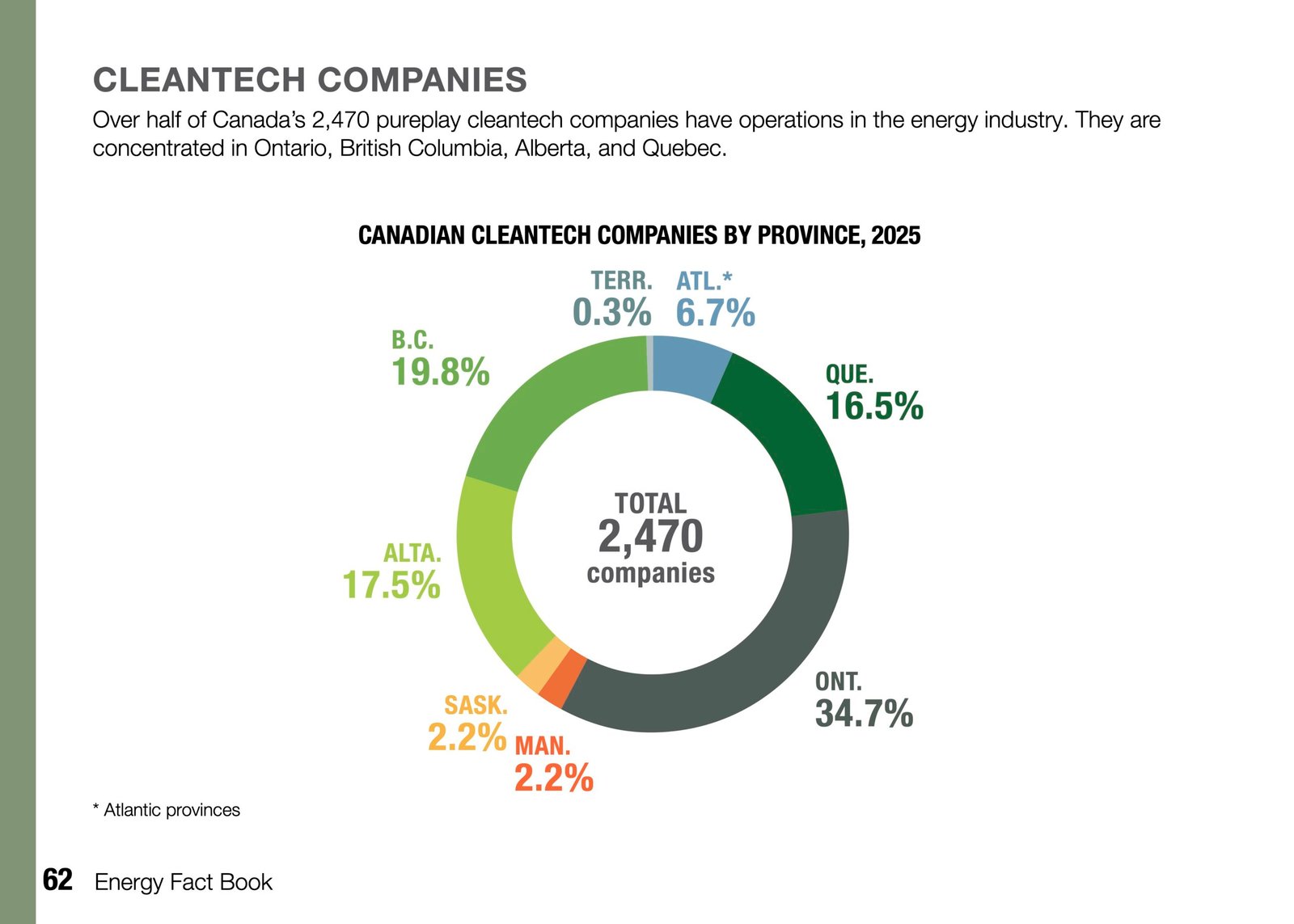
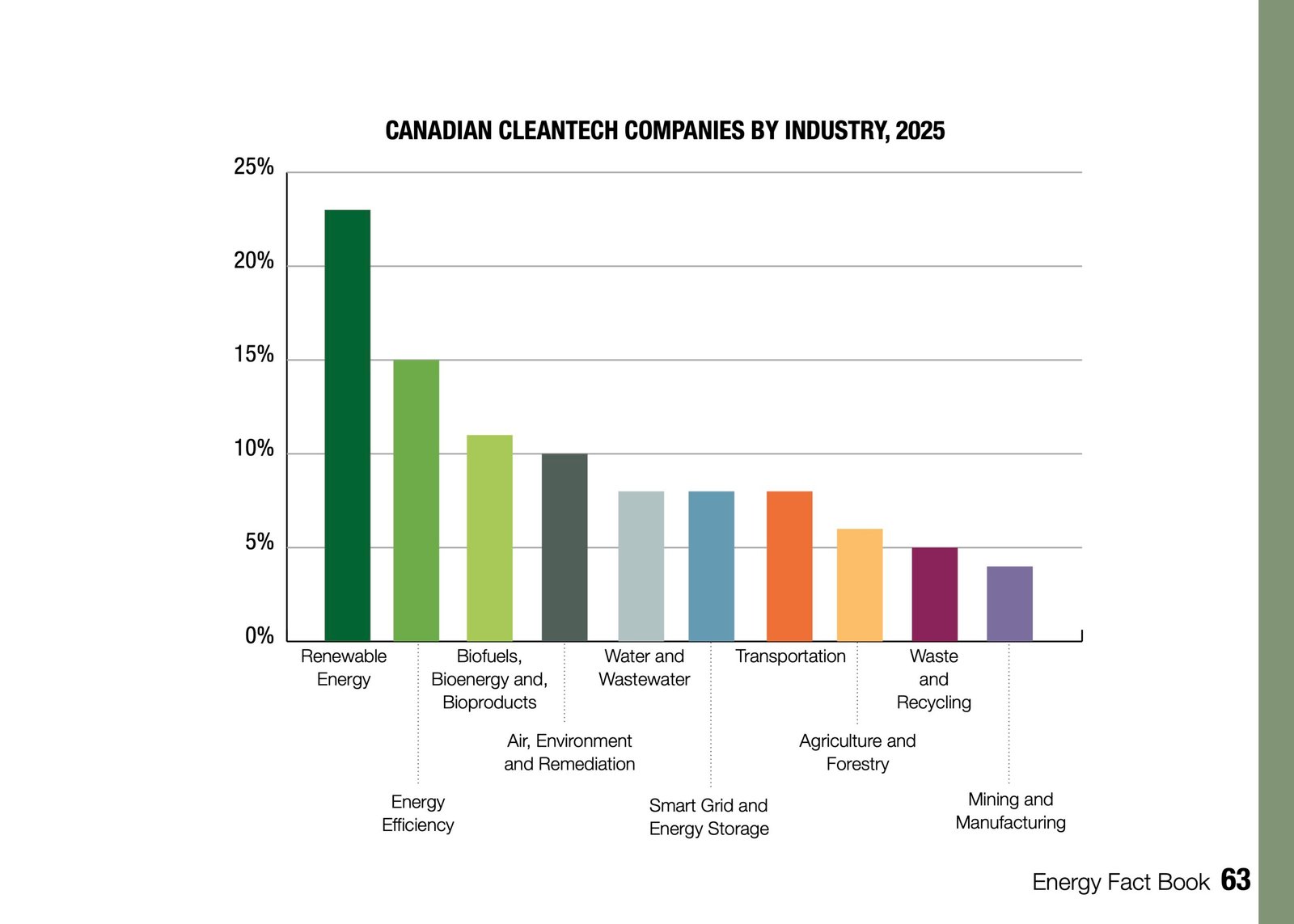
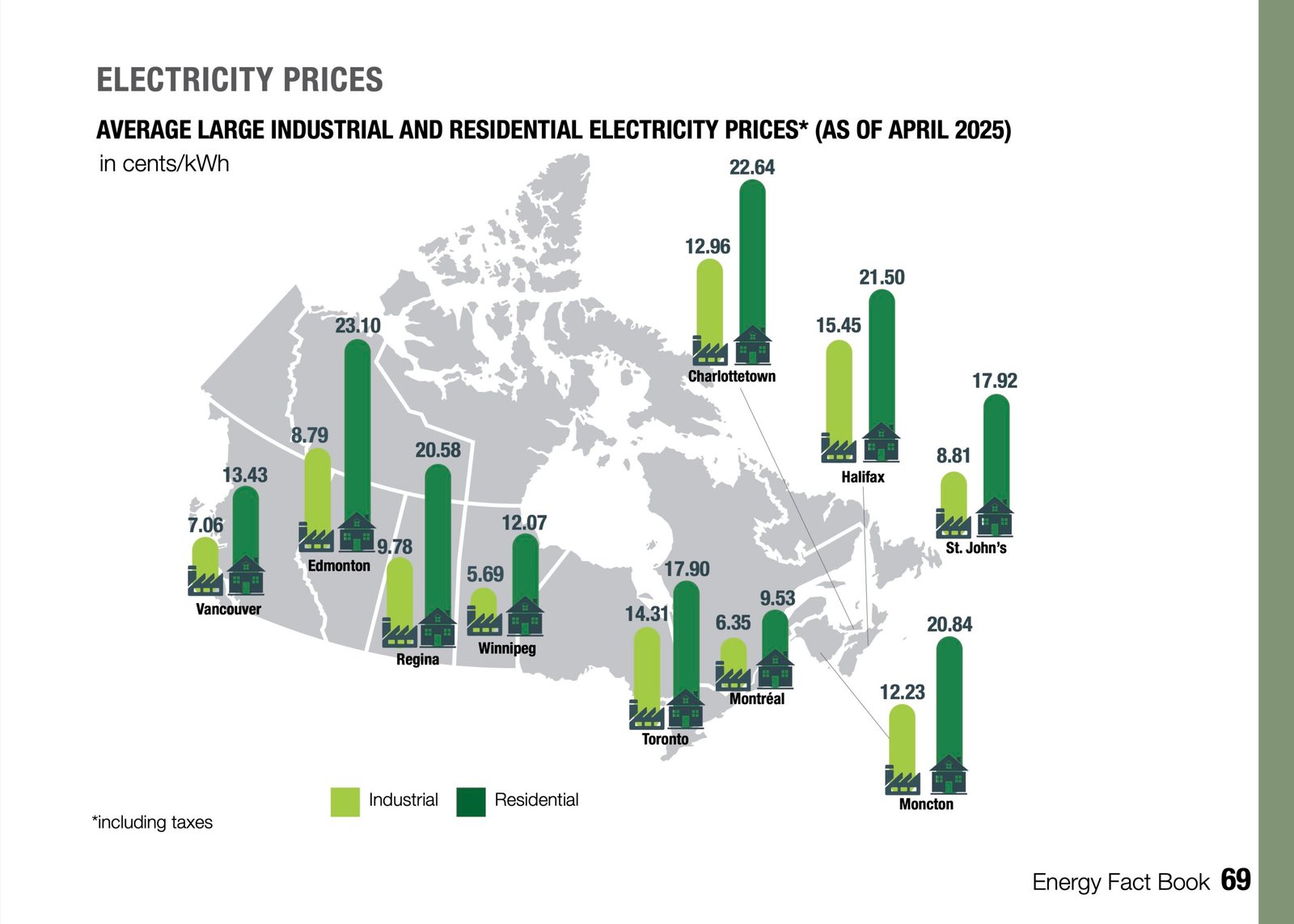
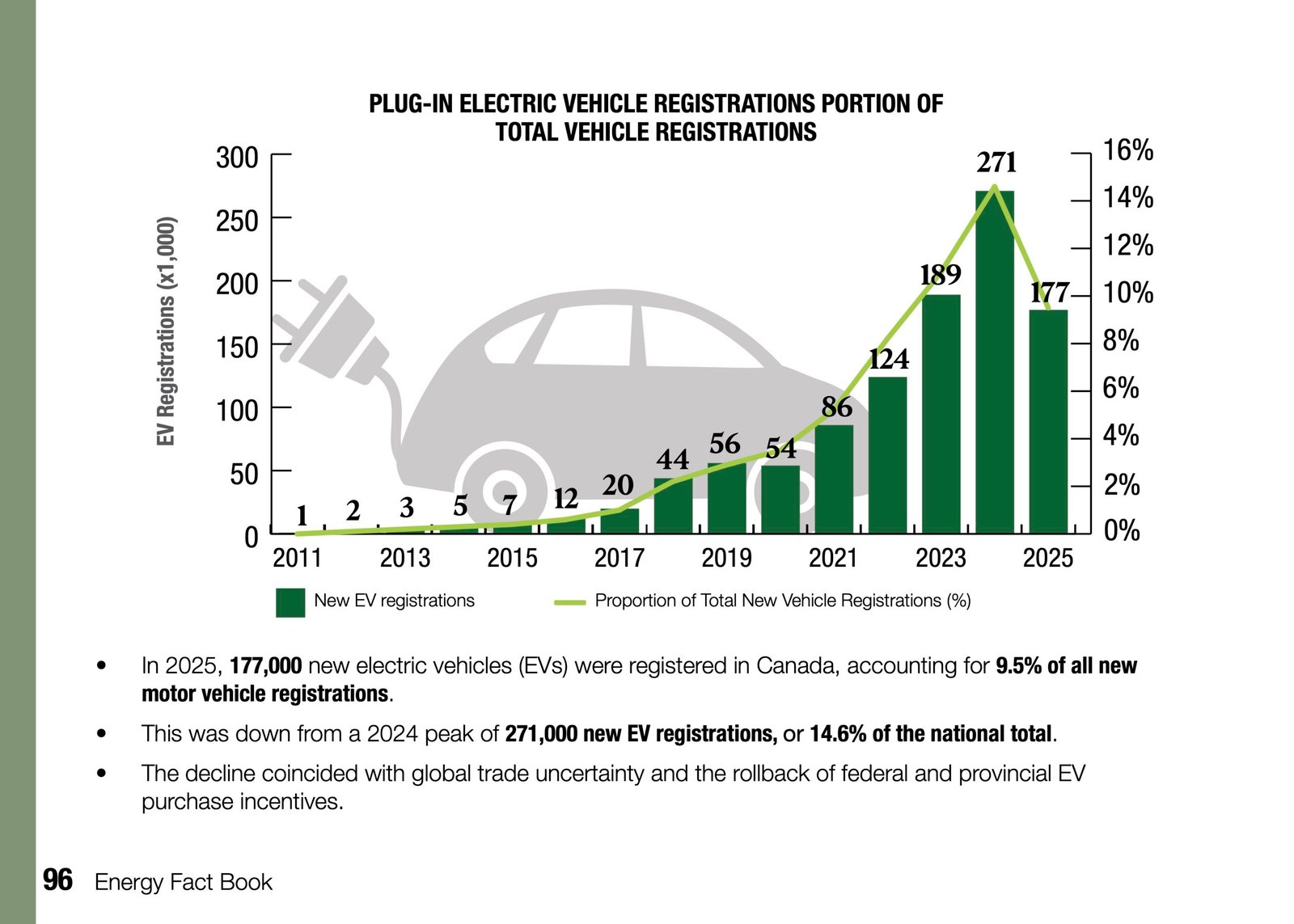
Here are a few facts about the energy transition and clean energy investment and adoption in Canada. Source: Energy Fact Book, Spring 2026 Edition, Natural Resources Canada
Pipelines? What about $330 billion of investment in clean energy
Jeremy was frustrated with the media. “When I turned on the news in Canada, we’re talking about pipelines; we’re talking about the decline in EV sales. It was all negative news.”
He wondered what the $330 billion was invested in, and he wanted to experience the energy transition on the ground with the people doing it across Canada.
The first thing that impressed him was what he calls “The Electric Highway.”
“Over the past decade, Canada’s built an electric highway. You can do this entire trip I’m doing in an EV. And so far, there’s been really zero issues in crossing the country in an electric vehicle.”
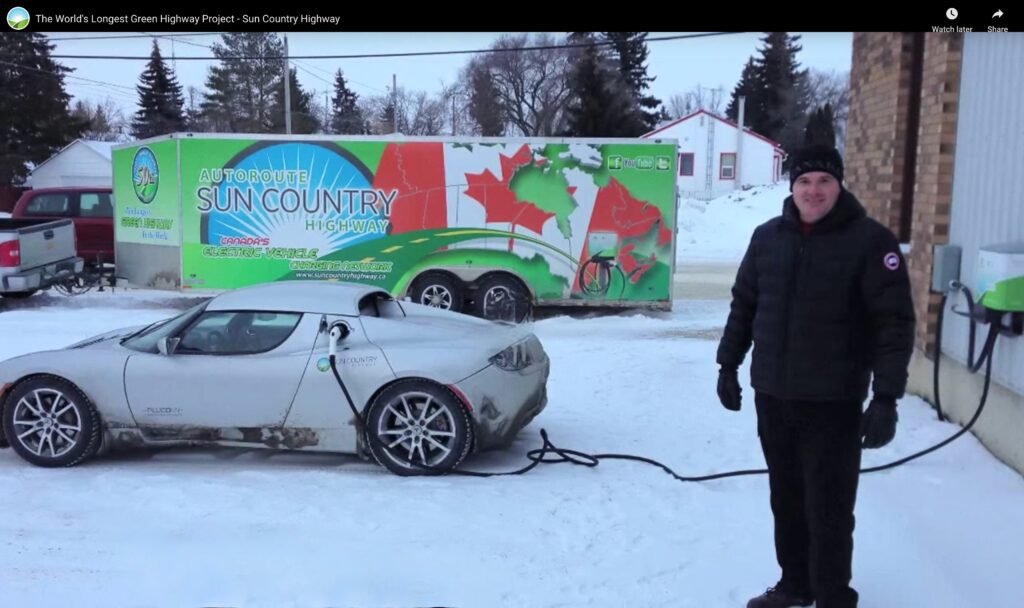
Indeed, it was Canadians like Kent Rathwell who founded Sun Country Highway, who, against all odds, set out to build this electric highway as we reported in a story back in 2013 and then again in 2020.
Another statistic Jeremy knows well is that 90% of the electricity generation built in the last decade in Canada has been renewable energy.
“I talked to a lot of people on this trip, and most people still think that most of what we’re building is fossil fuels, but really renewables are the number one source of new supply for electricity generation across the country.”
Canada’s largest solar farm is helping save the family farm
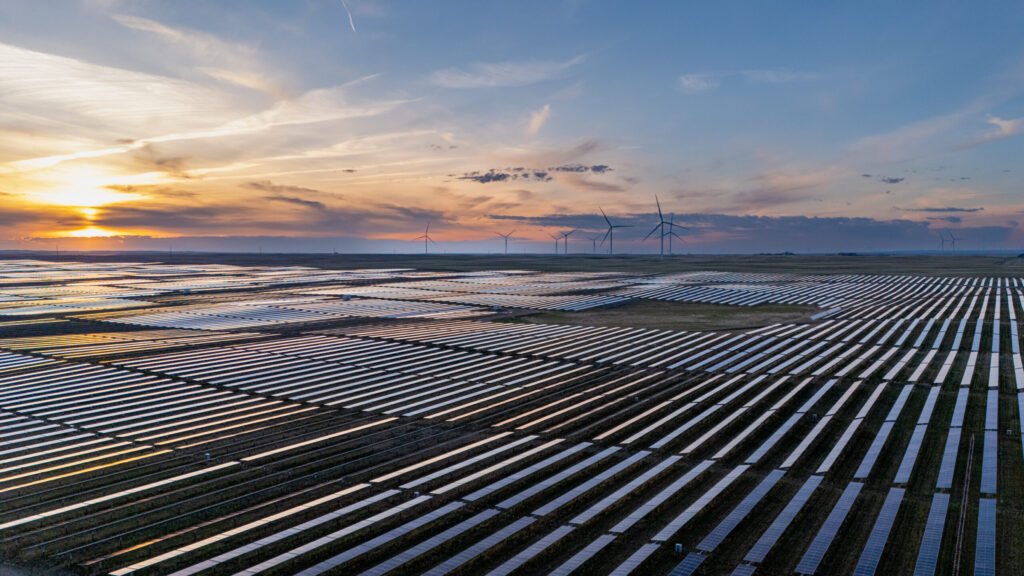
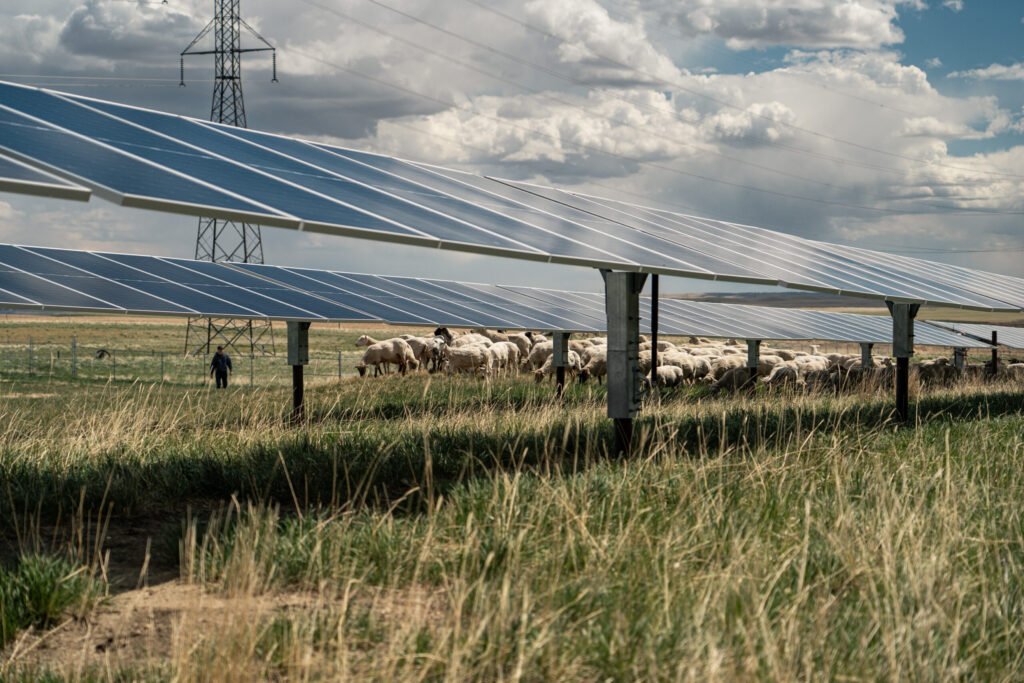
So, Jeremy stopped at the Traverse Solar Farm in southern Alberta. It’s the largest solar farm ever built in this country at 465 megawatts. It was built in the brief heyday of renewable energy development in Alberta before the oil-obsessed government there slammed on the brakes for renewable energy.
While there, he met and interviewed Eric Steeves, a landowner who partnered with the solar project.
Steeves told Jeremy the solar project saved his family farm and actually drove his agricultural productivity up, not down.
“That was exactly what he said to me,” says Jeremy. “The solar panels provide shade, so there’s more moisture, and so they actually run 2.5 times more sheep than they were expecting because the land was just that much more productive.”
See Jeremy’s story on Eric Steeves and Travers Solar Farm.
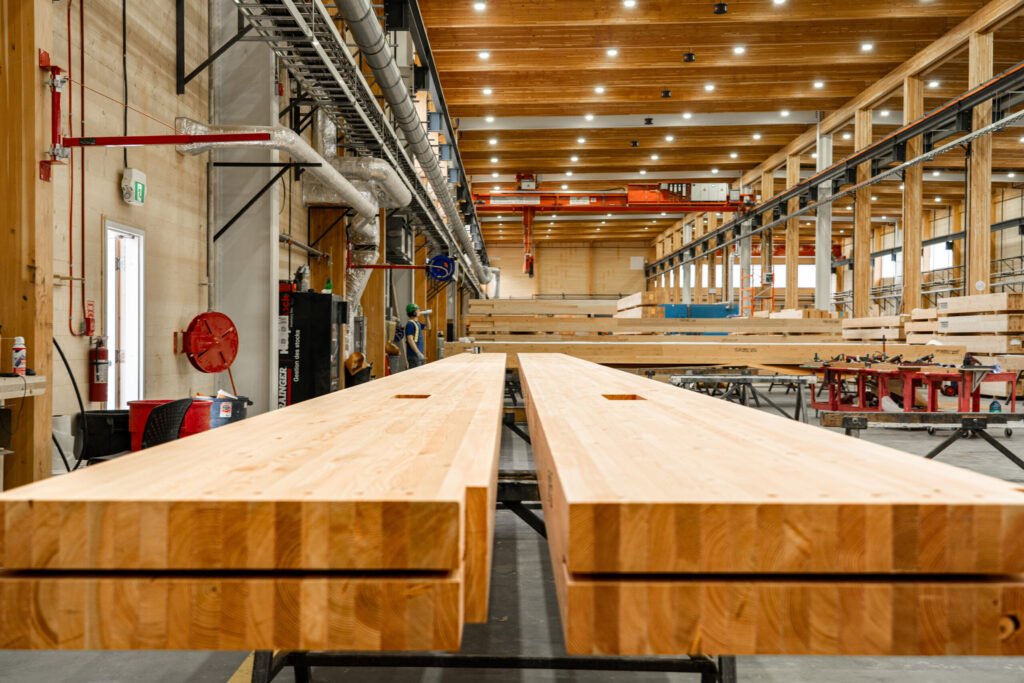
Jeremy also stopped at the Kalesnikoff sawmill operation in BC. They’re adapting to changing times by moving up the value chain and tapping into the sustainability of building using mass timber structures so popular with architects these days.
It’s a very earthy option for building lower-embodied-carbon buildings.
This may have seemed like a risky move at the time when building codes were not on board.
But today, the market for mass timber construction is soaring. It’s now in the national model building codes, and it’s being adopted by the provinces.
“So they’ve built two new facilities, with tens of millions of dollars of investment in Castlegar and they’ve doubled their employment in the region,” says Jeremy.
There is magic in seeing the projects and hearing the stories
It reminds me of the work we do at Green Energy Futures. There is no substitute for going on location in the Bay of Fundy to learn about tidal power, or to witness the construction of the Kinney EarthShip in southern Alberta. You meet inspired people, doing inspiring things, and the stories come alive.
Jeremy is posting photos and the stories from his epic journey at his new website CleanEnergyBuildout.ca
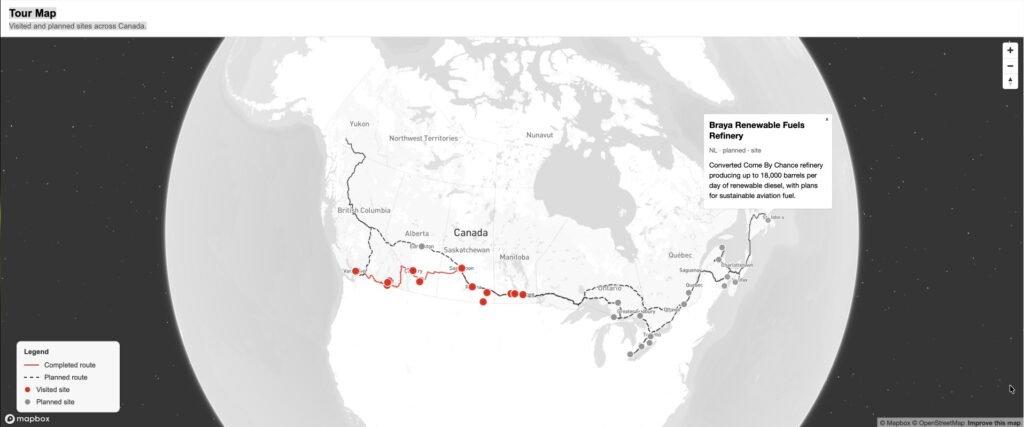
On the website is a map of the tour, complete with each stop highlighted with links.
It turns out Jeremy is a photographer as well, and that his Clean Energy Buildout Tour was designed to produce some cool products.
The first is a photo database: “The aim is to get a thousand photos in there from all of these different sites. And those are free to use by anyone who would like to use those images,” says Jeremy.
I’ve checked out the photos – they’re very good!
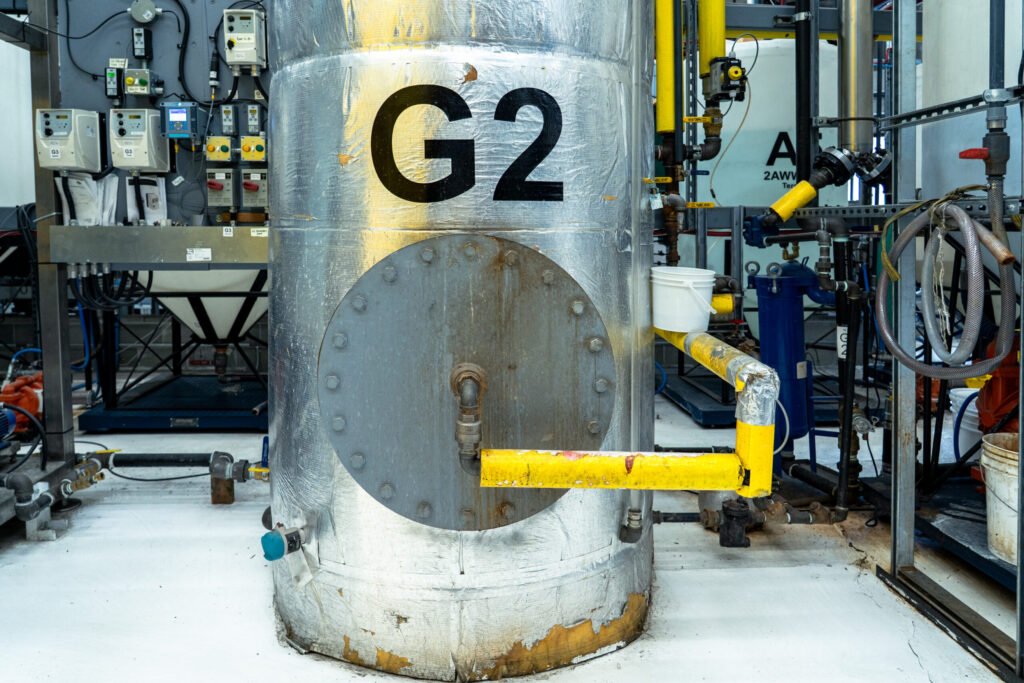
The second are stories on the people and the projects, such as this one on Consolidated Biofuels in Surrey, B.C.
And finally, “I’m working with the Canadian Climate Institute. And at the end of the project, I’ll take a step back and look at what changes have happened across the country,” says Jeremy.
So the data geek will sit down and analyze what he’s actually seen on the ground, the people, and the projects behind the $330 billion in investment.
I live and work in this space, and even I get carried away doom-scrolling, which leads one to believe there is only bad news out there.
But Jeremy is reminding us there are many inspired people and billions of dollars in investments building a climate-resilient world that runs on clean energy.
