
By David Dodge, GreenEnergyFutures.ca
A group of pioneering home builders have been dreaming of the day they could produce affordable net-zero homes that produce their own energy.
That day is here.
These pioneers were all in from the start, and now, just over a decade later, hundreds of builders are bringing their dream to life, and it’s so affordable that it makes sense for consumers today.
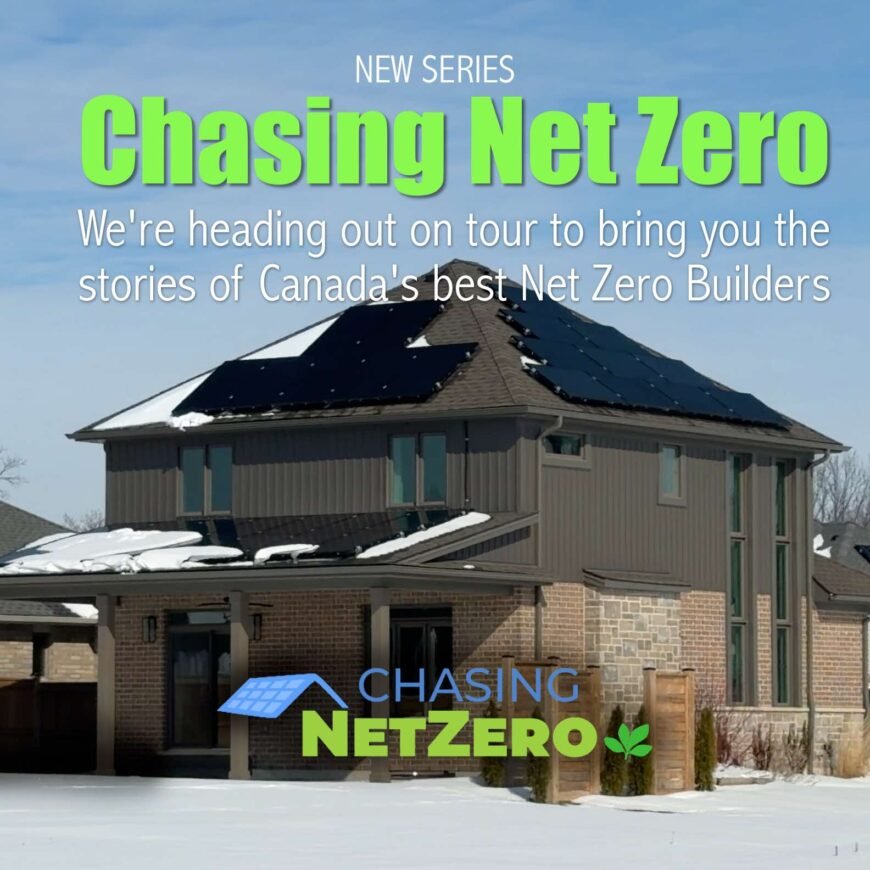
Chasing Net Zero will tell the stories of some of Canada’s most amazing builders who struggled, innovated, and persevered with dogged determination to build the best homes in Canadian history.

Today, builders like Doug Tarry Homes in St. Thomas, Ontario, are building only net-zero-ready and net-zero homes. And Steve Rouston of Land Ark Homes in Westport, Ontario, is building an entire community of only net-zero-ready and net-zero homes.
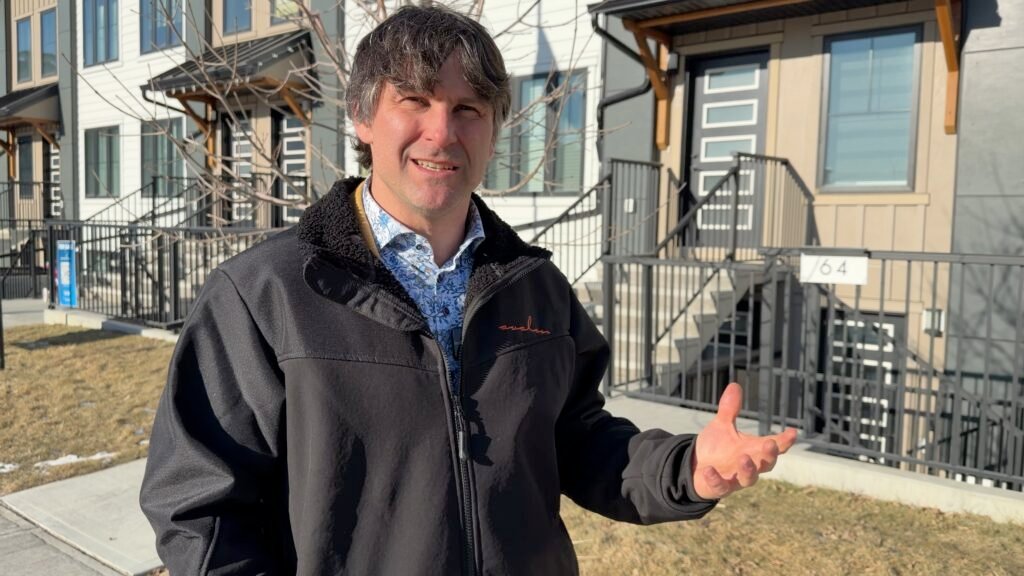
And builders such as Chris Williams at Avalon in Calgary, Alberta, can now say you will pay less in monthly costs for a net-zero home than a code-built home. He calls this net zero for zero dollars.
This is amazing when you consider the homes built in the Canadian Mortgage and Housing Corporation (CMHC) pilot program called Equilibrium 20 years ago were spending up to and more than $120,000 more to make their homes net-zero.
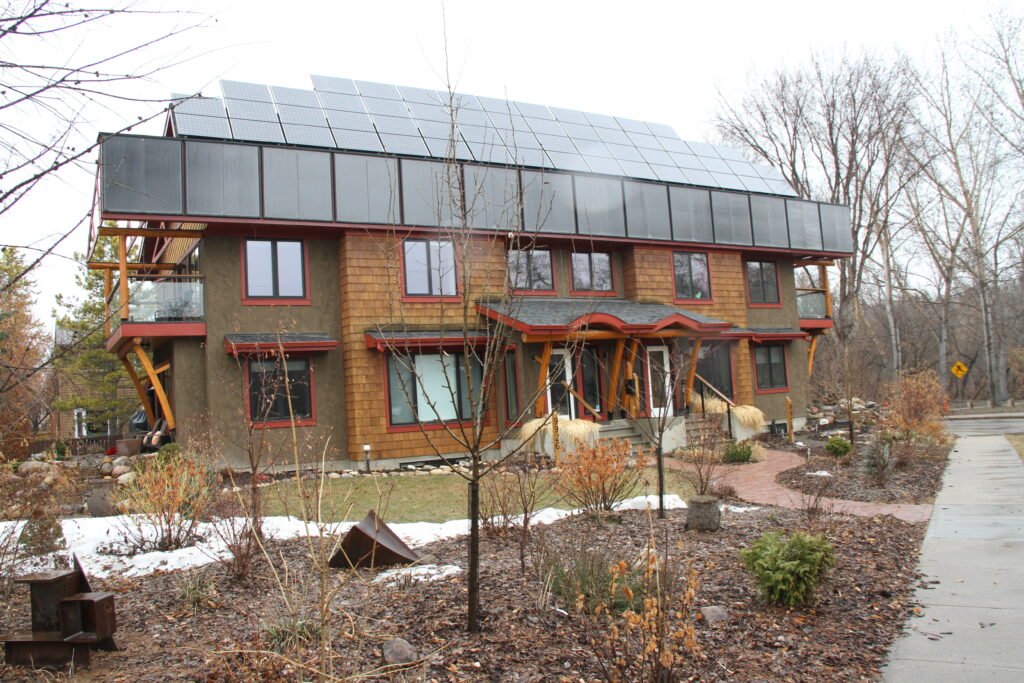
These were amazing homes, such as Riverdale in Edmonton, that had a team of dozens of engineers, architects, and builders working together to demonstrate technologies such as solar, extreme energy efficiency, and heat pumps. But those early homes were a little like the Star Ship Enterprise – expensive showcases of technology, but not something you could replicate affordably – yet.
Chasing net-zero Part 1: Net-zero 101
www.greenenergyfutures.ca/episode/78-chasing-net-zero-net…
Almost immediately after those pilot programs, Peter Amerongen, whom we refer to as one of the fathers of net zero, started building net-zero custom homes through his company Habitat Studio in Edmonton. He built his first net-zero home for Conrad Nobert in Edmonton in 2008.
The enthusiasm for perfecting net zero was infectious, and a community of builders across Canada joined the mission. Effect Homes, also from Edmonton, built three net zero homes side by side after former politician Kevin Taft came to them and asked them to build net zero.
In an amazing project, Effect built a net zero-ready home, a net zero home heated with an air source heat pump, and another heated by geothermal side by side. They called the project Belgravia Green.
Then, against all odds, Reza Nasseri, a production builder who owns Landmark Homes, embraced the idea and immediately started working on the spreadsheets to build net zero homes cheaper than ever before.
In 2019, we did a story on a Landmark Home dubbed the most affordable net zero home in Canada at $399,999 including GST.
Net zero labelling – Truth in Advertising
Meanwhile, the Canadian Home Builders Association also embraced the dream and, along with a lot of support from many net zero pioneers, formed the Net Zero Council and then together they set up the CHBA Net Zero Home Labelling Program.
They knew there needed to be a way to label, promote, and recognize these homes for consumers. They also knew all builders would say they build the best homes. But consumers and builders alike needed a way to demonstrate the amazing performance of these super energy-efficient homes.
When coupled with the EnerGuide rating system, consumers would know they are getting some amazing homes that are net zero or net zero ready.
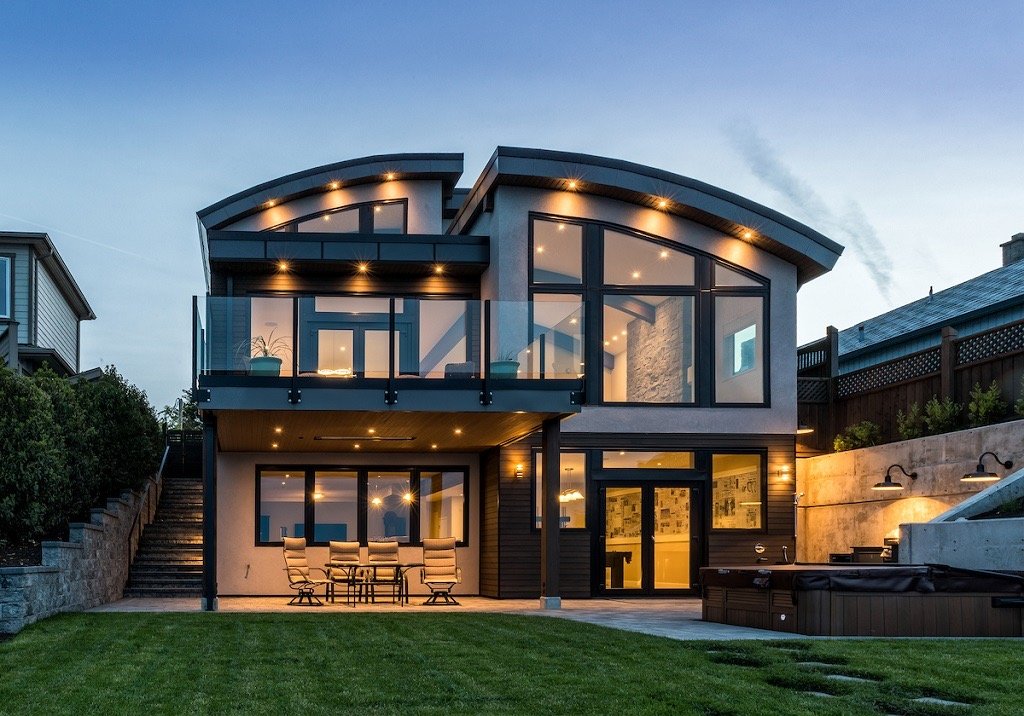
They began with a pilot in 2015-2016 withthe first homes labelled by Reid’s Heritage Homes and Lucchetta Homes, then launched version 1 of the CHBA Net Zero Home Labelling program in 2017 with Falcon Heights based in Kelowna, B.C., building the first labelled Net Zero Home in Cordova Bay in Victoria, BC.
”It was a beautiful home with high levels of insulation, an air-to-water heat pump system, solar thermal water heating, an EV charger, a ductless dryer, and an 11-kilowatt solar system.
At the heart of the Net Zero idea is a home that is so well insulated it requires up to 80% less energy to heat, thus allowing homeowners to use energy-efficient heat pumps to heat it and solar to provide the electricity for both heating and plug loads.
The origins of the energy efficiency notion date back to the 1970s, when Harold Orr built the Saskatchewan Conservation House and pioneered the concept of the passive house. He realized back then he couldn’t install enough solar on the home to heat a regular home, so the answer was to make the home super energy efficient.
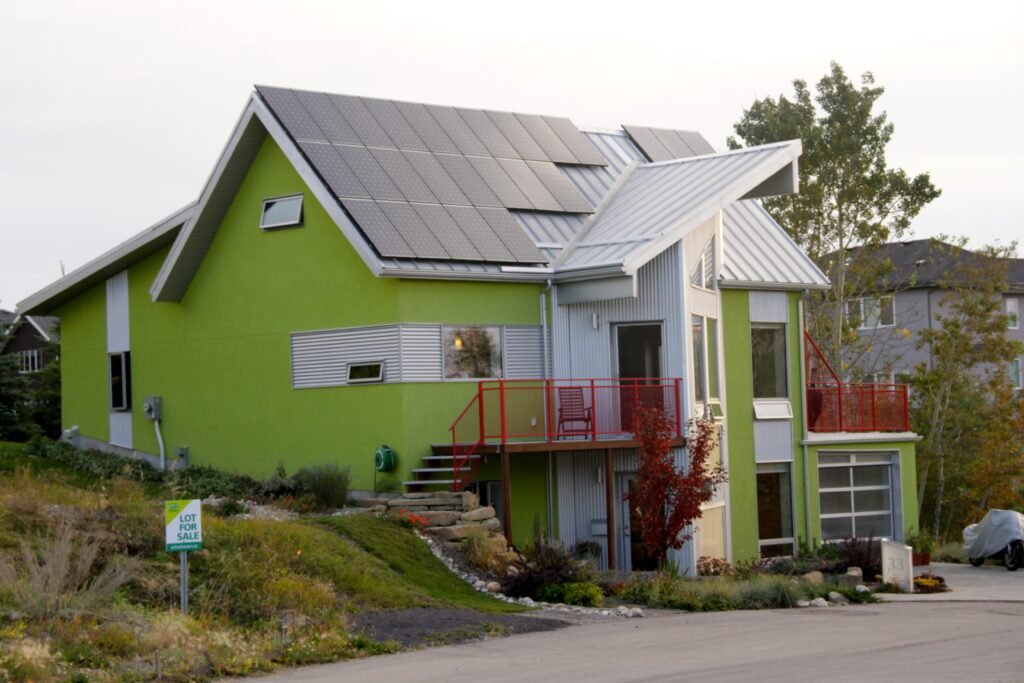
The pathway to net zero
The CHBA Net Zero Home Labelling program was heavily based on R-2000 and the builders who had been building R-2000 homes for decades were the first ones to jump on board. It had a much bigger impact on where housing is today than any of the other programs.
Later, many home builders had already taken important steps to build better, more efficient homes using labelling programs such as Built Green and Energy Star. Energy Star was about 20% more efficient than a code-built home, while Built Green ranged anywhere from 10 to 50% more efficient.
Then there were LEED and Passive House programs, which some builders embraced.
But what the CHBA saw was the need to design a program which was flexible and encouraged the most builders to participate. And it turns out this was a smart decision.
In our forthcoming Chasing Net Zero series, we are meeting and filming stories with a dozen builders across Canada, and one common theme has emerged.
Those who love the CHBA Net Zero Home Labelling program say it’s because of its flexibility. They looked at other programs and found there was always a checkbox they couldn’t or didn’t want to achieve for a variety of reasons.
Many builders got on the pathway to net zero by taking baby steps. A common theme is for builders to embrace Energy Star or Built Green first and then, over time, realize net zero was within their technical and economic grasp.
CHBA Net Zero Home Labelling – Flexibility is key
“The flexibility is really around the fact that we have a performance-based approach versus a prescriptive approach,” says Sonja Winkelmann, head of the CHBA Net Zero Home Labelling program.
Most importantly, the builders weren’t told how to achieve net zero.
“As long as the builders are meeting the minimum requirements and meeting the target of zero gigajoules, we allow them to use technologies as long as they’ve been tested, are tried and true off-the-shelf solutions,” says Winkelmann.
Critically important to the CHBA was driving innovation to make the homes more affordable, high-quality, and easier for more builders to embrace. “This isn’t about experimentation.”
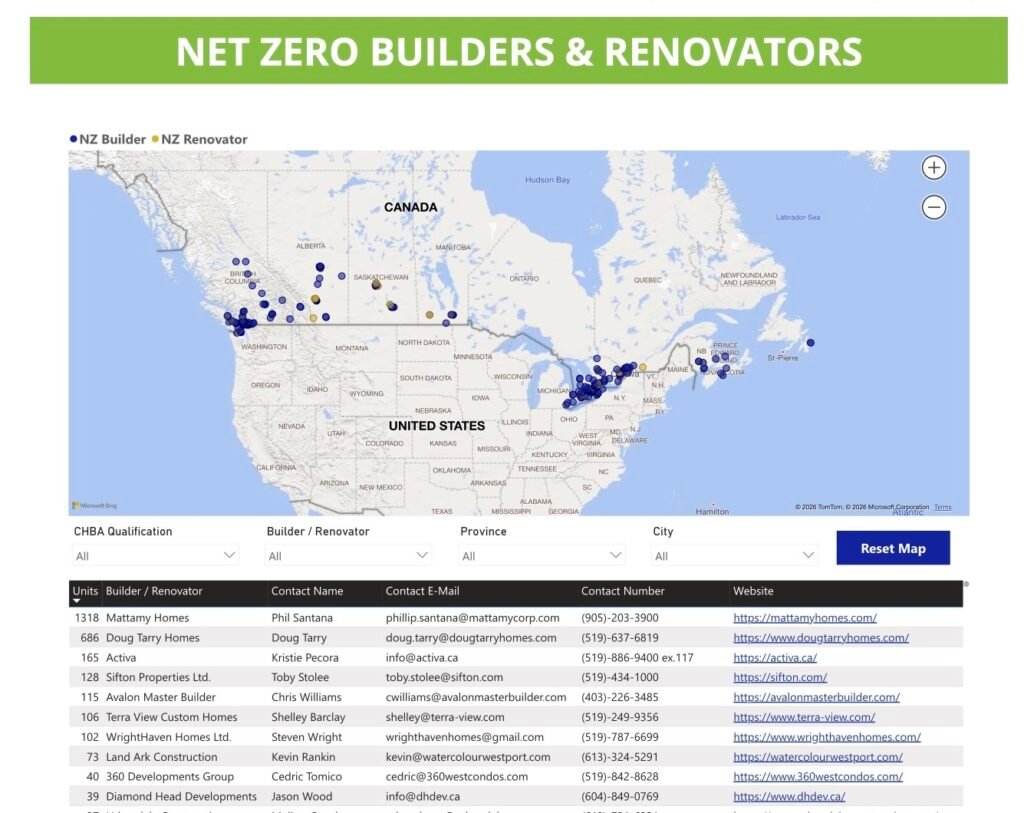
And the proof is in the pudding. Today, more than 325 builders, energy advisors and renovators have embraced the net zero labelling program, a list you can search at their website.
“Right now, we have just over 3,700 homes that have been labelled in Canada,” says Colin Bayne, manager of the Net Zero Home Labelling program at CHBA.
“We anticipate seeing another influx of about 900 to 1,000 more labelled homes in this calendar year,” he says.
As for builders, “Mattamy leads the race right now with more than 1,300 [labelled] homes,” says Winkelmann. Doug Tarry Homes has 686 labelled homes, Activa 165, Sifton Properties 128, and Avalon Master Builder in Alberta has 115 labelled homes. They are followed by Terra View Custom Homes with 106, WrightHaven Homes with 102, and Land Ark Construction with 73, labelled net zero ready and net zero homes. (see the full list)
The program is now at an inflection point as production builders like Mattamy, Landmark and others are joining the custom builders in building net zero homes.
Affordable Net Zero
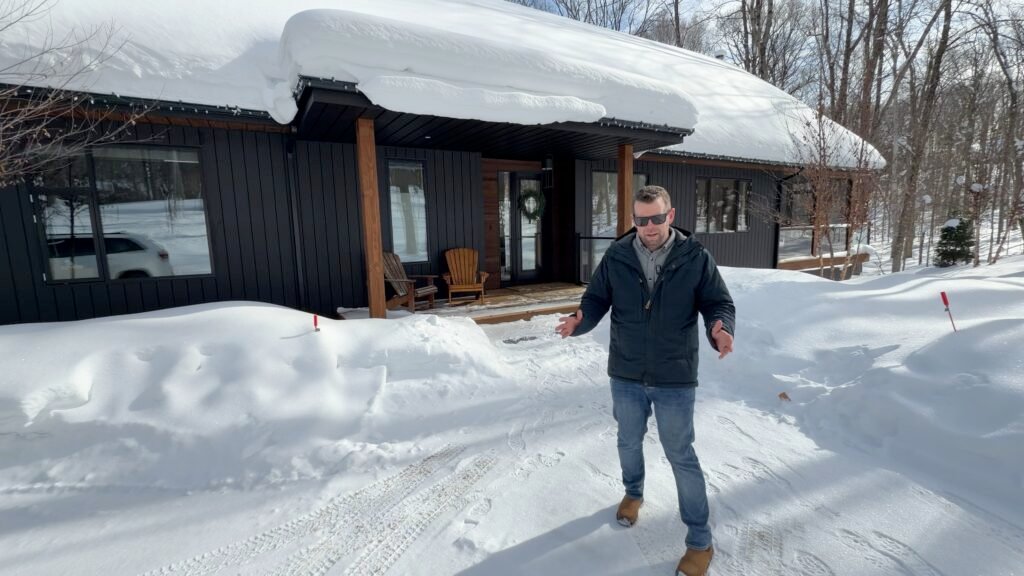
Perhaps the biggest innovation has been that the cost of taking a home to net zero has plummeted. As the number of builders has gone up and as they have built more and more net zero homes, innovation is changing everything.
You may recall the Equilibrium pilot homes cost $120,000 or more to take them to net zero.
“And now what we’re seeing in our program to get to net zero is what we’re hearing anecdotally is somewhere between 40 and 50,000. And about half of that is for the solar panels,” says Winkelmann. “So if you wanted to do a net zero ready, what they’re saying is you could probably do it for 20 to 25 grand.”
Remember that’s for a home that requires up to 80% less energy to heat it, and one that is so well insulated you will never feel drafts.
Avalon in Calgary advertises their net zero homes for zero additional cost. When you factor in discounts on mortgage insurance, favourable mortgage rates, and utility savings, you will pay less in monthly costs starting with the first month of ownership.
The secret sauce of net zero
We’re asking every builder we encounter in Chasing Net Zero what their secret sauce is for building affordable net-zero homes.
Air Tightness
The easiest way to save energy in a home is to build it airtight and reduce the amount of heated air leaking out of it.
This is accomplished in two key ways. First, eliminate all of the holes in the home, including bathroom vents, stove vents, and other penetrations. This is accomplished by building a centralized fresh air system managed by a heat recovery ventilator (HRV) or energy recovery ventilator (ERV). All of the vents feed into the system, and up to 80% of the heat in the exhaust air is recovered as the air is vented out of the home.
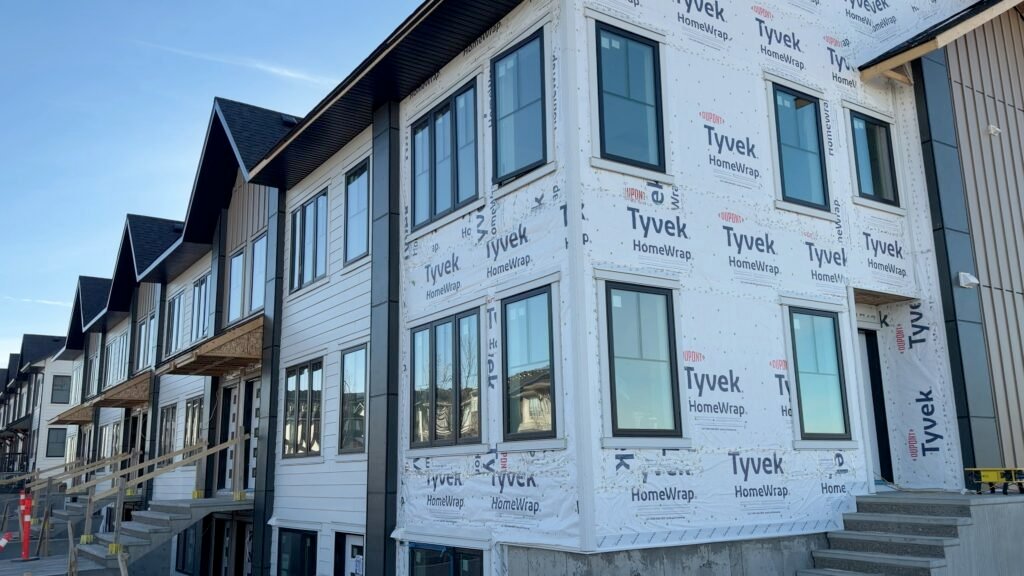
The second thing is attention to detail. Builders have learned to tape seams and to install water-permeable air barriers that form an unbroken barrier around the exterior of the home.
The savings here are significant. Net-zero-ready labelled homes allow 1.3 air changes per hour or less. Some builders have brought this number down to 0.5. Worried about fresh air? The ERV provides literally as much fresh, filtered air as you want.
Building Envelope – Insulation
In the old days, homes were built with 2×4 walls and little or no air barrier. They were leaky, and you could see frost around your plug outlets on outside walls.
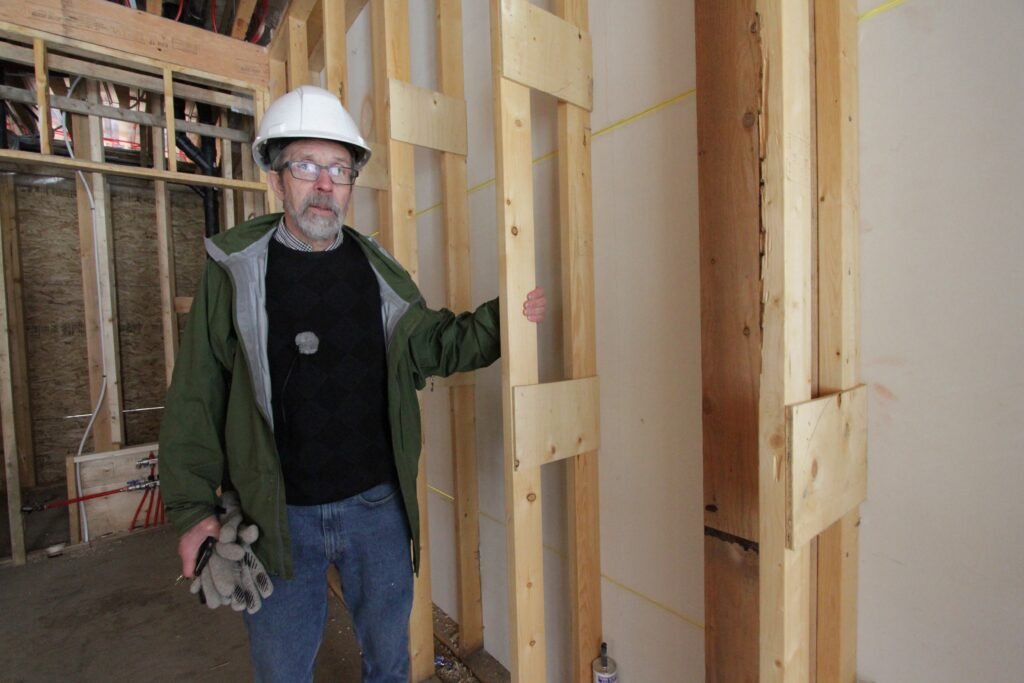
The custom builder net-zero pioneers like Peter Amerongen favoured double-wall systems between 12 and 16 inches thick. The walls were stuffed with insulation such as cellulose and reached insulation values of R45 or higher.
Once the production builders got involved, they plugged all the numbers into spreadsheets to find the least-cost way of getting to net zero. They measured the benefits of more insulation against other innovations in order to optimize the benefits.
These days, many of the net-zero builders we’ve seen are using a standard 2×6 wall with R22 insulation and 1.5 to 2 inches of EPS foam insulation on the outside. These walls typically reach a value of R30, more than double that of old 2×4 walls.
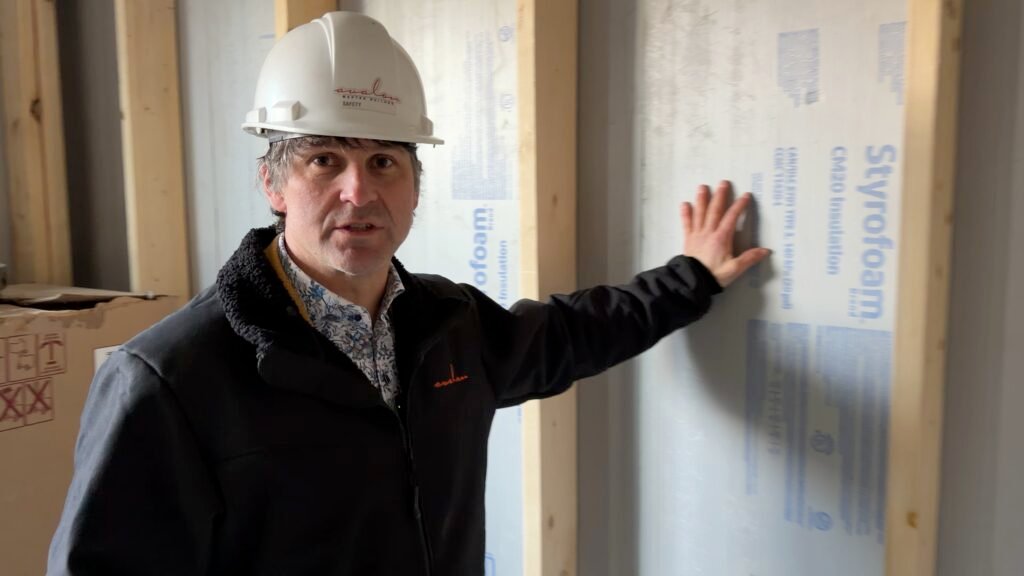
The foam insulation on the outside makes it very easy to make the home airtight with a water-permeable air barrier.
But that’s only part of the secret sauce. Most net-zero builders also add 2 inches or more of insulation beneath the basement slab, which in turn is connected to the insulation in the walls, which connects to the insulation in the roof, forming an unbroken blanket of insulation around the entire home.
The basement floors of these homes actually feel warm.
Windows
Virtually all net-zero homes use triple-paned high-quality windows. This was one of the biggest opportunities for improvement in the building envelope of the home.
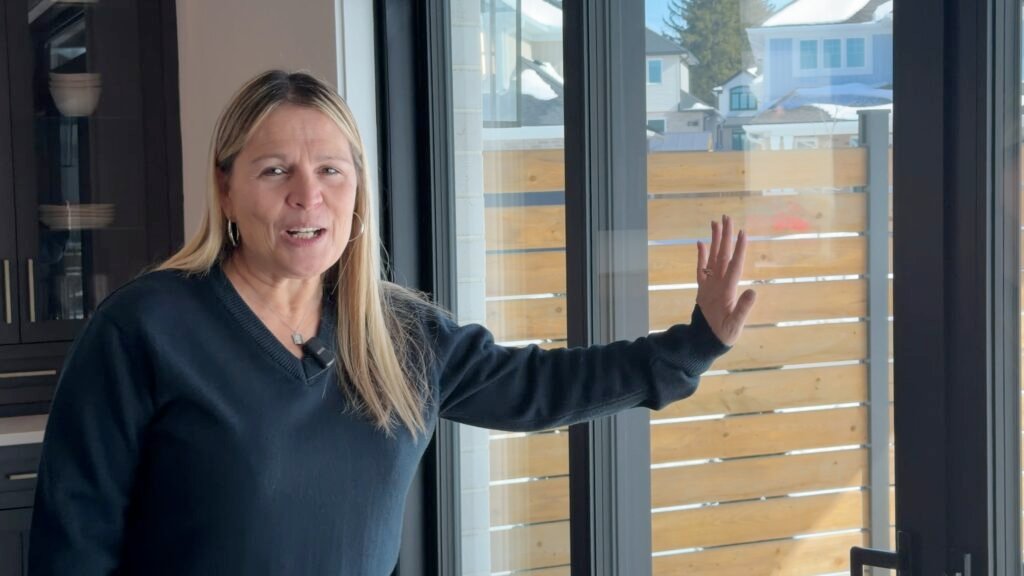
In the early days of net-zero, the custom builders actually designed their homes to harvest passive solar energy through these windows. Some installed concrete floors on the main floor to store the daytime heat in the thermal mass of the concrete. They would then build overhangs over the windows that would not allow any direct sunlight in the room in the summertime. But in winter, with the lower sun angle, the heat would stream through the windows in the winter.
In the intervening years, builders were looking for more affordable systems. Doug Tarry Homes, for example, stresses that the use of low-E glass that reduces solar heat gain helps regulate the home’s temperature, reducing the wild fluctuations that can come from too much sun.
The low-E coatings can reflect heat back into the home in the winter and reflect the solar heat away in the summer, preventing overheating. If you have ever been in a poorly designed home with plenty of glass facing south, you know how big a problem this can be.
This also allowed them to design leaner heating and cooling systems that don’t get stressed out and can easily handle all of the seasons.
Heat and Cooling Systems
One of the biggest innovations that support net-zero homes is the air source heat pump. Not so long in the past, they were rated to only -15C or even warmer temperatures.
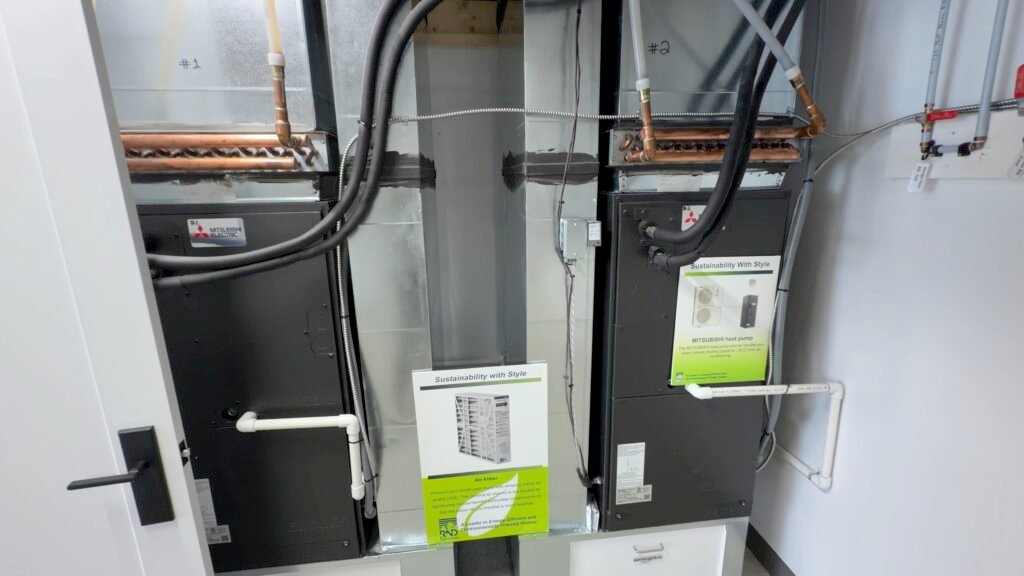
But over the last decades, many companies have come out with cold climate heat pumps, some of which are now rated to an astonishing -35 – 37 °C.
“And that’s a real game changer. We’ve even had some folks say that they’re not even using a backup furnace,” says Winkelmann.
Heat pumps electrify your heating system with technology that is up to 300% efficient when heating and up to 700% efficient when cooling. When you couple this with a home that requires up to 80% less energy, and you have a very efficient system.
Air source heat pumps double as extremely efficient air conditioners in the summertime, perfect for dealing with those ever-increasing heat waves.
Heat pumps also allow you to electrify your heating system, meaning you can use solar to not only power your appliances but also heat and cool your home as well at the same time.
Solar
Solar would have cost 100 times more if you purchased it in the 1970s. It was cost-prohibitive to say the least. But solar prices have come down so far that it is now the cheapest way to generate electricity.
Net-zero-ready homes are built to the same standards as net zero homes, but net zero homes have solar on them so they produce as much energy as they use.
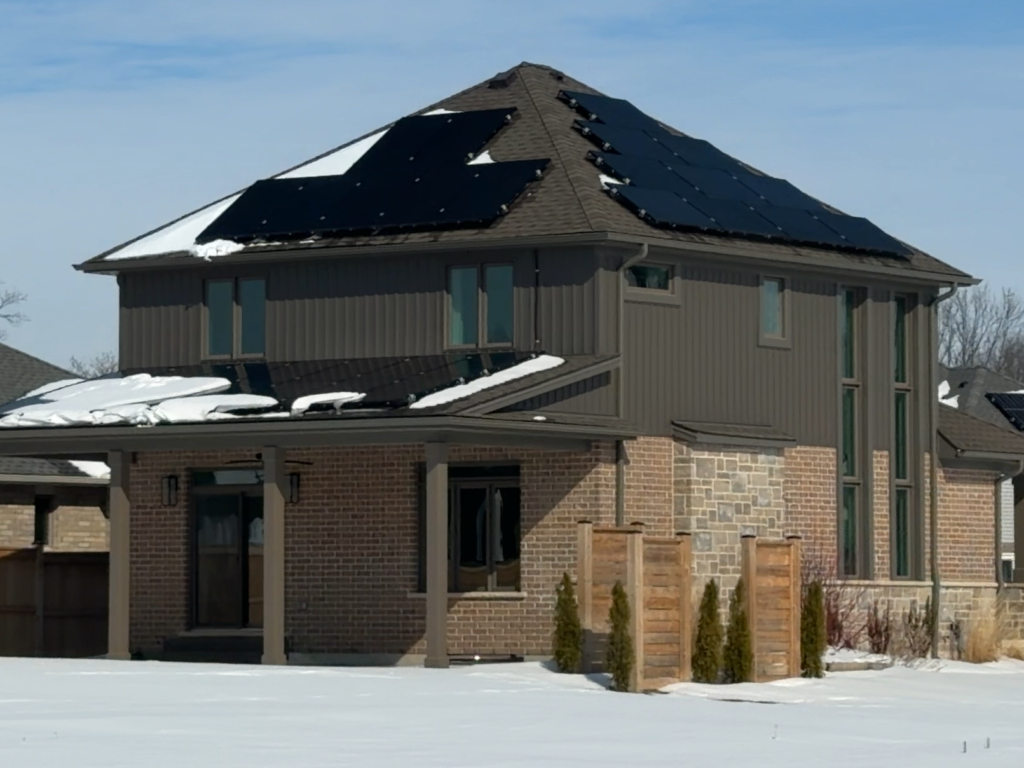
Solar can save you money on your electricity, more or less, depending on where you live and what your local regulations are.
We ran the numbers of a Landmark net zero home in Blatchford, the largest planned carbon-neutral community in Canada, in Edmonton, and the results were amazing. We found it was possible to install enough solar on one of their townhomes to not only cover all of your electricity needs on a net annual basis, but the solar could (due to favourable circumstances) generate enough revenue to cover the entire utility bill. Yup, a total utility bill of zero.
This is not true in most places not due to any fault of solar, but due to local grid policies. But almost everywhere, solar saves you money and drastically reduces your carbon emissions.
Other Cool Stuff
Those are the key features of a net-zero home, and taken together, this is why a net-zero home is so comfortable, uses utilities, and is ready for the coming heat waves.
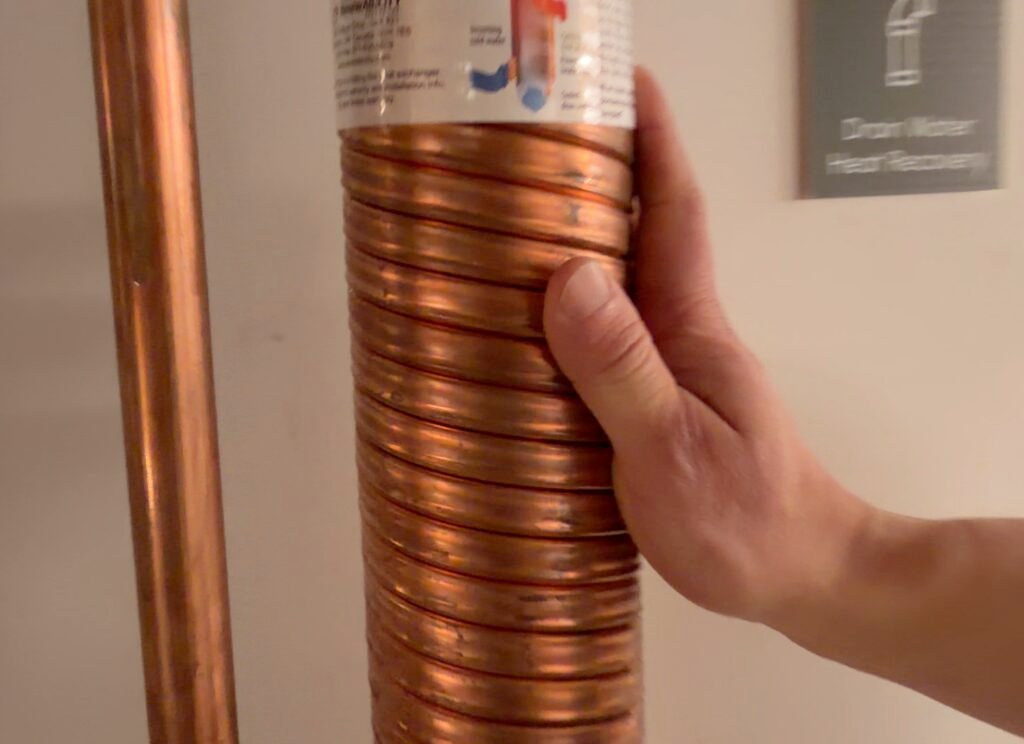
But there are many other features builders include. One such feature is a drain water heat recovery system. It is essentially copper tubing around your water drain, which harvests the heat out of your wastewater when you are showering and pumps that heat back into your hot water system.
Then there are heat pump water heaters, many of which are very efficient hot water heaters that often have electric heat backup for faster recovery. These make electric hot water very affordable.
Then there are many game-changing appliances that some builders include. One is an induction stove, which performs better than any gas or electric stove on the market. First, it’s twice as energy efficient as a regular electric cooktop, and second, once someone has had experience cooking on one of these marvels of technology, they never go back. You can boil water faster than a microwave, and you have incredibly responsive control over the levels of heat. And the cooktop never gets hot, which means you can wipe spills while cooking instead of cooking it onto the stove.
One other appliance innovation that is starting to gain popularity is the heat pump dryer, which again is very energy efficient and, double bonus, does not have a heat vent. They work more slowly than traditional gas or electric dryers, but people who get used to them love them.
There are many other features, and you should check the specs from your home builder to see what else they include, including everything from LED lights to low-flow shower heads.
Flexible and fuel agnostic
As we have learned more and more, builders are joining the CHBA Net Zero Home Labelling program at least partly due to the flexibility of the program.
The one exception that may have driven purists around the bend is that the CHBA Net Zero Home Labelling program allowed the use of natural gas.
“When we launched the program to do a fully electric home was not really easy,” says Winkelmann. “But most homeowners and most builders were very familiar with still using gas.”
I remember wincing when I heard this as I was doing a story about the launch of the program back in 2018. But it turns out this was one very key decision that allowed builders to participate with less anxiety about heating and home sales.
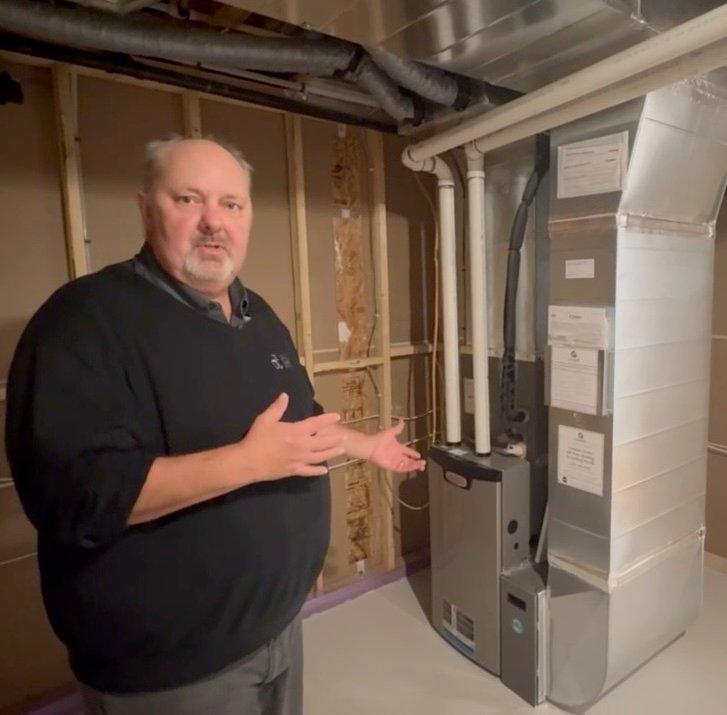
A very typical approach we’ve seen is that builders are using small, forced-air gas systems as a backup to the heat pump system and to circulate the warm air.
This is a very robust system in Canada’s cold climate. But “ultimately we are seeing more all-electric homes being labelled under our program,” says Winkelmann.
Winkelmann is already seeing a move away from gas in some regions, and builders and home buyers alike are wrapping their heads around the idea that you may not need gas in a home anymore.
Doug Tarry Homes in St. Thomas has hybrid systems in many homes, but they are also building all-electric neighbourhoods with no gas lines.
As we mentioned, the cold climate heat pumps are certainly up to the task, and you may only need some backup electric heat for a few days of the year.
And the one thing that homeowners are starting to realize is that no gas line means no gas bill, which saves more than $700 per year on fixed and administrative charges you must pay before buying your first gigajoule of gas.
If energy security and energy savings are your goals, it’s the holy grail.
About 99% of the homes labelled under the CHBA Net Zero Home Labelling program use heat pumps as their primary source of heat, and if they have gas, it’s used for backup heat just a few days or weeks of the year as well as water heating for about 75% of the homes
Some builders are also using geothermal, the Cadillac of electric home heating systems.
It’s an evolution that is happening in real time out there today.
If you are like me and have been watching the evolution of net zero homes, these are heady, exciting times. The technology is amazing, the homes are some of the best ever built in Canadian history, and they are ready for a future world of energy shocks, climate change events, and best of all, these homes will be easy on your pocketbook for the life of the home.
Canadian moments in net zero history
There are many varieties of energy-efficient homes in Canada. We’ve done stories on straw bale net zero, Earthships, and even the first net zero church and social housing project in Canada.
There are some cool neighbourhoods: Zibi in Ottawa and Blatchford, the largest planned carbon-neutral community in Canada, where Landmark is building net zero homes.
And then there are the retrofitters taking incredibly inefficient older homes and taking them all the way to net zero. The most dramatic project in Canada we’ve seen was Peter Amerongen’s retrofit of 59 units in the Sundance Housing Cooperative in Edmonton to net zero, a massive project inspired by the EnergieSprong approach pioneered in Europe.
Buildings are responsible for 13% of Canada’s GHG emissions, and residential buildings account for 47% of that total. Although getting new homes to net zero paints a bright future for buildings, we still have a legacy of millions of homes and buildings that are very inefficient and will still be standing 50 years from now.
There are 16 million residential buildings standing in Canada today. They represent 6% of Canada’s total emissions, and the majority of the emissions are produced by heating and water heating.
The CHBA Net Zero Home Labelling program also works with retrofitters who are working on this very significant portion of the market. Success will most certainly require support (programs and funding) from the government to be successful.
Interest in upgrading older buildings to net zero is growing, and retofitters like Peter Darlington at Solar Homes in Calgary is quite busy these days.

Get ready for our series, Chasing Net Zero.
We will feature the stories of 10 to 12 inspiring builders across Canada over the coming months and share with you the amazing homes they are building.
Our series kicks off in a few weeks with Land Ark Homes in beautiful Westport, Ontario. Steve Roulslton wanted to build awesome homes, but faced the challenge of going straight to net zero after he started developing land there that had no gas at all.
“We could have buried propane tanks,” says Roulston, “but that would be like going back to the dark ages.” Land Ark learned fast and is now building an entire community of net zero ready and net zero homes.
Next up in our series, we will travel to St. Thomas, Ontario, home of the Dumbo the Elephant Life-size memorial statue. Doug Tarry Homes has been around for 75 years, and Doug Tarry Jr. caught the net zero bug more than a decade ago.
We will trace his journey to building better homes from the early days when his company started building every home to an Energy Star level of performance, and then almost a decade ago, realized they were just a few steps from net zero.
Today, every single home Doug Tarry Homes builds is at least net zero ready.
We will feature these and many other inspiring stories of these builders who are building the homes of the future today.
We are producing our Chasing Net Zero series in collaboration with the CHBA Net Zero Home Labelling program.
Get ready to be inspired.
Get ready to see your future home!
