
CHASING NET ZERO SERIES
By David Dodge, GreenEnergyFutures.ca

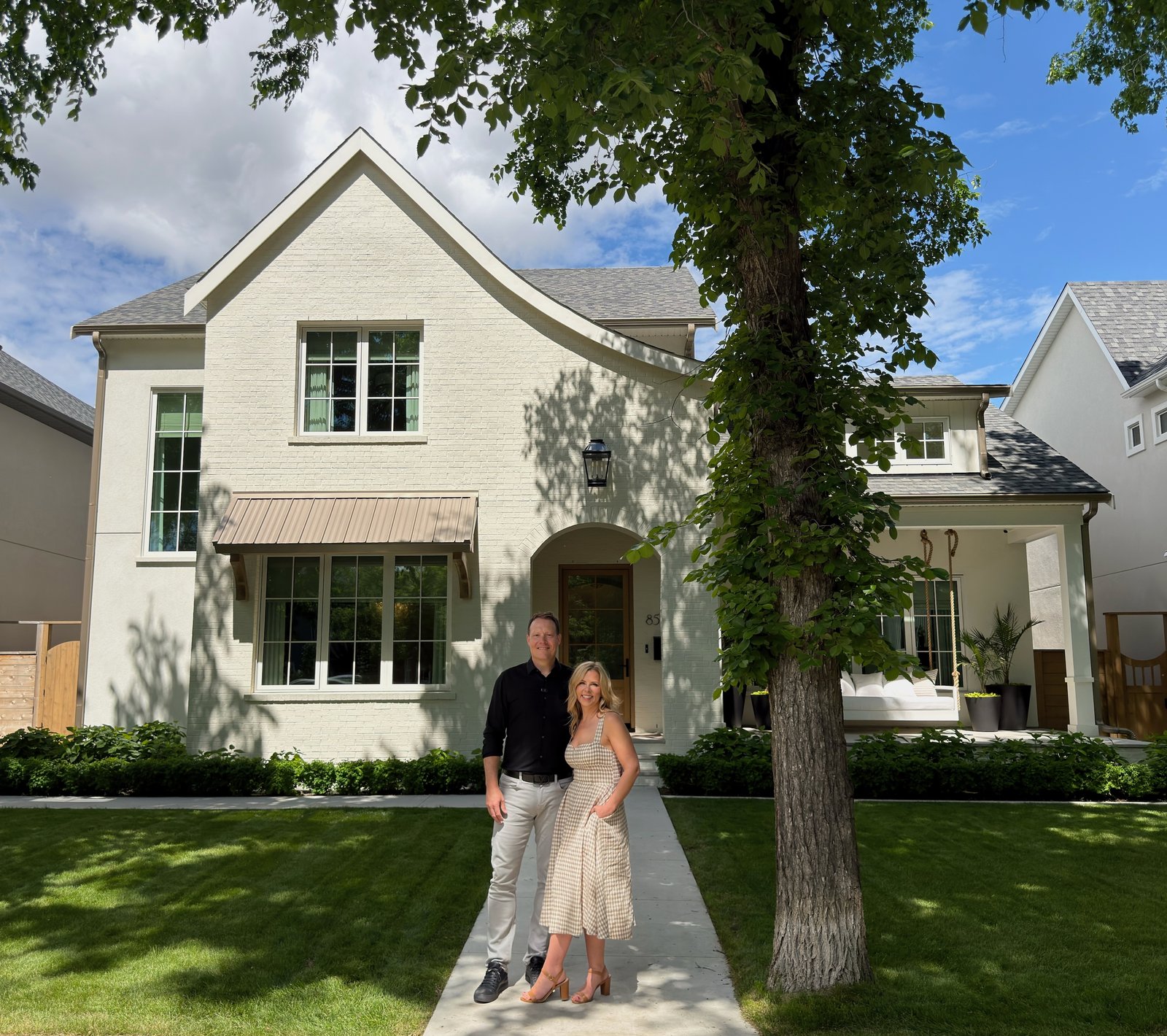
For Jilaire and Andrew Wagner, building homes is in their blood.
Her parents owned a lumberyard, and his Dad built homes; as Jilaire explains it, special occasions in the Wagner family are “Christmas, birthdays, and construction deficiencies.”
Jilaire says they were going through 17 years of photos the other day, and the photos are an eclectic mix of family occasions and home-building photos.
The couple founded Maison Design Build, a homebuilding company in Saskatoon, Saskatchewan, and as of today, they’ve built more than 120 homes; six of the more recent homes are fully net-zero homes.
That’s today, but their journey to net zero began early on.
“I think when we were starting Maison, that was definitely the mindset. We had started building for ourselves, basically right out of school as a way to earn sweat equity,” says Jilaire.
They were in the process of moving to Alberta at the time, and “we realized the price of housing was not affordable,” says Jilaire.
So they began building their own homes. And over time, they built 5 to 6 homes in two cities before they had kids and another 4 to 5 homes after having kids.
The couple learned a great deal about what makes a home great, and on top of that, the seeds for building super energy-efficient, net-zero homes were planted early.
Inspired by Passive House Pioneers
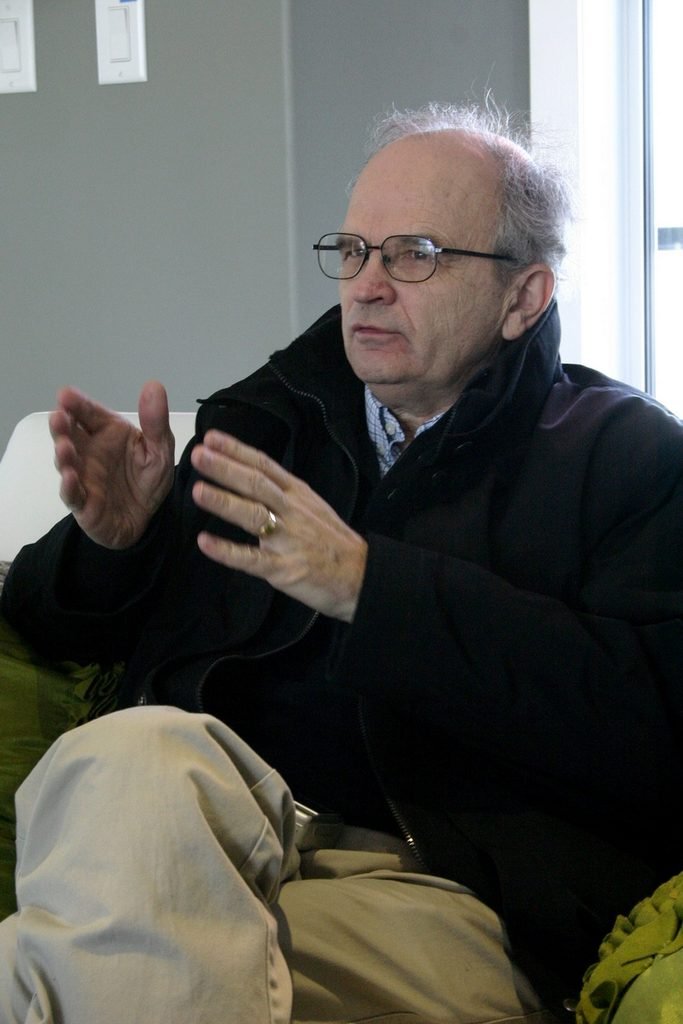
“I took mechanical engineering here at the University of Saskatchewan,” says Andrew, “and in third year, we actually had a presentation by one of the pioneers in the industry, Rob Dumont, and he instilled this kind of bug with me to be looking at better ways of designing and better ways of building.”
Rob Dumont was a pioneer of super energy-efficient homes. He worked with passive house pioneer Harold Orr on the famous Saskatchewan Conservation House in the 1970s and later helped create the R2000 standard.
In the early days, they started using triple-paned windows, adding more insulation, and doing better air sealing.
“We kind of just started picking one thing at a time, and then pretty soon that became our standard,” says Jilaire.
They worked with R-2000 and the Built Green and EnergyStar standards and learned fast.
A Mission to Get to Net Zero
“I think it’s actually so wasteful not to,” says Jilaire.
Homes can last 100 years, and what you do today affects how that home will perform every year over its lifetime, she says.
“And if you don’t take advantage of it from a stewardship perspective, I actually think you’re, you’re harming our planet,” says Jilaire.
Fast forward 15 years, and Maison Design Build has built 120 homes, of which six of the more recent homes are net zero.
Their homes are much better than code-built homes, and at “0.6 air changes per hour, it’s about two and a half to three times better than what the Net Zero standard is,” says Andrew.
Maison specializes in large heritage-styled homes in Saskatoon’s historic neighbourhoods such as Nutana.
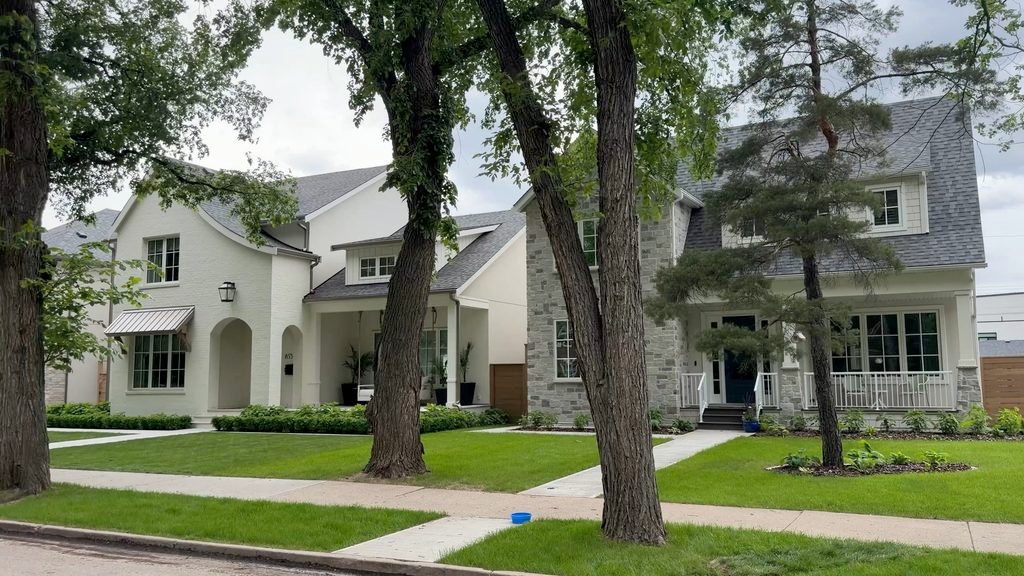
“We’ve built five in a row, and all of them have been built to a minimum of tier four of the code, and, three of them have actually reached net zero-ready or net zero,” says Andrew.
“We have taken six homes all the way [to net zero] with full solar power and the 60% reduction in energy use,” says Andrew.
Since beginning their home-building journey, the learnings have come fast and furiously. And as Andrew says, virtually all of the homes they build are either net zero ready or within a hair of net zero ready. Once you learn to build a better home, it’s hard not to do it that way.
Building Big Net Zero
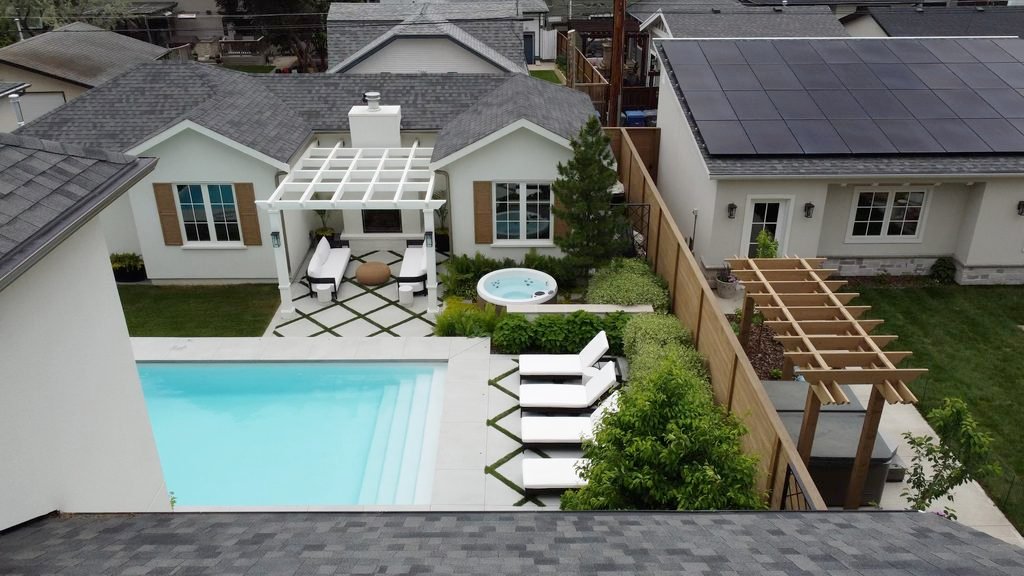
Building larger 3,000-square-foot homes to a net zero standard presents challenges.
These homes often have an abundance of appliances and things like hot tubs, which increase the energy loads of the home.
There are increased exterior surfaces from which to lose heat and architectural complexity and large windows, which also create opportunities for heat loss.
And with the higher heating demands and plug loads, it can be hard to include enough solar to take them to net zero.
But Andrew and Jilaire have embraced and overcome many of these challenges.
The Challenge of Taking Large Homes to Net Zero
“Our typical home is 3,000 square feet, plus a finished basement,” says Jilaire.
“I think what happens when you build a big house is it’s not just about the extra square footage or space, but it’s also about the extra amenities that tend to be in these bigger houses,” says Andrew.
“There’s typically more fridges, more freezers, there might be swimming pools, or deck heaters, so there’s just a lot of infrastructure load that’s there.”
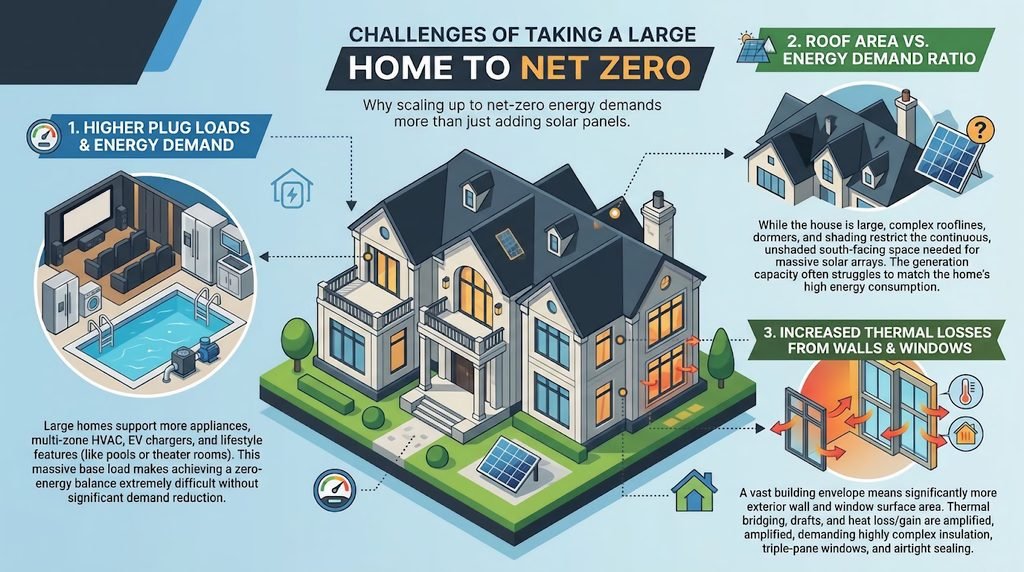
Key Challenges
- Higher overall demand for energy
- Lack of roof space for enough solar
- Increased thermal losses from larger building envelope and more windows
For Andrew part of the solution was creating a super insulated, airtight wall system that uses sprayfoam to reach incredible R44 insulation values.
We will detail this next time in part 2 of this story.
And sometimes you need to walk clients through better net zero options in a common-sense way.
A client might say, “Oh, we need this fancy boiler system because we need to put all of this heat into the concrete slab because we’re going to be cold.”
Andrew responds with a better, net-zero solution.
“The other thing we could do is we could insulate it and make it airtight, and then you wouldn’t need the boiler system,” says Andrew.
“Instead of spending $40,000 on a boiler and all of the associated piping, you can simply spend $25,000 on the insulation, and it lasts for the life of the home,” says Andrew.
I’ll never forget one of the first net-zero homes I did a story on. The builder told me, “Put your hand on the basement floor,” and it felt warm, so I said, “Is it heated?”
Nope, but it does have a mass of insulation beneath it.
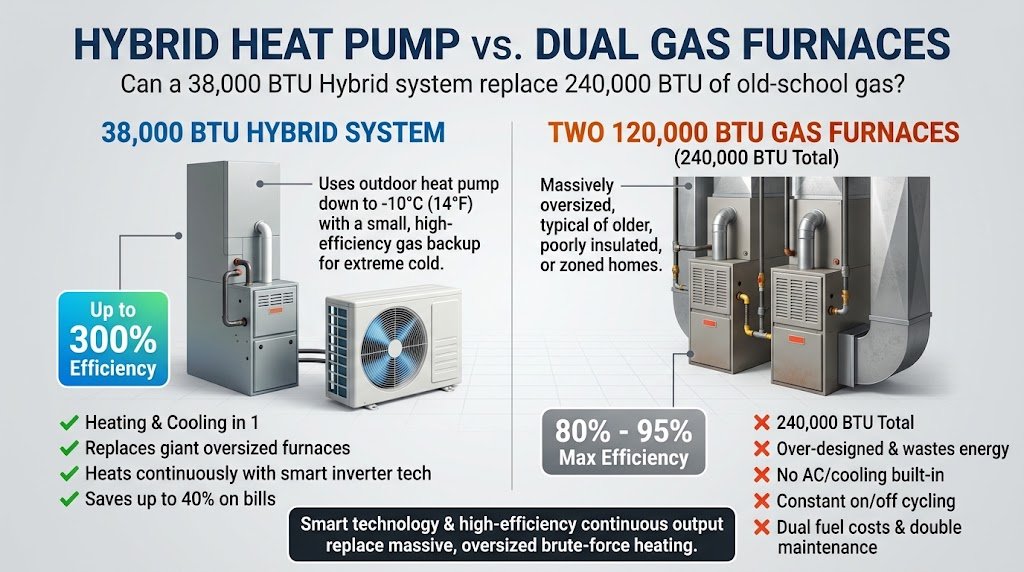
Radically Reduced Heating Loads
Andrew describes the big difference energy efficiency makes using the example of his own 3,000-square-foot net-zero-ready home.
His large home with more than 5,000 square feet of developed living space is heated by a 38,000 BTU hybrid air-source heat pump. The home is heated 80–90% of the time by the energy-efficient heat pump, with gas providing backup on the coldest Saskatchewan winter days.
“If you went back 15, 20 years ago, they would’ve put in two separate 120,000 BTU furnaces in a home like this. So you would’ve had about 240,000 BTUs of energy to heat this place,” says Andrew.
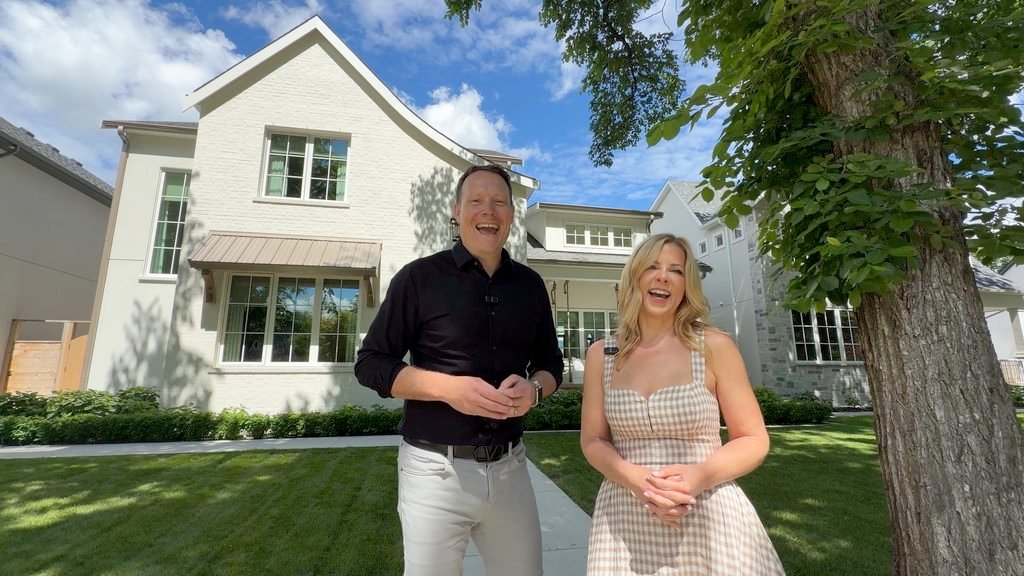
Love is Sharing a Mission
It’s been a mission-driven, common-sense journey to net zero for the homebuilding couple. And with each innovation, they’ve incorporated the ideas into their regular builds, which means their standard is edging ever closer to a minimum net-zero-ready standard.
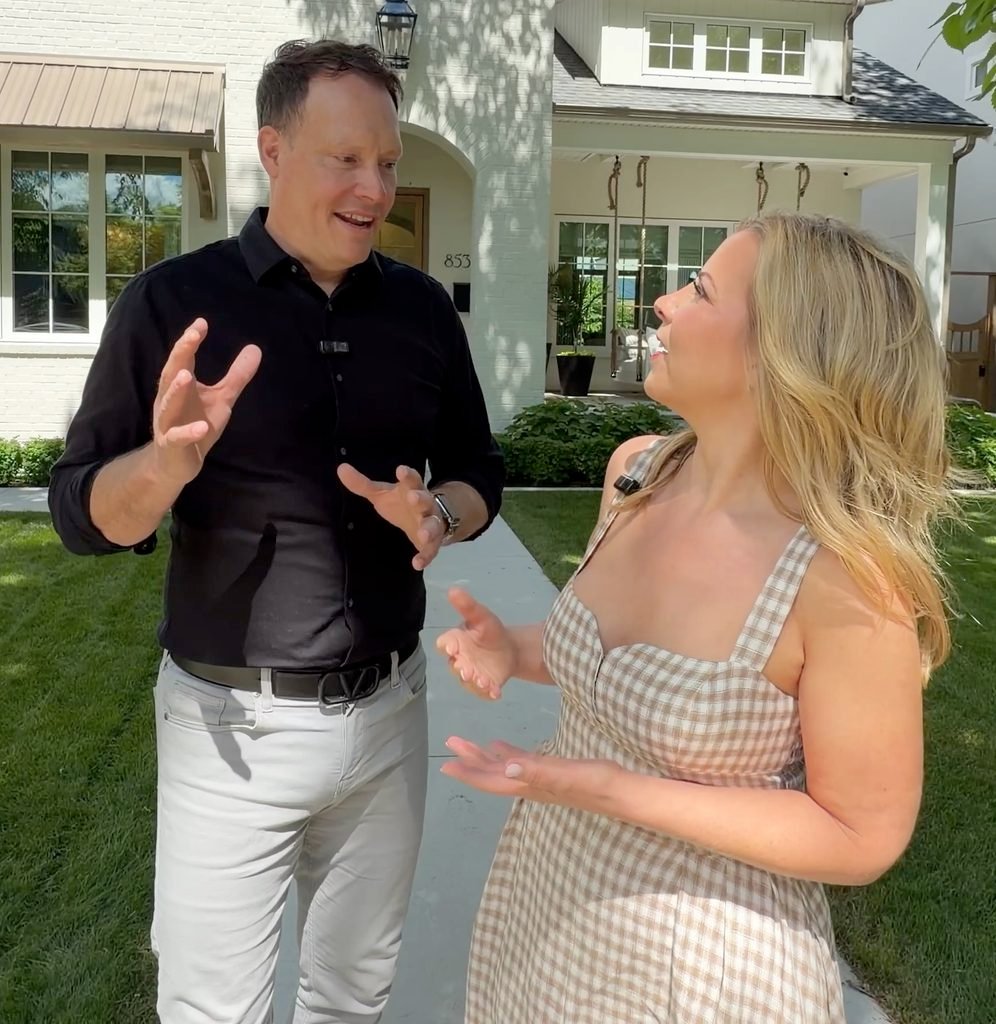
Love of building and each other began right out of school for Andrew and Jilaire and they are parents, business partners and some might think this would be stressful. I was dying to know how is the relationship going.
“I can say we never fight. That would be a lie, though,” says Andrew as the couple burst out in laughter.
“I think it’s one of those things that has really defined our relationship in many, many ways,” he says. “We’ve gone through our marriage, and work through multiple situations that are hard because we’re always working through situations in the business.”
“Both of us approach problems from a very different perspective, but we always come together with very, very similar values.”
Then Andrew turns to Jilaire and says “And so I think it’s been a real blessing to be able to, to work with you.”
Smiling, Jilaire adds “It’s been actually pretty fun. There’s been a lot of hard times, and there’s been a lot of crazy late nights and some tears when you’re stressed or overloaded.”
“I think Andrew is so technical and so strong in that element, and I’m much more intuitive and problem-solving and always looking at it through the lens of the client.”
In part 2 of this Chasing Net Zero story, we will talk about how Andrew and Jilaire have overcome the challenges of taking big homes to net zero, and as a bonus, we will offer a tour of the crazy amazing features they incorporated into their own net-zero-ready dream home in the historic district of Nutana in Saskatoon, Saskatchewan.
Subscribe to the Chasing Net Zero Series on YouTube
Subscribe to our Chasing Net Zero YouTube series and don’t miss a single episode of our series about the best net-zero home builders in Canada.
Subscribe to Green Energy Futures CKUA Radio Podcast
Also consider subscribing to our Green Energy Futures CKUA Radio podcast; we have almost 500 short, inspiring stories on people building a sustainable future.
