By David Dodge, GreenEnergyFutures.ca
With 115 homes labelled as net zero or net zero ready in Calgary, Alberta, Avalon Master Builder in Calgary, Alberta, is a leader in building net zero homes in Canada.
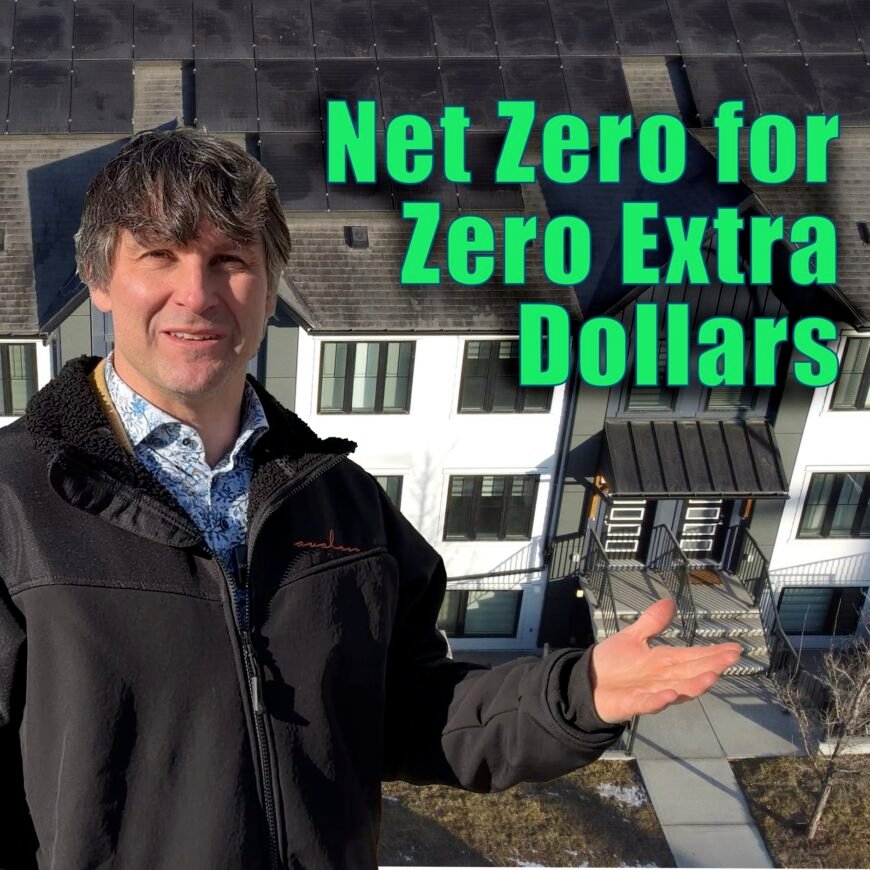
And perhaps more important is their focus on affordable net zero, or “Net Zero for Zero Extra Dollars” as Chris Williams, president of Avalon, says.
It’s not building net zero that’s the big achievement here, but building net zero affordably.
This means when you factor in the additional cost of net zero features, utility savings, mortgage insurance discounts, and favourable mortgage rates, the first monthly expenses will be the same or less than a code-built home.
Home buyers can qualify for a 25% discount on mortgage insurance if they are buying an energy efficient home.
This means you are getting a vastly superior airtight home with extra insulation, efficient mechanical systems and a lifetime of extremely low utility rates for the same monthly expenses.
Pioneers of net zero innovation
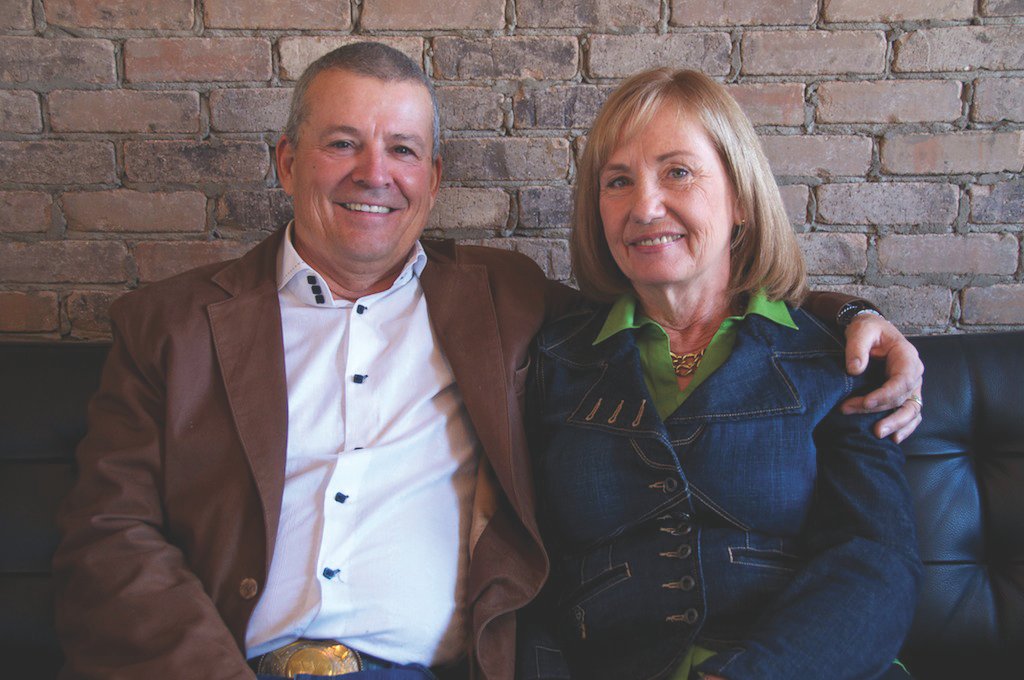
Avalon was founded by Steve and Joyce Scott in 1983 and developed a reputation for building good homes. Then, when Ryan and Christine Scott, the second generation, took over the family company, they wanted to do something new, something special.
Ryan Scott was a pioneer of net zero. He helped found the net zero coalition and the Canadian Home Builders Net Zero Council.
Then, in 2008, Chris Williams joined the company as a partner because of Ryan’s focus on finding an affordable pathway to building net zero homes.

While some other builders were complaining about the cost of net zero, these two were determined to find a way to make net zero homes make sense economically.
“It was just so exciting, and I just needed to be part of that,” says Williams about joining the company.
Then, in 2008, Avalon built its first net zero home as part of the Canada Mortgage and Housing Corporation Equilibrium program. This was a program set up to support teams building a dozen net zero homes across Canada.
“We built what was called Discovery 3, where we experimented on everything, and so it was far from affordable net zero,” says Williams.
The Equilibrium program was a key step in the evolution of net zero as we’ve learned in early stories on net zero and recent stories as well. These pilot homes were more like the starship Enterprise, showcases of sustainable technologies, but affordability was not yet a key goal in those early days.
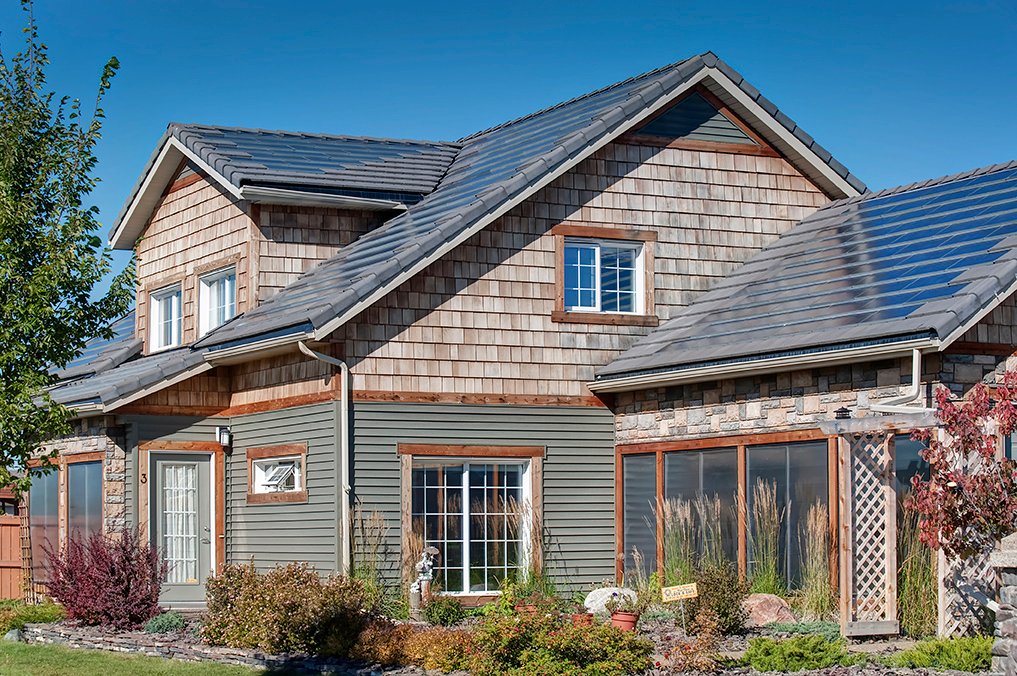
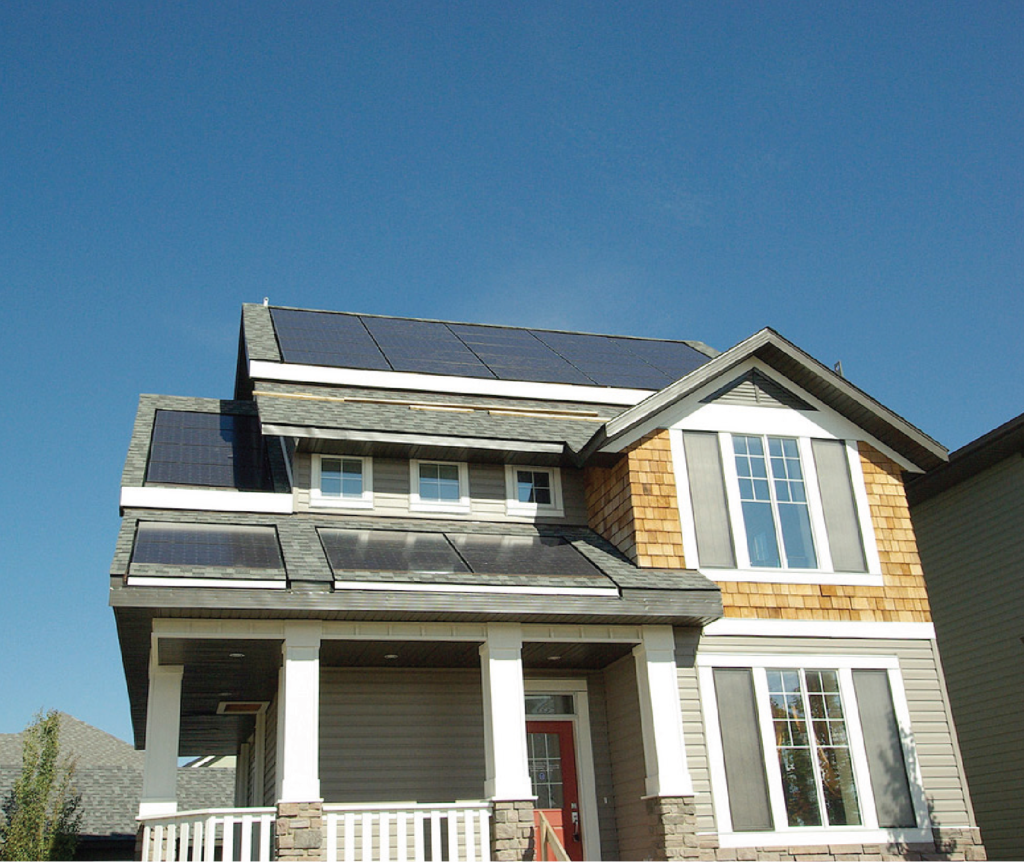
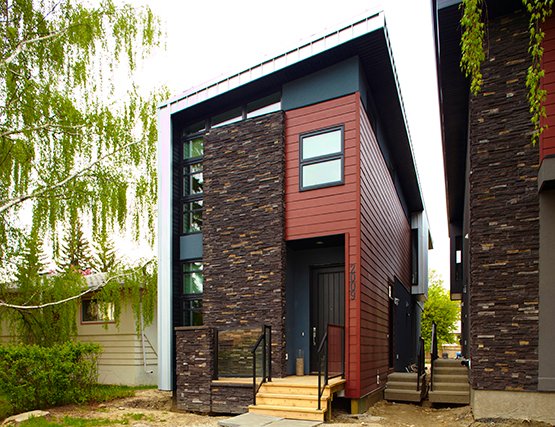
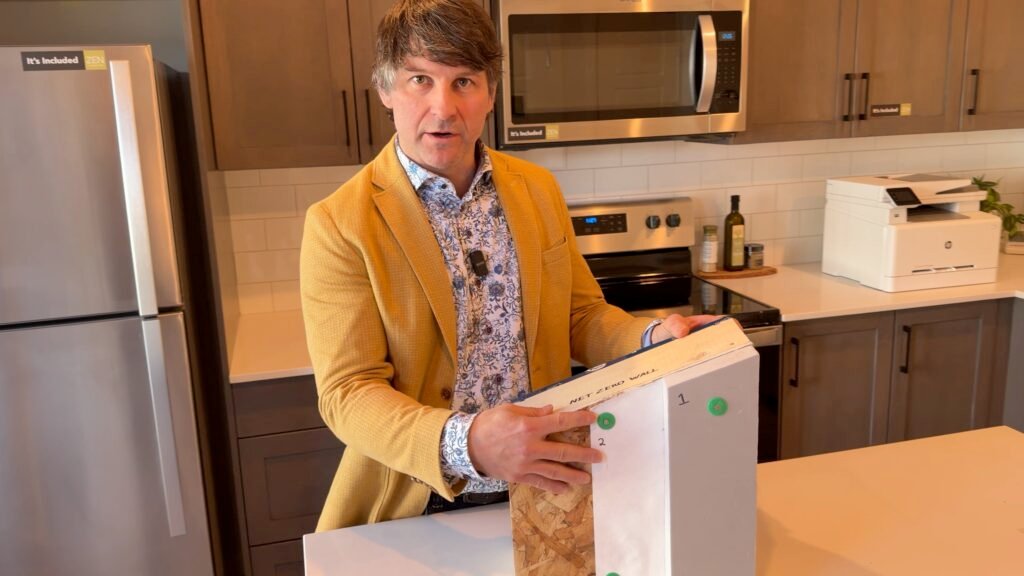
“Discovery 4 and 5 came in 2010, 2012, and after that, is where we really started to focus in on affordability and specific wall systems that we still use today,” says Williams.
Those were single-family homes and Chris and Ryan learned a lot, so they cherry-picked the best and most affordable solutions which they are now using in the affordable Livingston Net Zero townhomes they are building today.
Williams says technology has also changed a lot in the intervening years.
Cheap solar and cold climate heat pumps
The first big shift was the rapid decline in the price of solar.
“The first net zero home that we did, the solar system was six figures for an eight-kilowatt system,” says Williams. Today Avalon installs about 8 kilowatts on their stacked net zero townhomes, and the price is “a fraction of what it was.” Solar is now priced at $2.50/watt, all in or less.
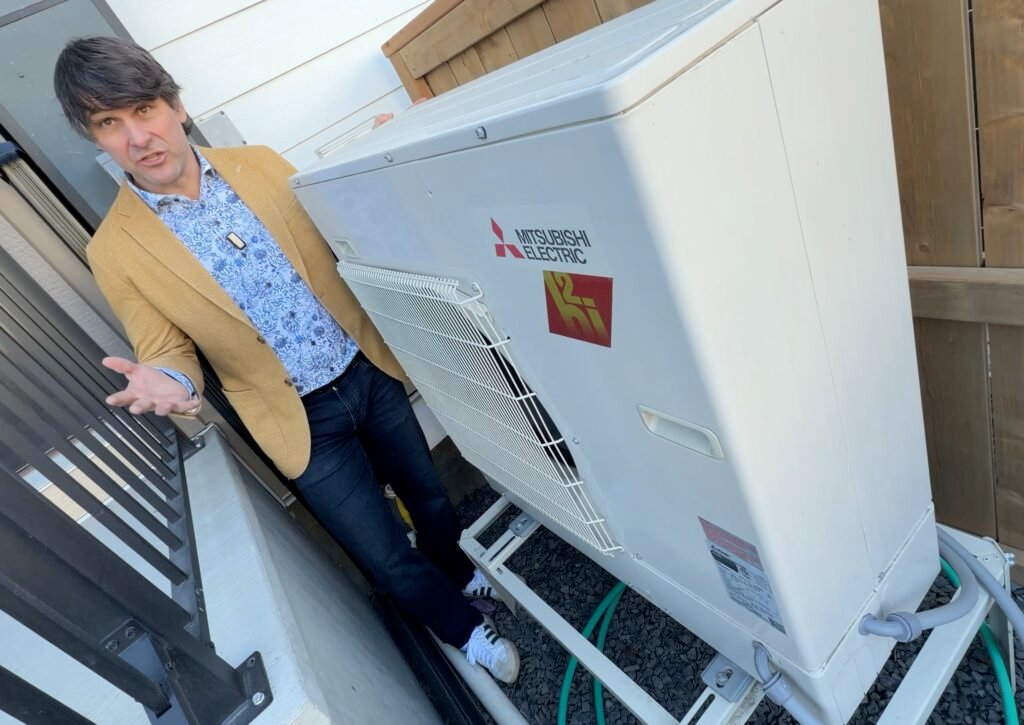
Cold climate heat pumps were also a game changer. There are now cold-climate heat pumps designed for Canadian winters that work down to -25 and even -30. And something owners of these net zero homes really appreciate is that heat pumps also deliver energy-efficient cooling during ever-increasing summer heat waves.
Affordability is the Holy Grail of net zero home building
But Williams says the most important innovation of all is affordability. Chris and Ryan chose technologies and developed walls systems with a laser focus on building the most affordable net zero home possible.
As Jamie Yolkowskie, a former building inspector who now works with Doug Tarry Homes in Ontario, told us, “You don’t have to put tons of insulation everywhere. You have to put the right amount of insulation in the right places.”
“Affordability is key,” says Williams, “And this is where we’ve arrived.”
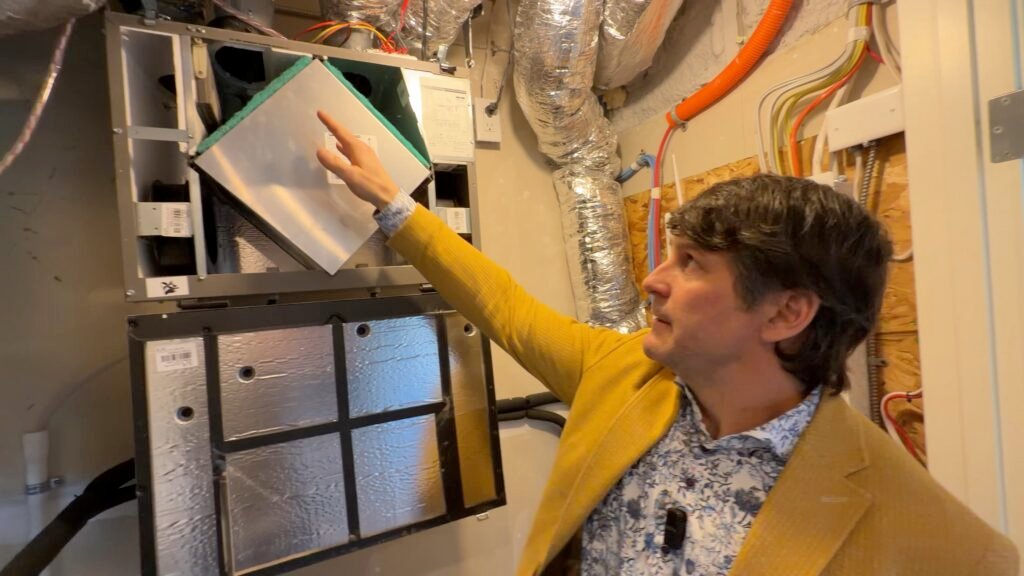
Although Net Zero for Zero Extra Dollars speaks about the affordability of net zero, Williams says after building 115 net zero-ready and net zero homes, he’s found that home buyers appreciate other benefits of net zero just as much.
“They are healthier homes. That really resonates with people,” says Williams. “They’re more comfortable homes. You can sit by that window, and it doesn’t feel like there’s a cold draft.”
“They’re just more durable homes that just by the details we need to put into them to make them net zero, they are going to last longer.”
Net zero is growing
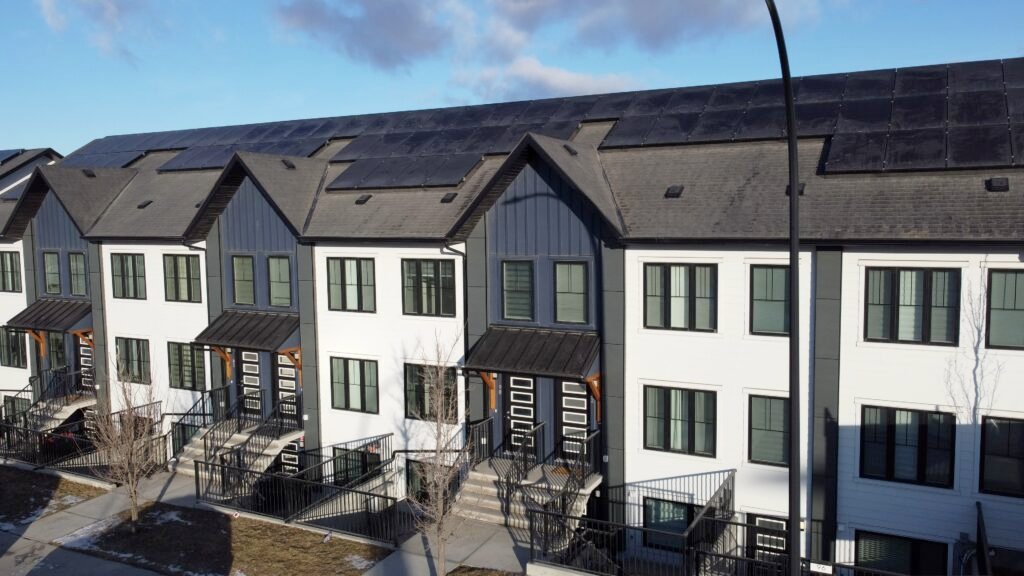
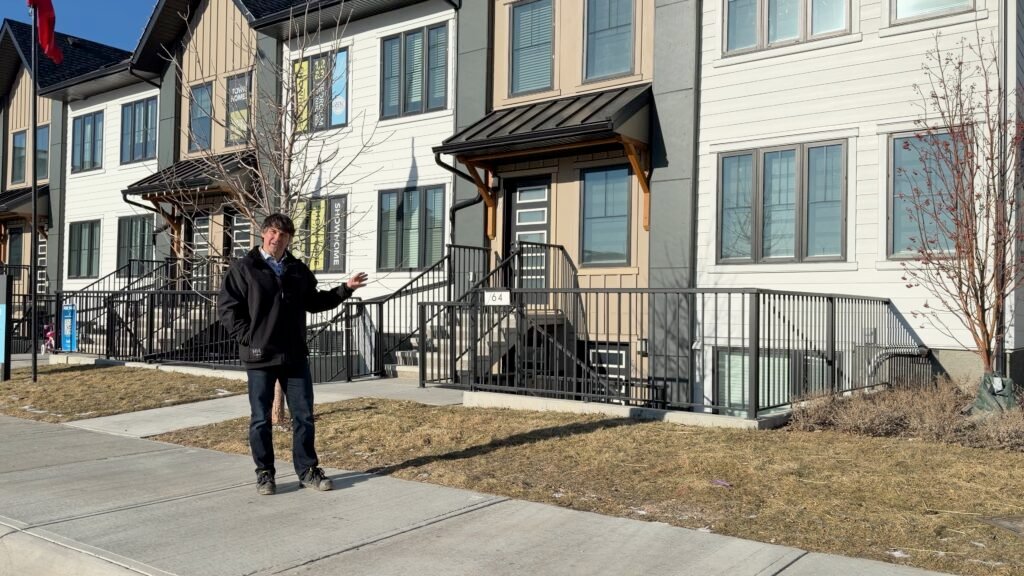
We toured Avalon’s Livingston stacked townhome project in north-central Calgary, and in this project alone, they’ve sold 14 net zero and 67 net zero ready homes.
All of these homes are labelled by the Canadian Home Builders Association Net Zero Home Labelling program.
The cool thing is that Avalon is bringing super energy-efficient homes to a market segment with buyers who probably thought they couldn’t afford net zero.
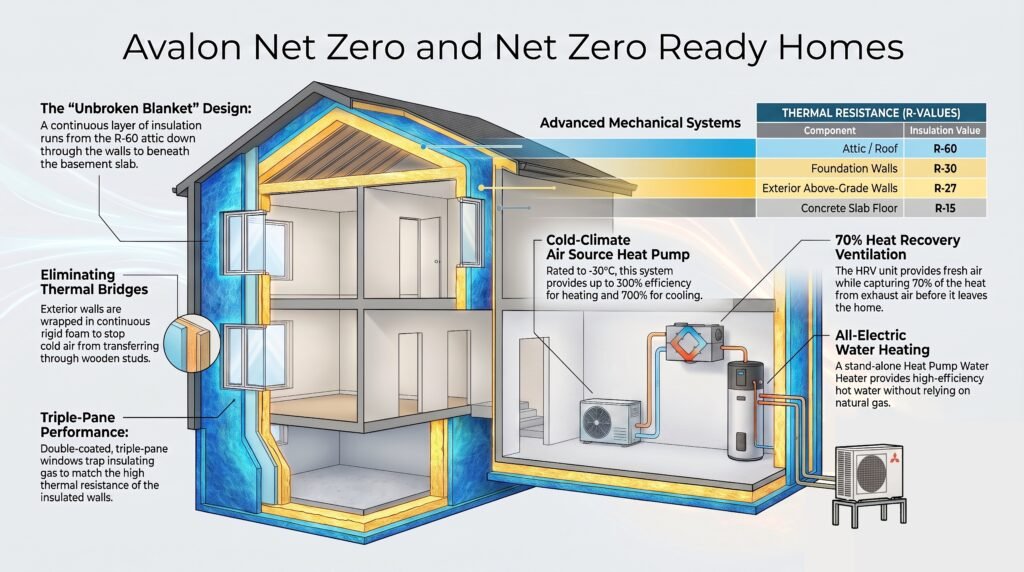
The funny thing is, homeowners are generally happier with these homes after they move in and start living with the benefits – the very low utility costs, the abundance of fresh, filtered air and the comfort of a home that stays at a steady temperature through all sorts of weather conditions.
Next time we will take a tour of Avalon’s Livingston Townhouse development in north-central Calgary to see net zero ready and net zero homes.
Chasing Net Zero series playlist – Subscribe today!
Green Energy Futures CKUA Audio Podcast – Subscribe Today!
NEW Ultimate Guide to Green Homes in Canada
We’ve brought together the ultimate guide to green homes in Canada. More than 30 stories on Earth Ships, Straw Bale, Net-Zero and even Tiny Homes from across Canada. Subscribe today and watch the inspiring stories of Canadians building the super green homes of the future that are solar powered, energy efficient and just plain sustainable homes.
Trace the roots of net-zero pioneers, Lance and Wendy’s dreams of straw bale, Darcey and Darren’s DIY net zero home, Kenton Zerbin’s Tiny Home and the pioneers of the building industry that are building affordable net zero homes today.
Subscribe, share and get inspired.