
By David Dodge, GreenEnergyFutures.ca
A new Canadian market outlook report projects 10 to 15 times growth in wind and solar energy, respectively and billions in investment in the coming years.
As renewable energy has grown in the marketplace, it has been great to follow the progress of the energy transition in market reports, but sadly, most of these are from the US or Europe.
Good market data and information help the industry grow and equip industry, investors, and governments with the information they need to grow clean energy.
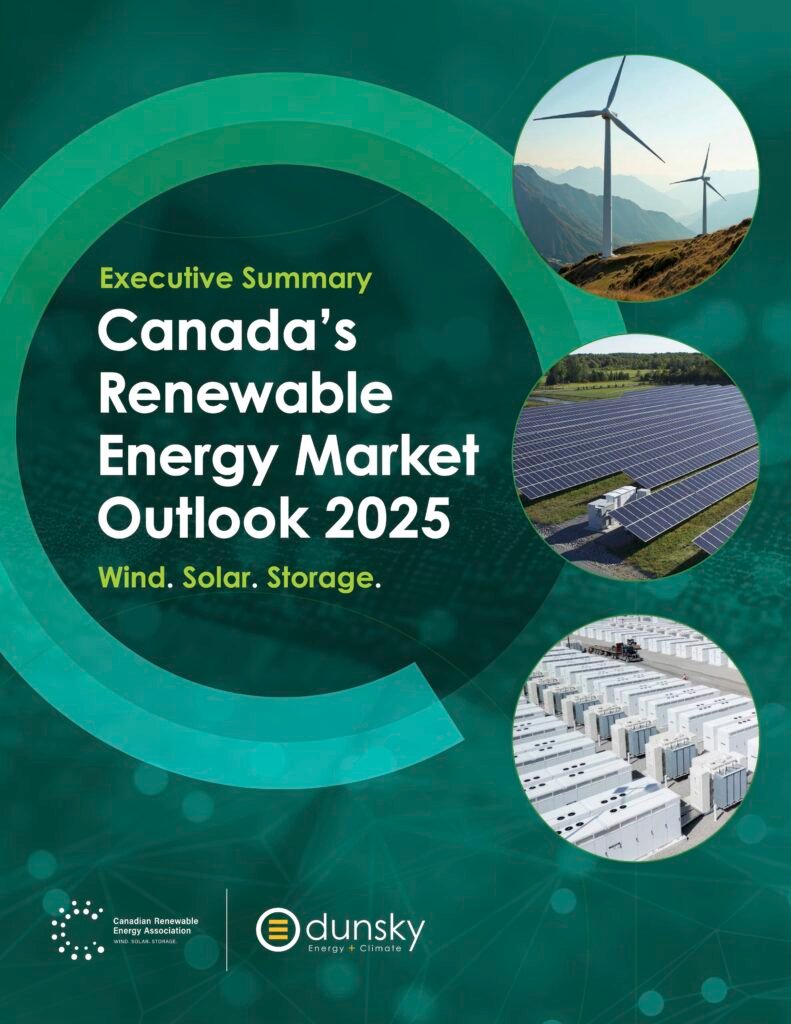
Last year, the Canadian Renewable Energy Association partnered with Dunsky Energy and Climate Advisors to produce its first Renewable Energy Outlook Report for Canada.
Report highlights investment and jobs in Canada
“To date, we’ve relied almost exclusively on US benchmarks for costing renewables in the country,” says Ahmed Hanafy of Dunsky Energy and Climate Advisors. “This report aims to try and develop Canadian costs for these technologies that are grounded in the Canadian context of the policy, financing, and tax ecosystem that we operate in the country.”
And he says another big benefit of doing this work in Canada is “There’s a broader economic story to be told around job creation, the GDP contribution, and the billions of dollars of investments that are flowing into the country to deploy these technologies.”
The report projects significant investments in renewable energy for the next 25 years.
“We’re seeing an investment opportunity worth about $150 to $250 billion over the next decade.”
Leonard Kula of the Canadian Renewable Energy Association.
This represents “an annual average investment on the order of about $17 billion per year in that period of time,” says Kula.
So we’re talking about substantial investment. As I mentioned, right now there’s probably about $31 billion of procurement underway in Canada to build new facilities.
70% of new generation to come from renewable energy
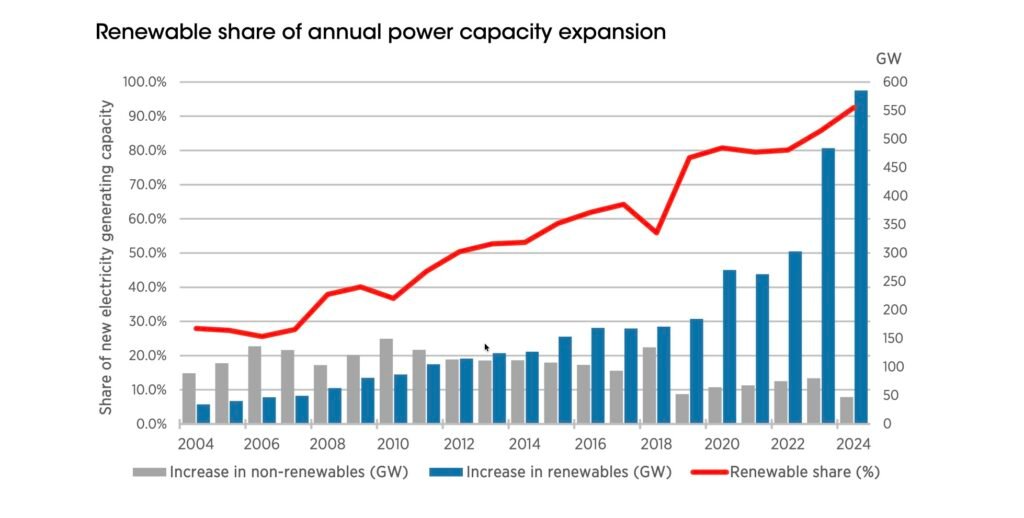
In the last few years, 90% of all new power generation installed globally came from renewable energy.
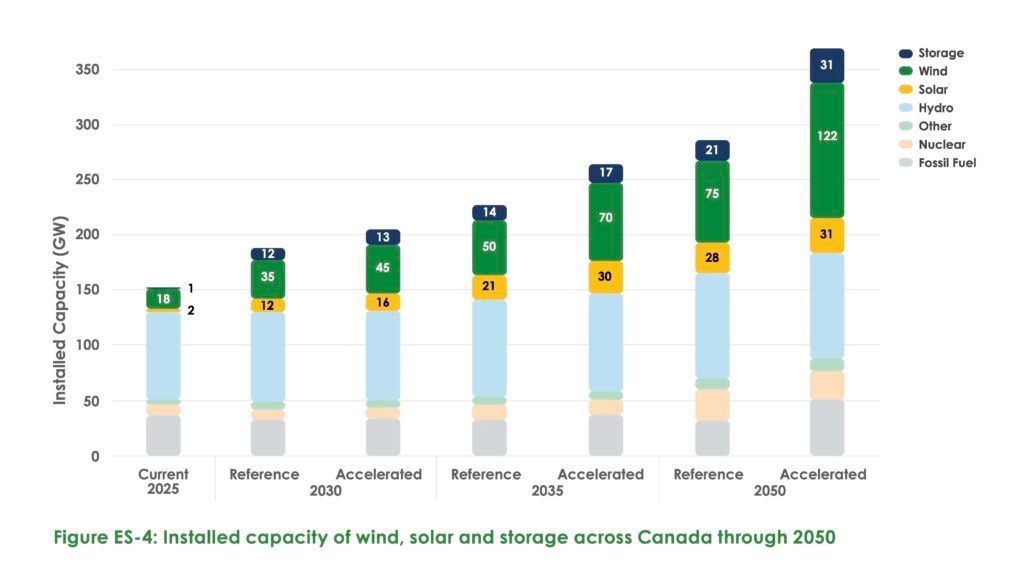
This Canadian Market Outlook says 70% of all new generation in Canada will come from renewables through to 2050.
“Looking into 2050, what we see is that to meet this doubling of load or significant increase in load, we have to increase the generation fleet from 150 to about 350 gigawatts,” says Hanafy. “And so again, 70% of that, about 120 gigawatts, is wind, solar, and storage.”
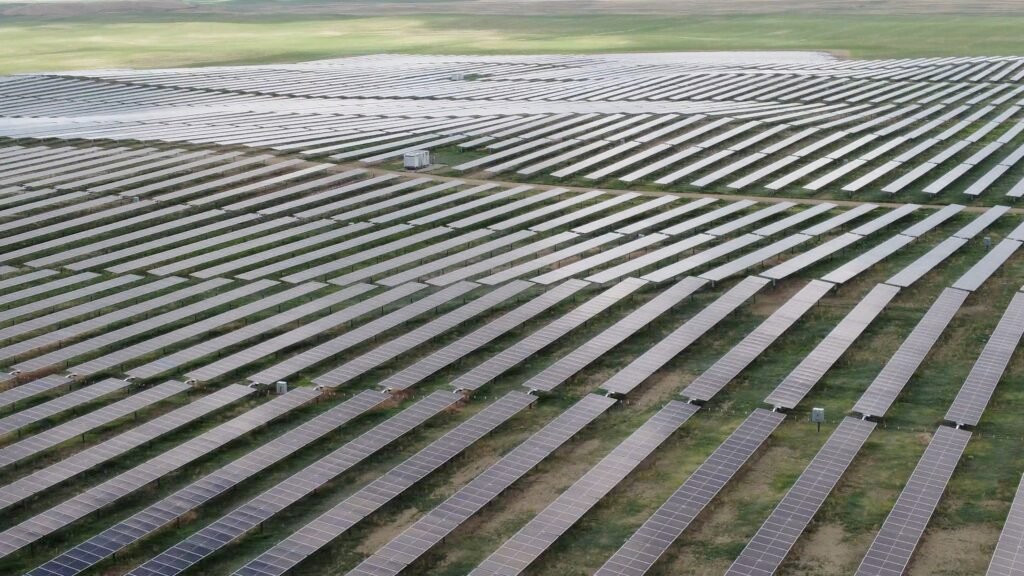
Wind and Solar to increase 10 and 15X, respectively
Hanafy says we have 18 gigawatts of wind in Canada today, and that is expected to grow to 120 gigawatts by 2050, a 10-fold increase in wind power.
Solar is presently at 2 gigawatts and is expected to grow 15-fold to 30 gigawatts by 2050.
Alberta was poised to lead the renewable energy industry in Canada until it turned against clean energy, actively putting up barriers which have turned away billions in investment.
But around the world, with trillions in investment at stake, governments are increasingly looking at investment in clean energy as an economic growth engine.
Kula says the perceptions of electricity generation are changing. “Electricity is being thought of more broadly as an enabler of economic growth. And that’s being reflected in the demand projections and in the activities to go ahead and build the resources to achieve those goals,” says Kula.
Both Hanafy and Kula say this is just the beginning for reporting on renewable energy investment and costs, and that they hope to add other technologies in the future, such as offshore wind.
This report was made for industry, investors, and government, hence the hefty price tag of $6,500, but you can download the executive summary for free.
Those in the industry would love to see much more aggressive reporting on the situation in Canada, not just for investment purposes but to promote renewable energy.
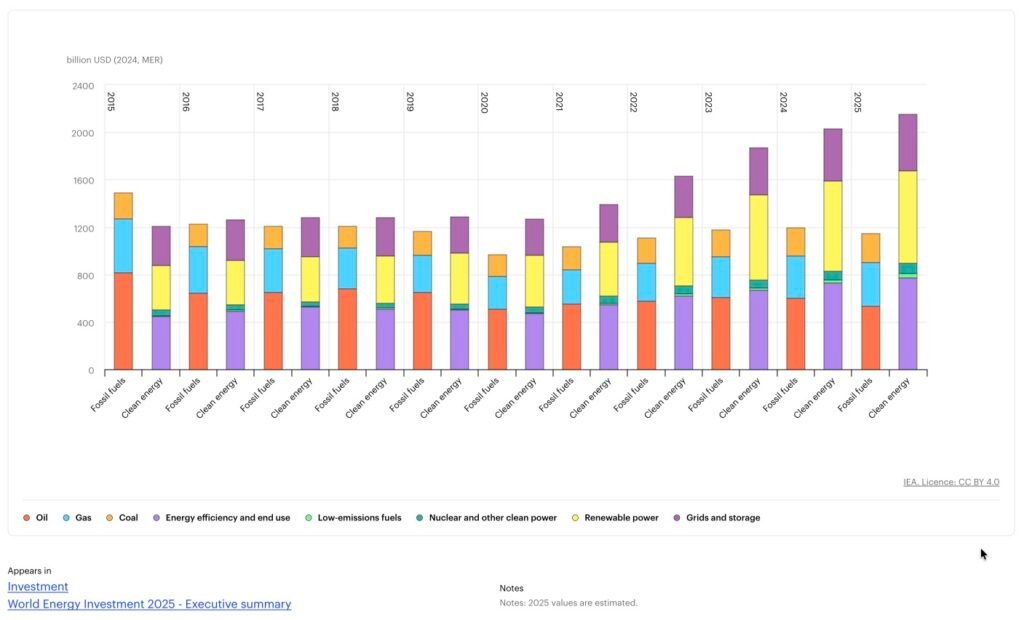
The power of data in the energy transition
The power of this information and charts summarizing data can be seen in many reports in the US. This is powerfully presented in a Canary Media story just published. “Clean energy is still winning. These 10 charts prove it.”
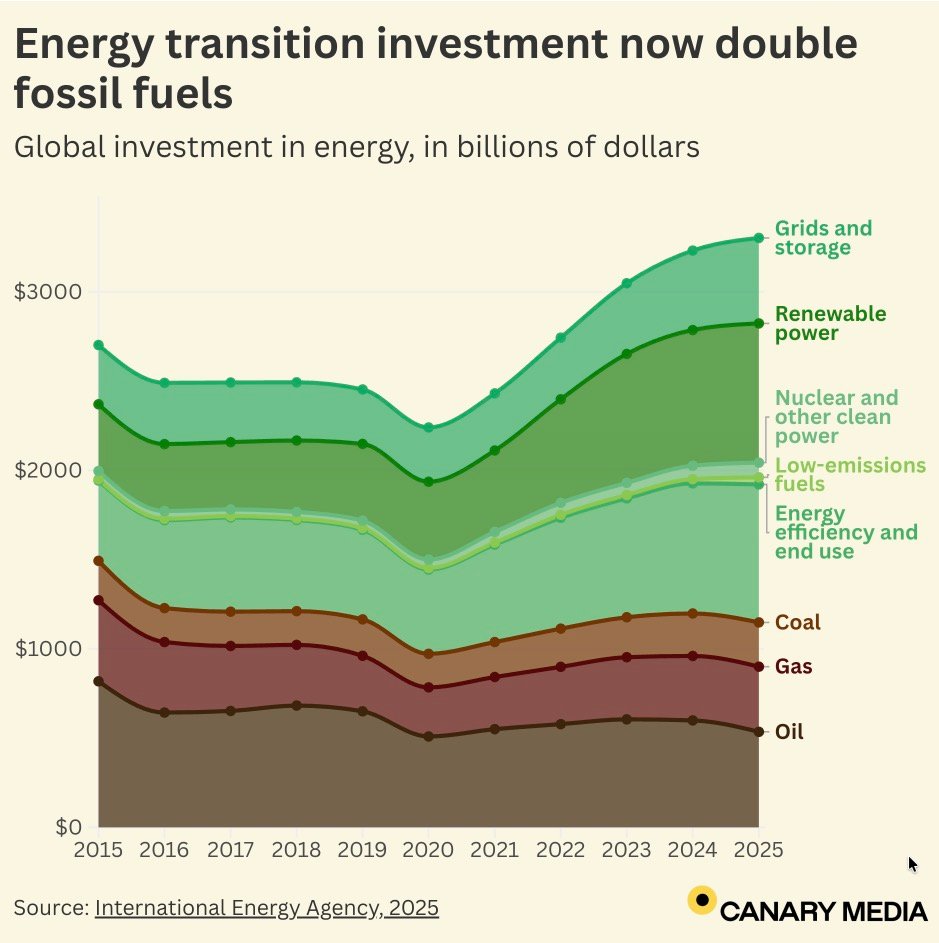
Often in Canada, we are left to scour the raw data to tell the story. In our previous story about SolarTech’s solar survey, we stumbled on the data that shows dramatic increases in rooftop solar in Alberta, for example.
Consistent reporting is also essential to address myths.
“One of the myths that continues to linger out there is that the cost of these things is very high,” says Kula.
“The cost has come down. It’s come down significantly for wind. It’s come down even more dramatically for solar. And so we are seeing those opportunities as a result,” says Kula.
