
By David Dodge, GreenEnergyFutures.ca
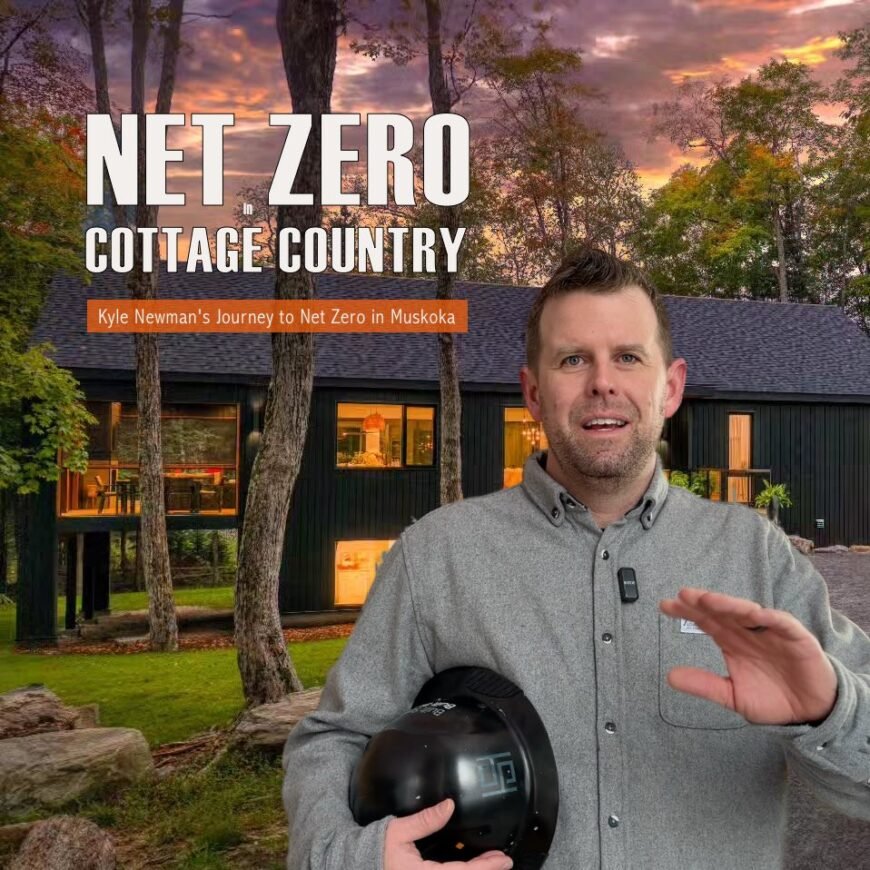
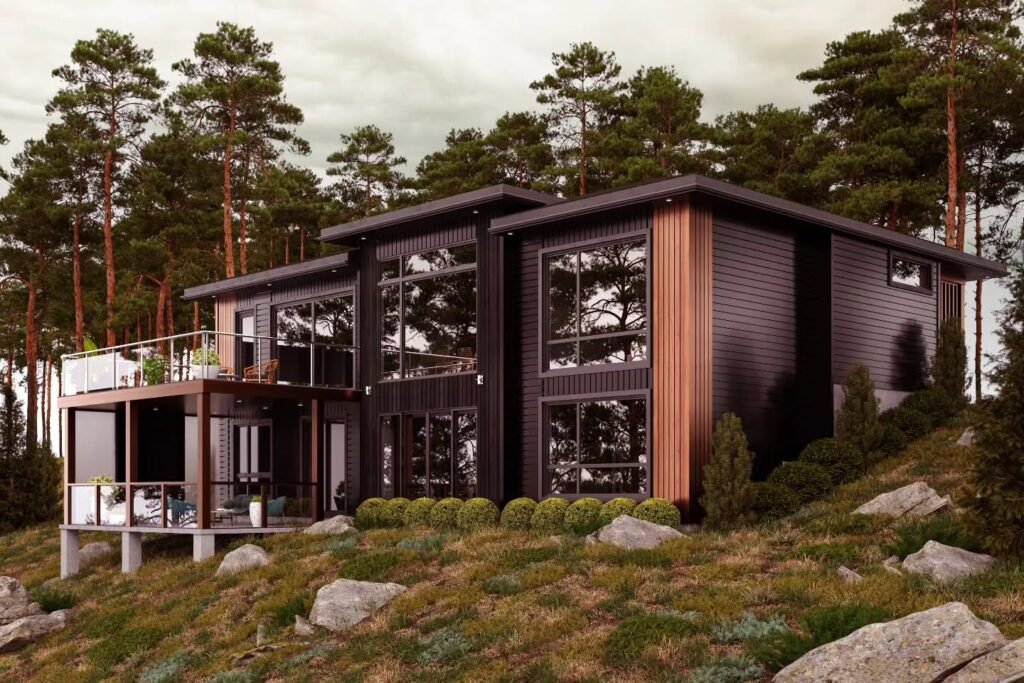
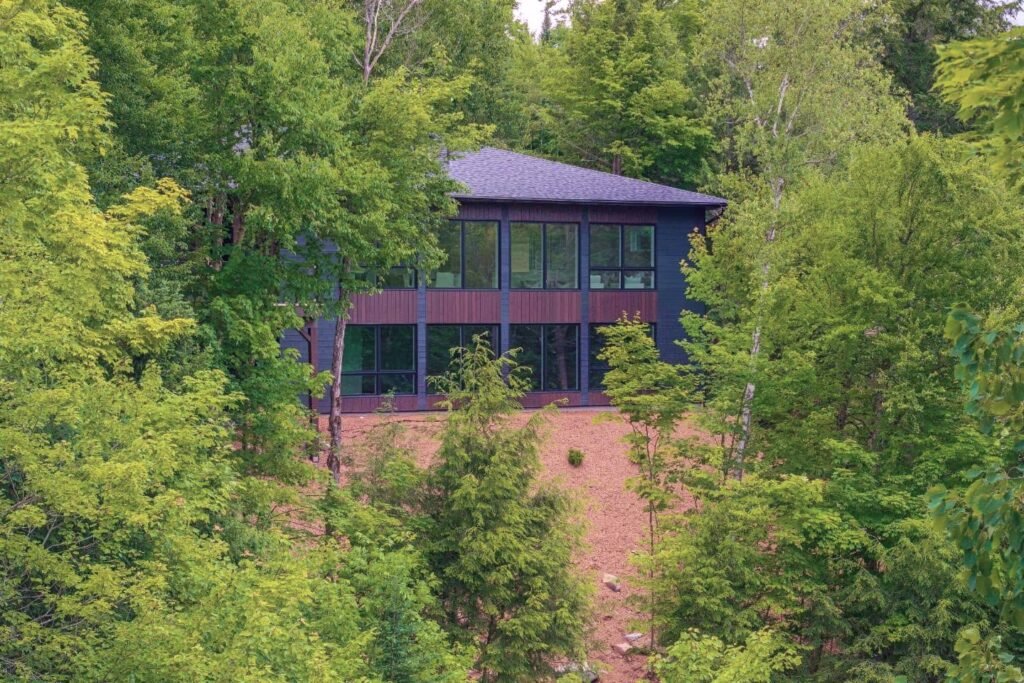
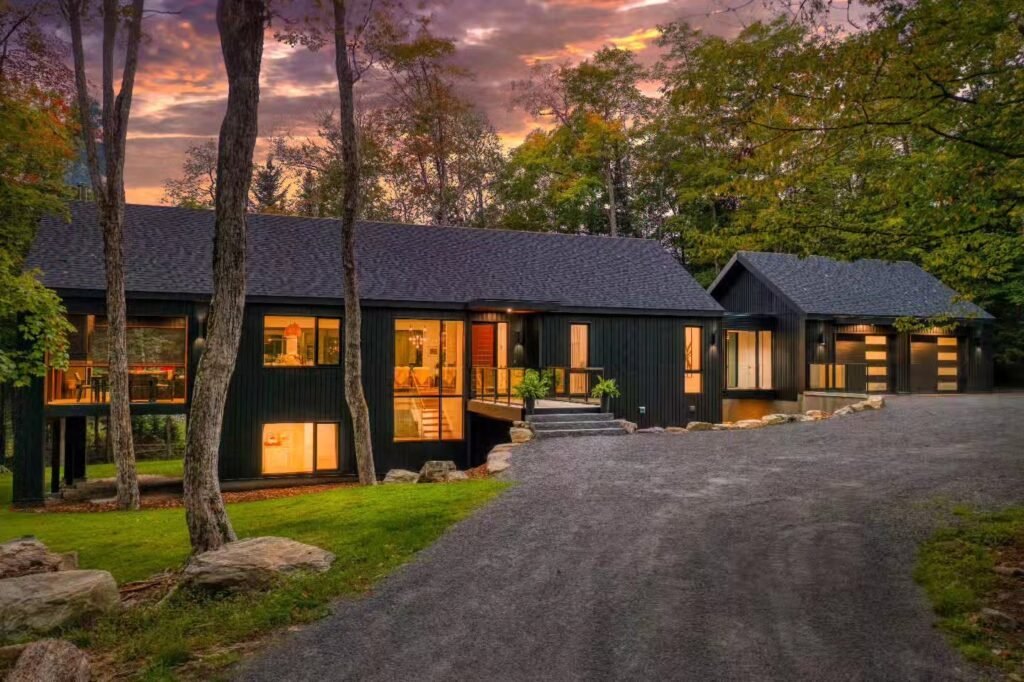
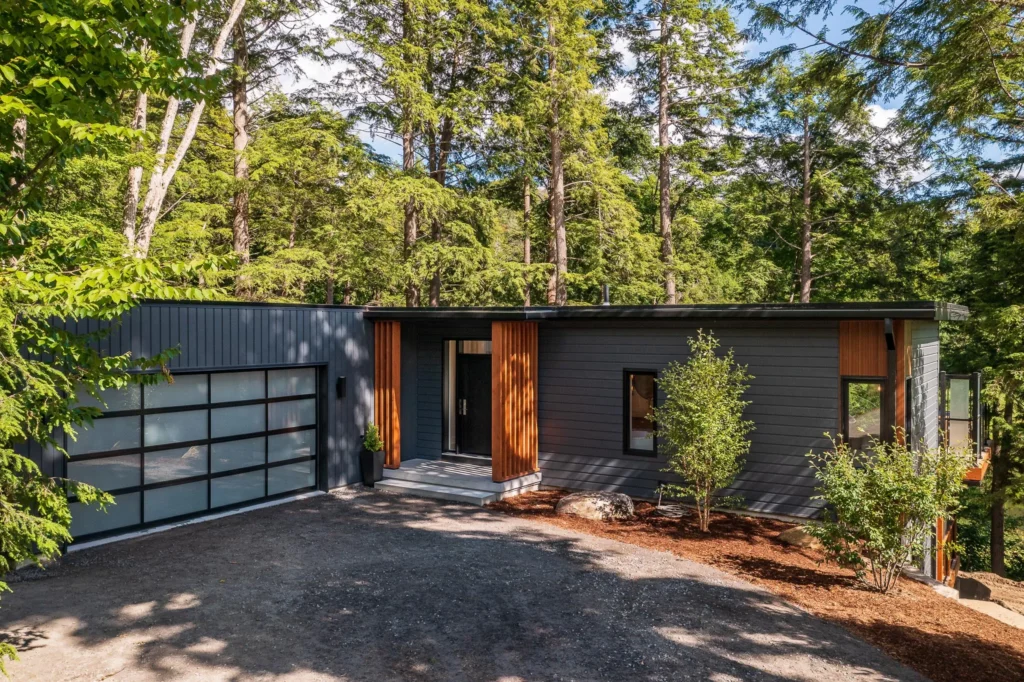
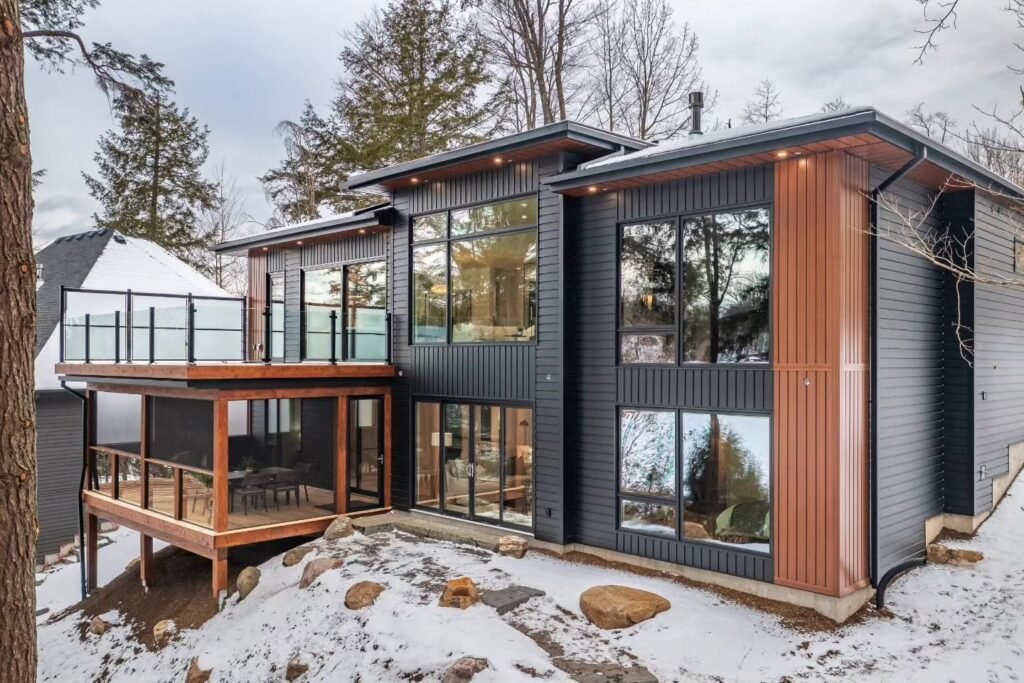
Stratton Homes is a small company that builds some amazingly beautiful homes in the Muskoka Region of Ontario, and hey, these homes are net zero ready.
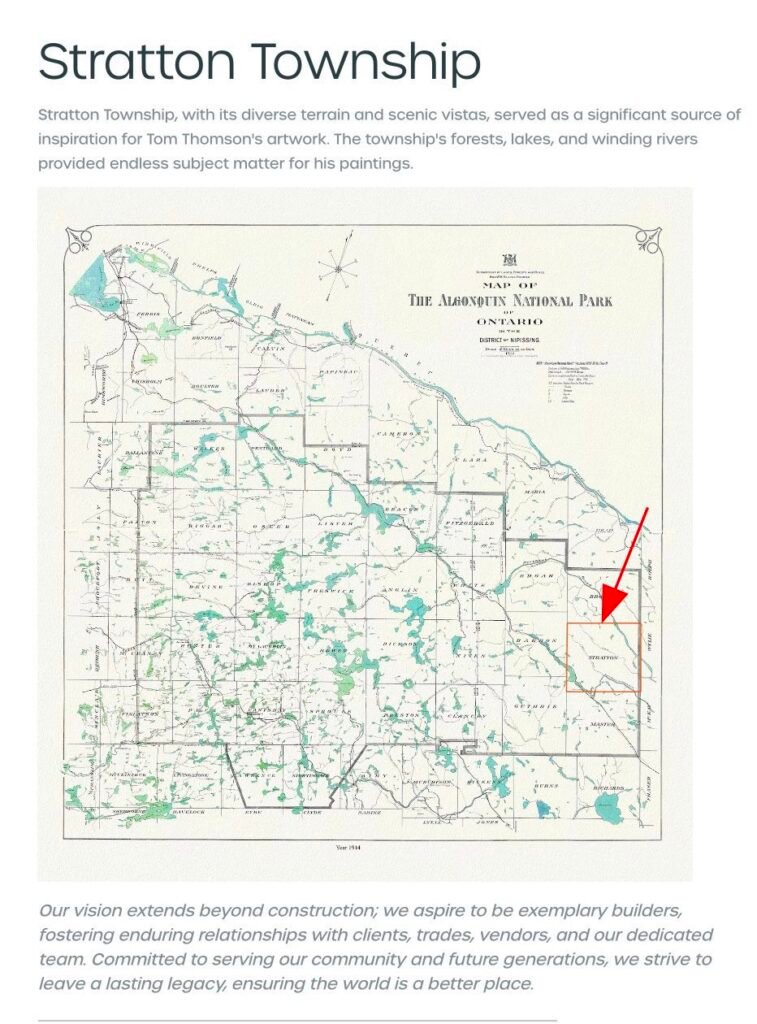
The Muskoka Region, or Cottage Country as it is affectionately known, is located at the gateway to Algonquin Provincial Park and the region is sprinkled with beautiful lakes.
Sometimes referred to as the “Hamptons of the North,” the region also has multi-million-dollar homes and has attracted celebrities such as Tom Hanks, Justin Bieber and Cindy Crawford.
The region is also sometimes called the birthplace of modern Canadian Cottage Culture, and people in Toronto will say they are going “up north to the cottage” and not to the cabin as you might hear in the West.
Kyle Newman is the CEO of Stratton Homes, and his family moved to Huntsville while he was in high school. He was born with a hammer in his hand and has many fond memories of his father experimenting with energy-efficient construction.
One With Nature Net Zero
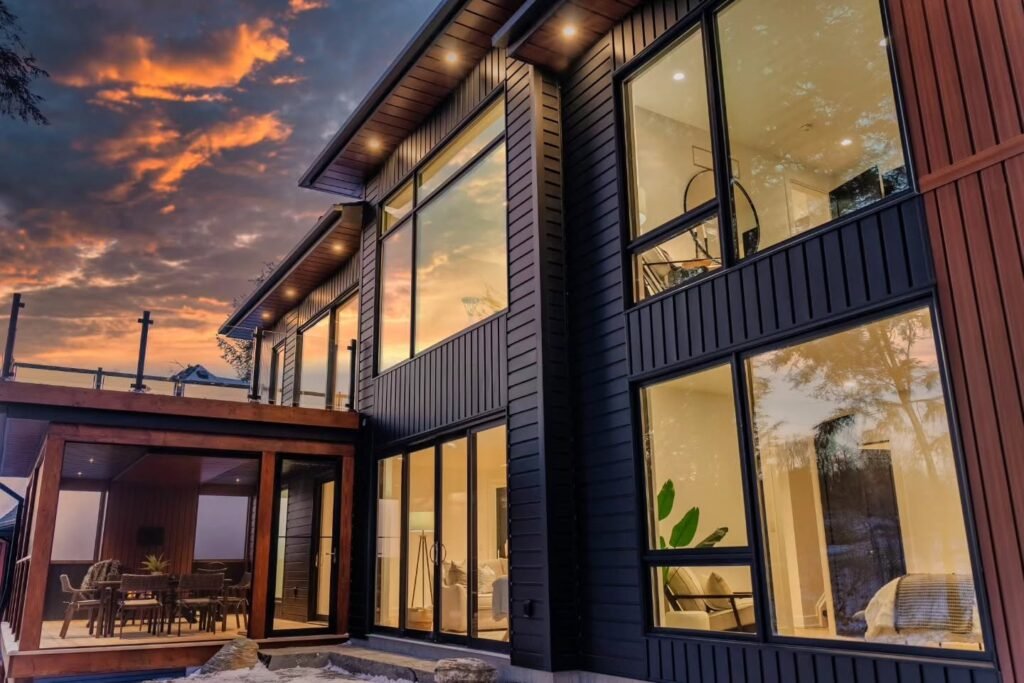
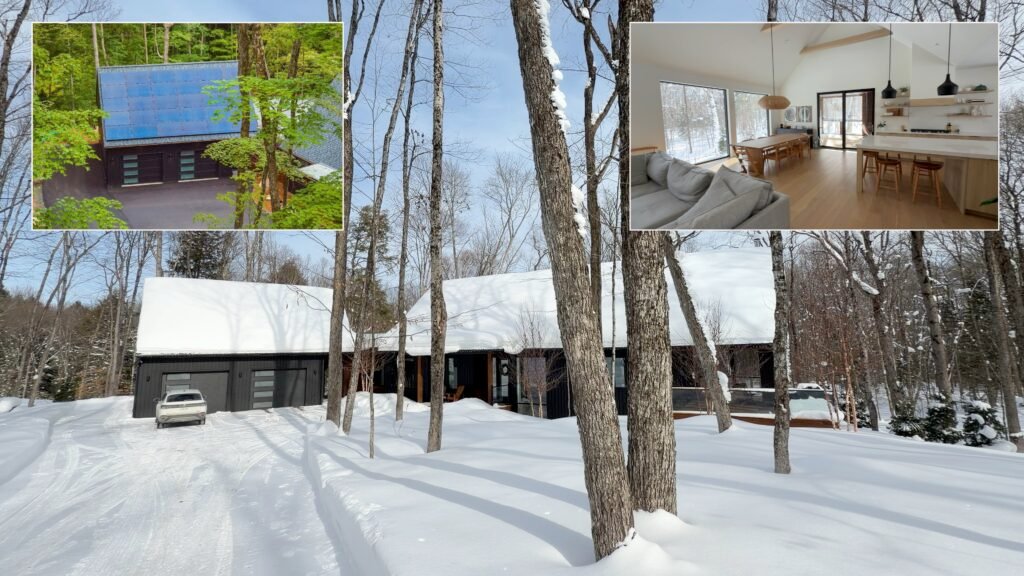
These days Stratton builds award-winning sustainable home designs that focus on bringing the “outside-in.” Homes often have large windows blending the inside of the homes into the beautiful Muskoka landscapes.
It might seem ironic, but Kyle Newman has spent many years perfecting his formula for building super energy-efficient net zero ready homes so that it’s “attainable,” a code word for affordable. This is the ironic part since the homes we are talking about can sell for millions of dollars. But everyone likes to get good value.
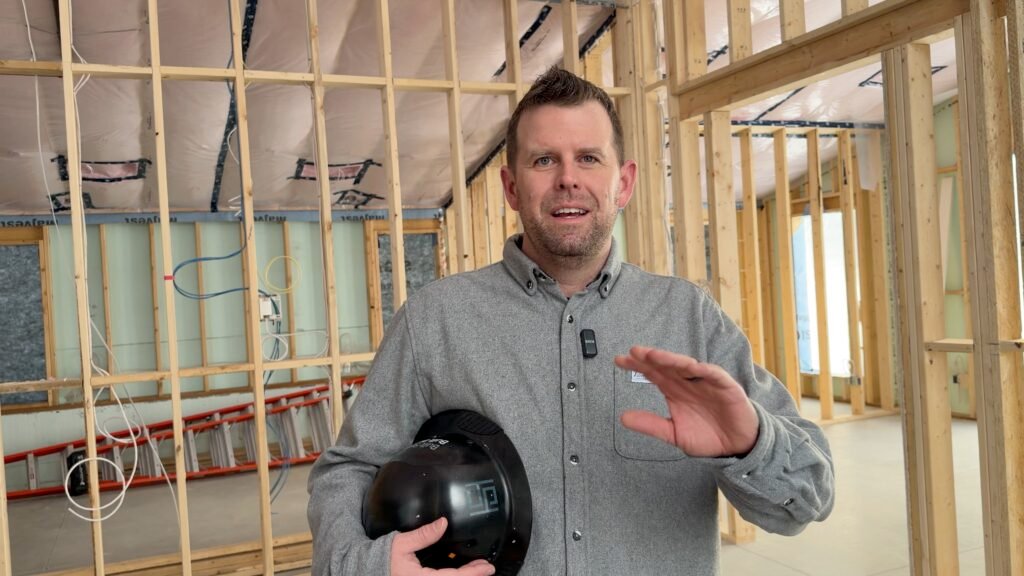
Newman was determined to build the most energy-efficient homes he could, but he also wanted to remain competitive in the Muskoka Region housing market.
What we’ve learned in our ten years of covering net zero pioneers is that it takes two traits to be successful as an innovator: first, the most successful pioneers are mission-driven, focused on solutions instead of challenges, and second, they are also good business people, always with a pragmatic eye on the bottom line.
Kyle Newman’s mission began early in life.
“I moved to Huntsville during high school; I was exposed to a lot of outdoor programs and the natural environment, and that kind of ignited something more inside of me – a passion for the environment,” says Newman.
“I had the opportunity to be a part of an environmental challenge program at our high school, and I can identify the exact point when my career path was laid out for me,” says Newman.
A speaker came to their class, and “he was talking about how we had solved the hole in the ozone and how we had solved acid rain,” says Newman.
Then he started talking about the coming issue of “global warming.”
Kyle learned that greenhouse gas emissions can be broken down into three broad categories: industry, transportation, and buildings, each responsible for about one-third of emissions.
And he decided: “That’s something that I can go after and make a difference.”
In many conversations around the dinner table, his father talked about alternative forms of construction such as straw bale homes and numerous others. We have done many other stories on straw bale homes and passive house homes.
But Kyle knew instinctively if a solution was going to change the world, it had to be “scalable and adoptable.”
If we’re going to make a difference with housing, it must be energy efficient and sustainable without sacrifice,” he decided.
He wanted it to be so easy that the homeowner wouldn’t even realize that was the goal.
Forget about the Labels – Just Build Good Homes
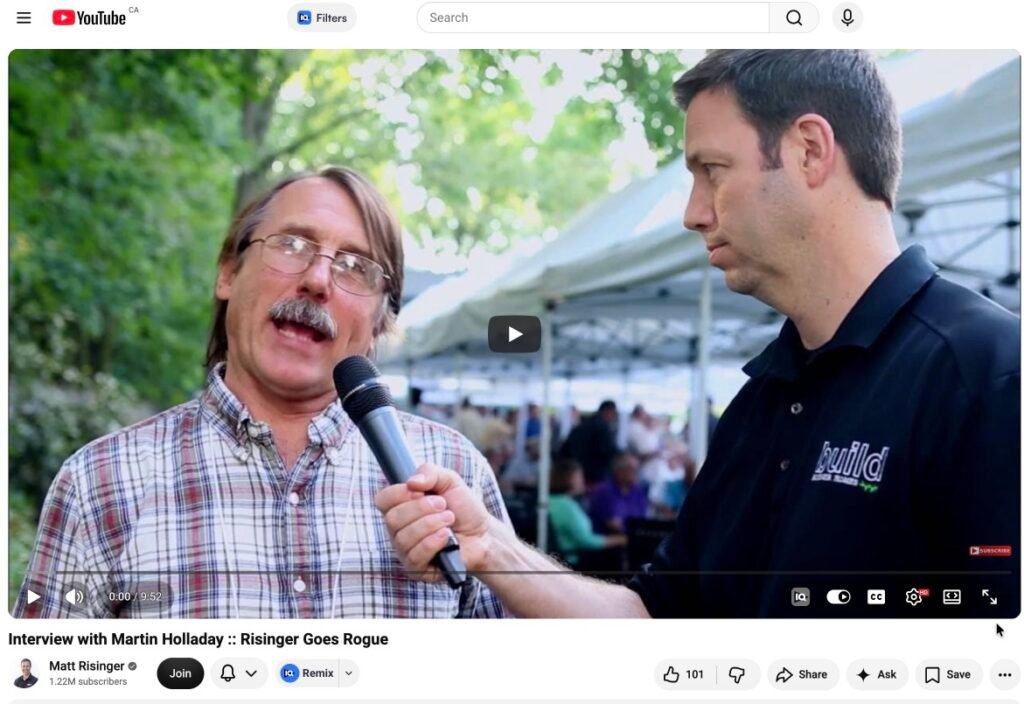
Then Kyle stumbled onto Martin Holladay, an energy efficiency guru from the US who was the founder of Green Building Advisor and the author behind the blog “Musings of an Energy Nerd.”
For his first build, Kyle wanted to build as energy-efficient as he could, but he says he “didn’t have the budget to try and chase passive [house] R2000.”
Holladay was the champion of the “Pretty Good House Movement,” which instead of focusing on strict and expensive passive house standards, focused on common sense, cost-effective energy efficiency solutions.
This resonated with Newman.
“We built it [their first home] on a shoestring budget.”
But even so, he used triple-glazed windows, a heat recovery ventilator, continuous insulation with air sealing, and he started emailing Holladay for ideas about how to insulate and heat the home.
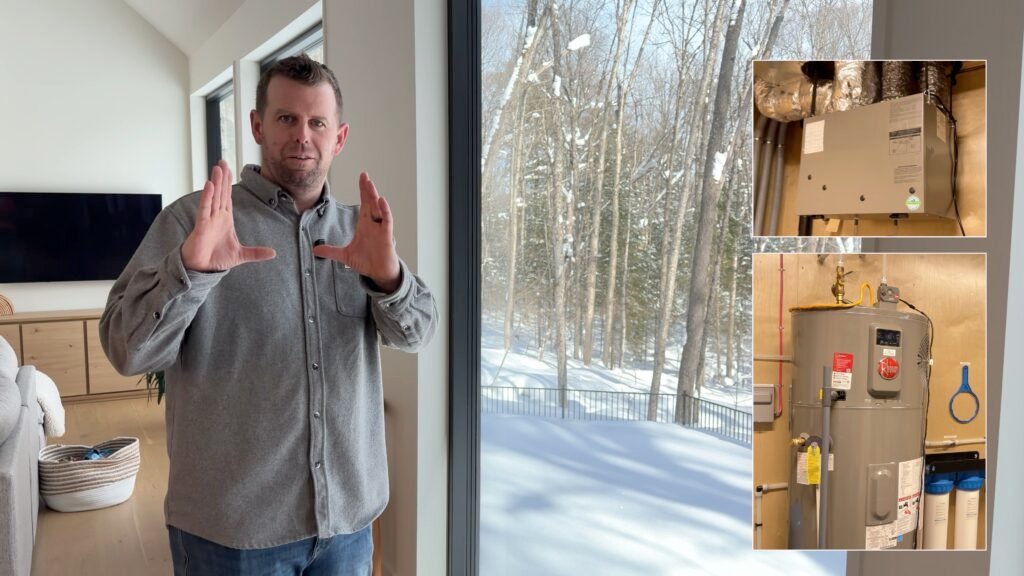
Don’t get him wrong, Newman loves the idea of passive house and even straw bale alternative homes, but he remained laser focused on the best bang for the buck building an energy-efficient home.
He even started putting four inches of rigid insulation beneath the basement slab, and just as he was starting his new home building company, Stratton Homes, Kyle’s concept of the “pretty good” super energy efficient home was taking shape.
To be clear, Holladay and Newman’s concept of the “Pretty Good Home” is not about building a barely acceptable home; it’s about building the best home humanly possible in a cost-effective way.
So Newman decided to go back to the energy-efficient building experts he’s consulted before at Building Knowledge Canada.
Getting to Net Zero Ready Minimum Standard
And lo and behold, he then realized the formula he had developed organically, which was guided by affordability and cost-effectiveness, was “only a few check marks away from being net zero ready.”
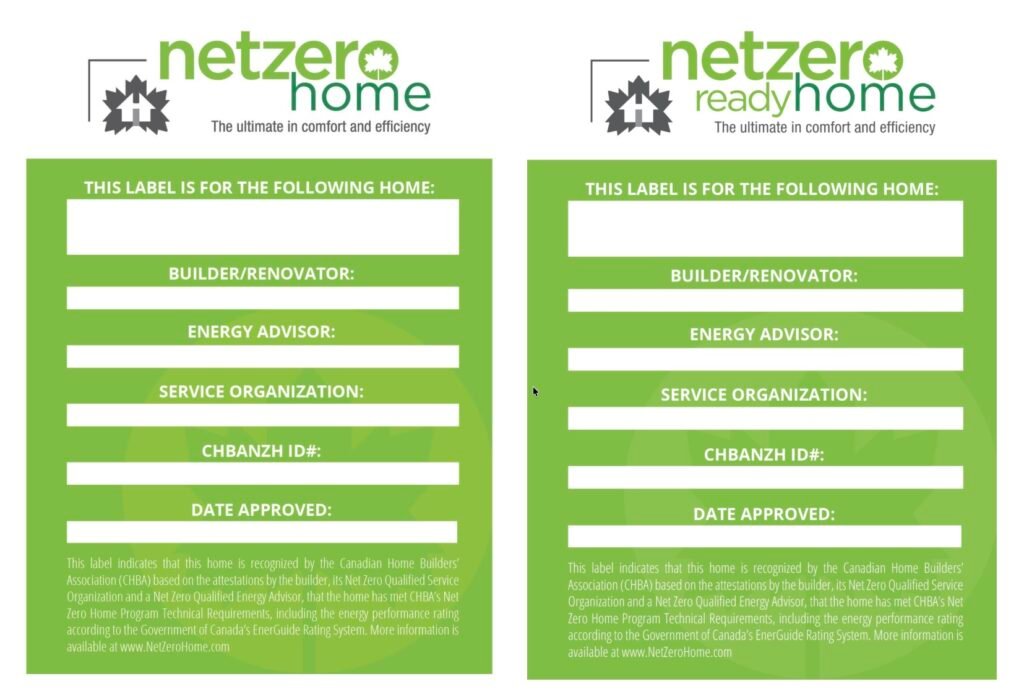
The Canadian Home Builders Association had developed their Net Zero Home Labelling program, but it was based on performance and not highly prescriptive check boxes.
“It struck a balance between cost efficiency and energy efficiency, and that was when the light bulb kind of clicked,” says Newman.
Kyle Newman now knew he could build the net zero homes he always wanted to build and the costs were in line with the business goals of his young company.
And now the labelling system brought credibility to their work and tied Newman into an entire network of experts and other builders pursuing the same goals.
By adding the net zero label to their homes, consumers could be confident that they were getting an amazing home.
Today, just a few short years later: “We treat net zero ready as our minimum standard,” says Newman.
And this is something we have heard from other builders. Once you are confident in your formula for net zero and you commit to it as your one standard, it creates efficiencies and “takes the guesswork out of it for our team and our trades and our vendors.”
The Cost-Benefits of Net Zero
Ever since the early days of net zero, there were builders concerned about the cost, and some even said it would price them out of their markets and harm the home building industry.
But thanks to the careful and budget-focused approach of Kyle Newman and a host of other builders in the CHBA net zero program, the economics of net zero are looking better every day.
Newman says if we consider we’re adding $30,000 – $40,000 in upgrades to get to net zero to a mortgage, the added payments are lower than the utility savings.
“So there’s a direct cost benefit right from day one,” says Newman. One of his peers in the net zero program at the CHBA is Chris Williams at Avalon Master Builder in Calgary, Alberta.
He’s coined a phrase for this; he calls it “Net Zero for Zero Extra Dollars.”

We talked to Kristin Newman, who is responsible for design and marketing at Stratton Homes, and she says people respond to the net zero label differently.
Early on, she realized there was a perception that the net zero label meant luxury to consumers, meaning they thought it was expensive.
“We’re trying to explain that it’s not necessarily luxury, it’s just building to a better standard,” she says.
The market and consumers are still catching on to the benefits of net zero, so like many other builders, Stratton focuses on marketing the benefits of these amazing homes such as comfort, quality and durability, instead of focusing exclusively on the term “net zero.”
But when I asked her what customers appreciate most about their homes, she says: “I would say cost savings is probably number one that they appreciate the most.”
“People are coming back to us and saying how they are seeing immediate cost savings…as soon as they move in.”
Make no mistake, these are beautiful homes inside and out. But Kyle’s journey to net zero is now complete. Thanks to his relentless pursuit of the most cost-effective solutions, every home Stratton Homes builds is net zero ready or net zero. The only difference is the net zero homes have enough solar on them to provide all of the energy the home needs on a net annual basis.
This is Chasing Net Zero. Next time we head back to Cottage Country to take a look at one of these amazing homes and get Kyle to share the Stratton secrets for getting to net zero ready so affordably.
Related Episode – Chasing Net Zero
Steve Rolston of Land Ark Homes built Watercolour Westport, an entire net zero neighbourhood set in beautiful and walkable Westport, Ontario.
Chasing Net Zero Playlist – Subscribe today!
Subscribe to our Chasing Net Zero series and meet and learn about some of the best net zero builders in Canada. We’re travelling across the country to meet and learn the secrets of Canada’s net zero pioneers.
